When people talk about gut health, probiotics usually get all the attention. But there is another side of the story that matters just as much: prebiotic foods.
Probiotics add beneficial bacteria. Prebiotics feed the good bacteria you already have. That makes them one of the simplest, most realistic ways to support digestion without chasing expensive powders or trendy detoxes.
Most people do not need a dramatic cleanse. They need more fiber-rich, gut-friendly foods in everyday meals. That is exactly why this list is so useful. These foods are not exotic. They are normal ingredients you can bring into breakfast, lunch, dinner, and even snacks.
What Are Prebiotic Foods, Really?
Prebiotic foods contain certain types of fiber and plant compounds that nourish helpful gut bacteria. When those bacteria are well fed, they help produce beneficial substances that support the gut lining, digestion, bowel regularity, and overall gut balance.
That does not mean you need to eat all of these foods at once. In fact, a gentle, regular approach usually works better. A little more variety, a little more fiber, and a little more consistency can go a long way.
1. Garlic
Garlic is one of the most practical prebiotic foods for gut health because it is already part of so many savory meals. It contains compounds that help nourish beneficial gut bacteria, and it also makes healthy food taste much better.
How to use it
Add garlic to soups, stir-fries, lentils, roasted vegetables, beans, and dressings. Even a little garlic can improve both flavor and meal quality.
Why it helps
Garlic supports the gut by feeding helpful bacteria rather than simply acting like a trendy “cleanse” ingredient. That makes it useful for long-term eating, not quick fixes.
2. Onion
Onion is another everyday food that quietly supports the gut. It is easy to cook with, easy to combine with proteins and vegetables, and one of the simplest ways to add more prebiotic support to meals.
How to use it
Use onion as a base for soups, curries, egg dishes, sautés, grain bowls, and roasted vegetable trays.
Why it helps
Because onion is used so often in real cooking, it is one of the easiest foods for building gut-supportive habits without changing your whole lifestyle.
3. Leeks
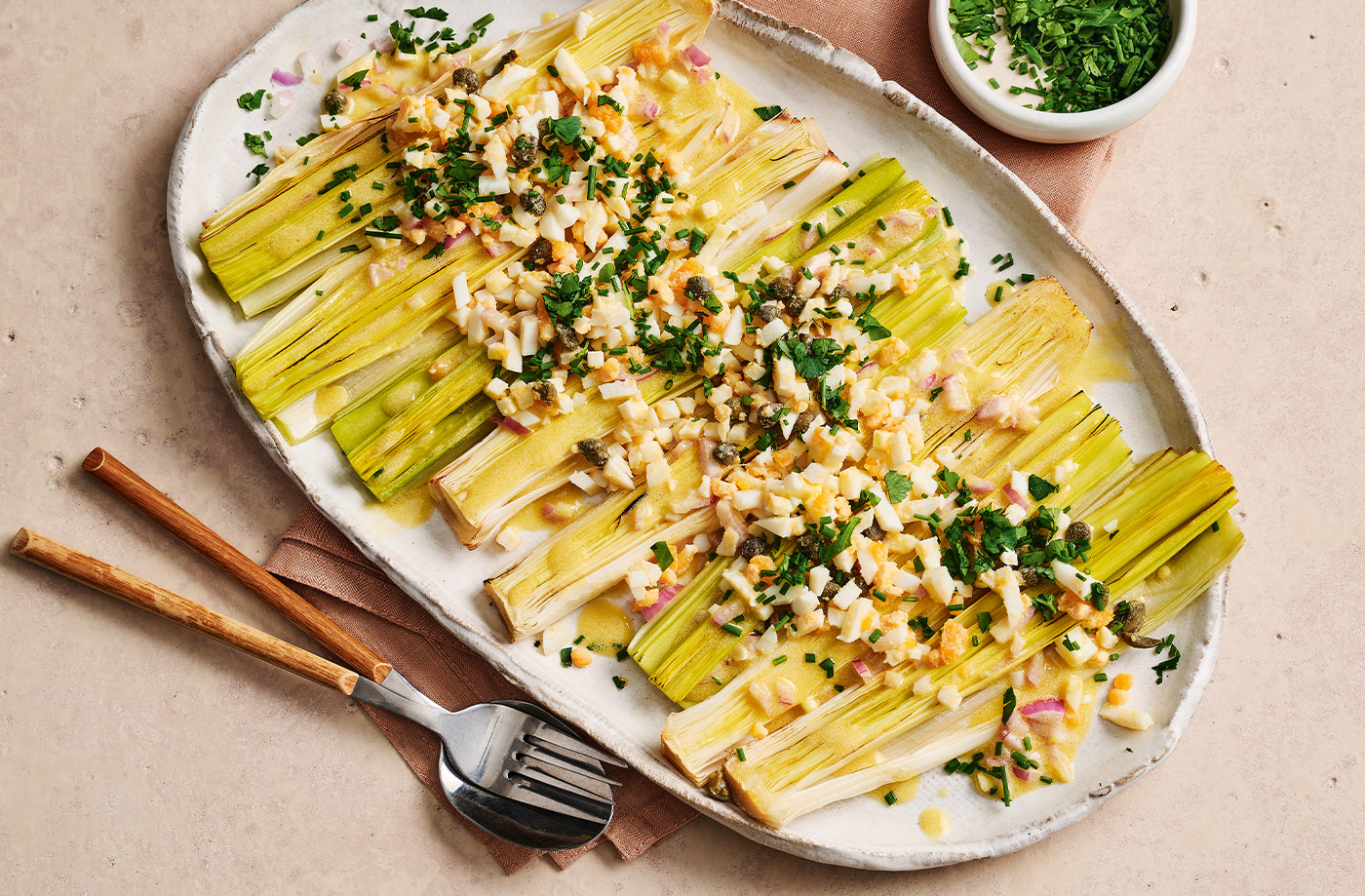
Leeks are often overlooked, but they belong in the same helpful family as garlic and onion. They have a milder flavor and work beautifully in warm, simple meals.
How to use it
Slice leeks into soups, frittatas, pasta dishes, rice bowls, or sauté them gently with olive oil as a side.
Why it helps
Leeks are a softer, gentler way to add more prebiotic plant compounds, especially for people who want variety beyond basic onion and garlic.
4. Asparagus
Asparagus is one of the best vegetables for a more gut-friendly plate. It feels light, fresh, and easy to pair with proteins and grains.
How to use it
Roast it, steam it, grill it, or slice it into salads and pasta dishes. It pairs especially well with eggs, salmon, chicken, and quinoa.
Why it helps
Asparagus adds both fiber and useful plant compounds, which helps support a healthier gut environment while also making meals feel more complete.
5. Oats
Oats are one of the most practical prebiotic foods because they are affordable, familiar, and easy to eat regularly. They also support fullness, which makes them helpful beyond digestion alone.
How to use it
Make oatmeal, overnight oats, baked oats, or add oats into smoothies and yogurt bowls.
Why it helps
Oats feed beneficial gut bacteria while also providing slow-digesting carbohydrates that support steadier energy. That is a big reason they feel more satisfying than sugary breakfast foods.
6. Apples
Apples are one of the easiest fruits to use for gut support. They are portable, affordable, and naturally rich in fiber, especially when eaten with the skin.
How to use it
Eat apples as a snack, slice them into oatmeal, pair them with yogurt, or enjoy them with nut butter for better fullness.
Why it helps
Apples help nourish the gut while also making snacks more balanced and more filling than ultra-processed sweet foods.
7. Lentils
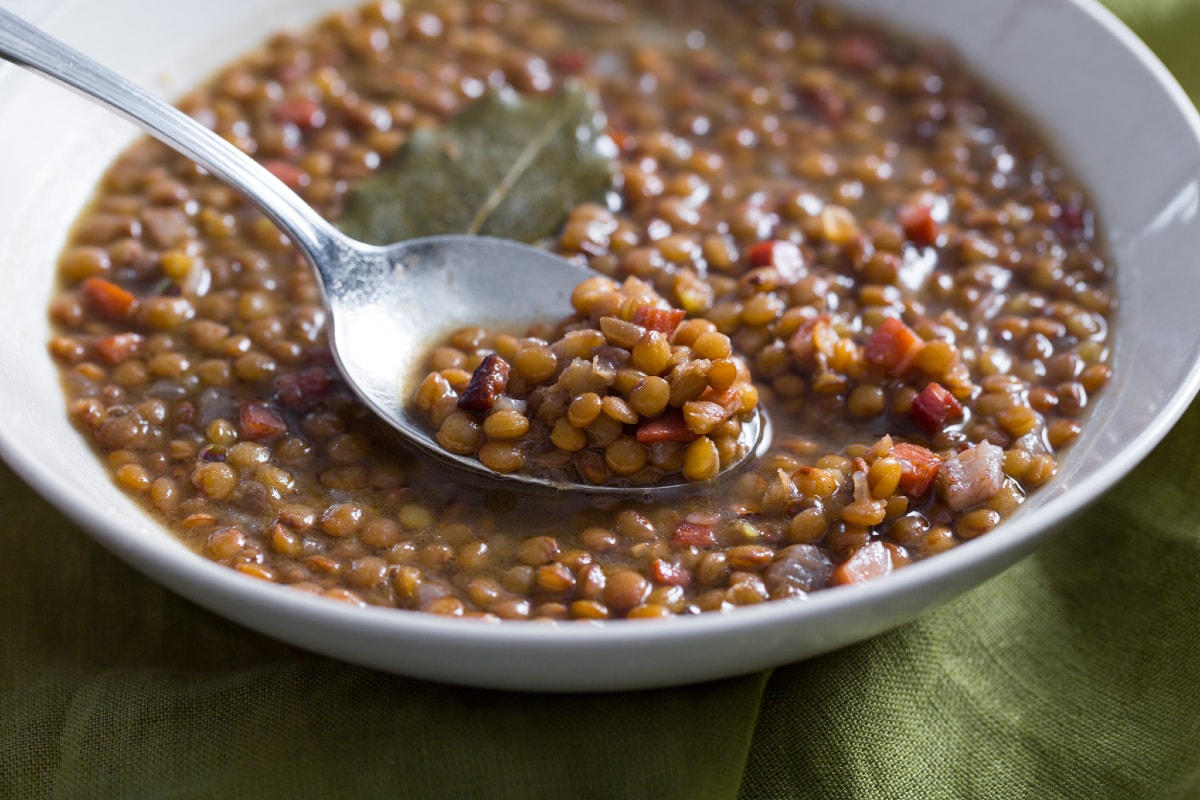
Lentils are one of the strongest foods on this list because they bring prebiotic fiber, plant protein, and slow carbs in one package. They are one of the best ingredients for building stronger, more satisfying meals.
How to use it
Use lentils in soups, curries, stews, salads, and grain bowls. They also pair well with spinach, tomatoes, onions, and garlic.
Why it helps
Lentils support gut bacteria while also improving fullness and meal structure. That makes them one of the most useful foods here for both digestion and appetite support.
8. Chickpeas
Chickpeas are another fiber-rich legume that fits beautifully into a gut-friendly nutrition routine. They are versatile, budget-friendly, and easy to prepare in many ways.
How to use it
Add chickpeas to salads, roast them for snacks, blend them into dips, or use them in bowls with vegetables and olive oil.
Why it helps
Chickpeas help feed beneficial gut bacteria and make meals feel more grounded and satisfying, especially when paired with vegetables and whole-food carbs.
9. Jerusalem Artichoke
Jerusalem artichoke is one of the most famous prebiotic foods, even though it is less common in many kitchens. It is especially known for its inulin content, a type of prebiotic fiber.
How to use it
Roast it, mash it, or add it to soups and warm vegetable dishes. Start with a smaller amount if you are new to it.
Why it helps
It is a concentrated prebiotic food, which is exactly why some people notice digestive effects quickly. It can be very useful, but it is often best introduced gradually.
How to Eat Prebiotic Foods Without Overdoing It
This is the part many people miss. More is not always better all at once.
If your usual diet is low in fiber, suddenly eating large amounts of garlic, beans, oats, and Jerusalem artichoke in one day may feel uncomfortable. A better approach is to build slowly.
Try this simple rhythm
Add one prebiotic food at breakfast, one at lunch, and one at dinner.
For example:
- Breakfast: oats with apples
- Lunch: lentil bowl with onion
- Dinner: roasted asparagus with garlic and chickpeas
That is enough to start making your meals more gut-supportive without overwhelming your digestion.
When Will You Notice a Difference?
Some people notice improvements in regularity and fullness within a few days. For others, it may take 1 to 2 weeks of more consistent fiber intake.
The key is gradual change, enough water, and realistic expectations. Prebiotic foods are supportive, not magical. They work best as part of a steady eating pattern.
Simple Safety Note
If you have IBS, a very sensitive stomach, or digestive symptoms like bloating and cramping, some prebiotic foods may need to be introduced more carefully. Garlic, onion, chickpeas, lentils, and Jerusalem artichoke can be more intense for some people.
Final Takeaway
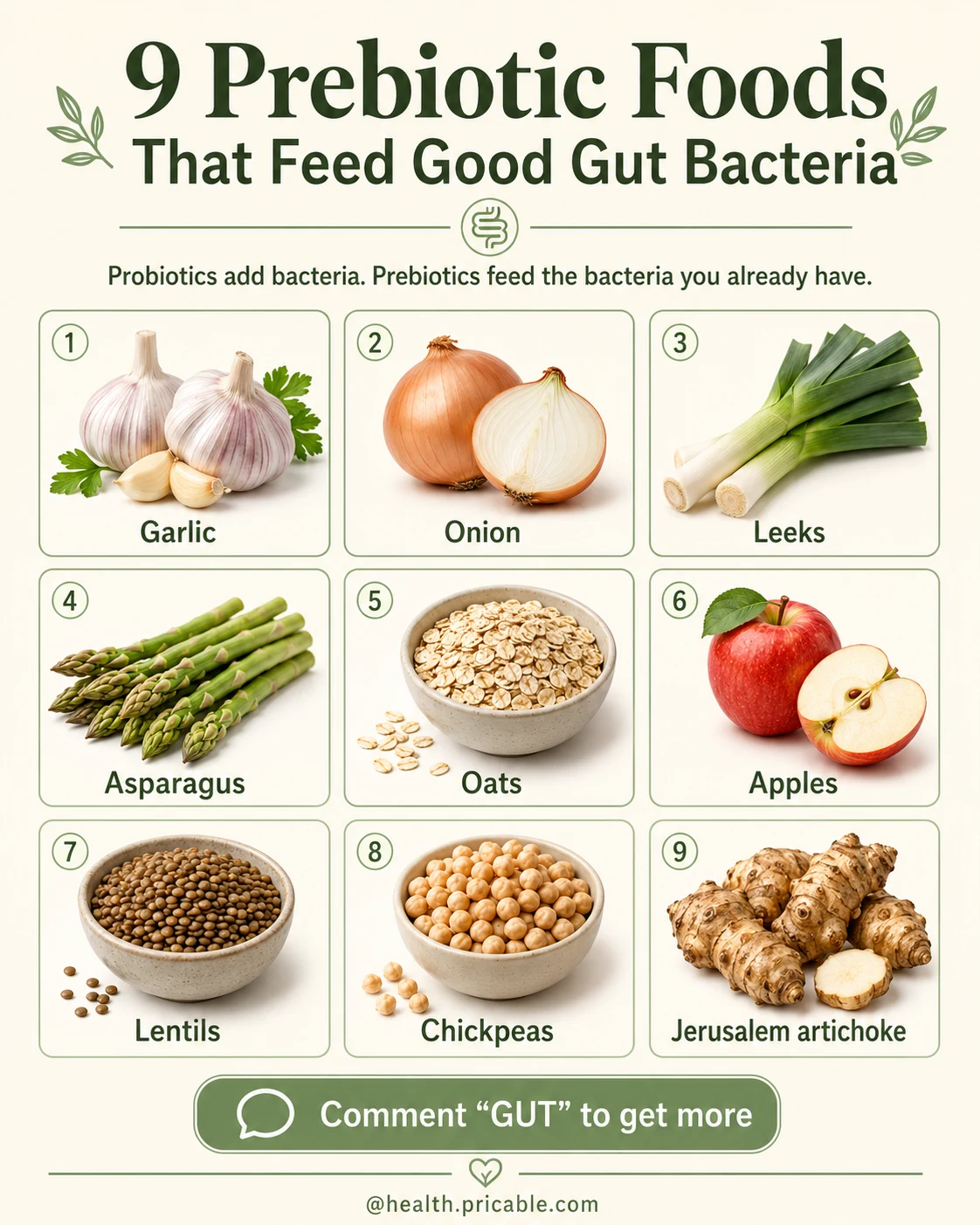
The best prebiotic foods that feed good gut bacteria are often the simplest ones already within reach: Garlic, Onion, Leeks, Asparagus, Oats, Apples, Lentils, Chickpeas, and Jerusalem artichoke.
You do not need a detox. You need a diet that gives your gut bacteria something useful to work with. When you build meals around these foods more often, gut health becomes much more practical and much less complicated.
Related nutrition note: prebiotic foods support gut health by feeding beneficial bacteria already living in the digestive tract, which can help support regularity, better fiber intake, and a healthier overall eating pattern.