June can make some gardeners feel late. Beds are already filling, the season looks underway, and it is easy to assume the best planting window has passed. In reality, June is often one of the smartest times to sow many warm-season crops directly into the garden. The soil is warmer, germination is faster, and young plants often catch up quickly because they are not fighting cold, wet spring ground.
That is the hidden advantage of June sowing. Instead of coaxing seeds through chilly delays, you are planting into conditions that actually support momentum. For many vegetables, herbs, and flowering companions, that means quicker sprouting, stronger roots, and more confident growth.
If you want a garden that stays productive deep into summer and well into early fall, these nine direct-sow crops deserve a place in your plan.
Why direct sowing in June works so well
June planting works because warm soil changes everything. Seeds that may have sulked in spring often germinate quickly once nighttime temperatures rise and the topsoil holds more consistent warmth.
Direct sowing in June can help you:
- avoid cold-soil rot and weak germination
- grow warm-season crops more quickly
- fill gaps left by failed spring plantings
- create a second wave of harvests
- extend production without complicated scheduling
This is especially useful for gardeners in the United States, where June conditions vary by USDA zone but often bring the dependable warmth many seeds have been waiting for.
Before you sow: read your climate, not just the calendar
June is not the same everywhere. That matters.
Zones 3–5
June is often a major planting month, especially for warm-season crops that could not safely go out earlier. Direct sowing can be ideal once the soil fully warms.
Zones 6–8
This is often peak opportunity. Seeds sprout quickly, crops establish fast, and you still have a strong season ahead for beans, cucumbers, squash, basil, and sunflowers.
Zones 9–11
June sowing still works, but heat management becomes part of the strategy. Watering, mulch, and timing matter more. Fast growers still do well, but the gardener needs to stay ahead of heat stress.
A simple rule helps: if the soil is warm, loose, and evenly moist, many summer crops will move much faster than you expect.
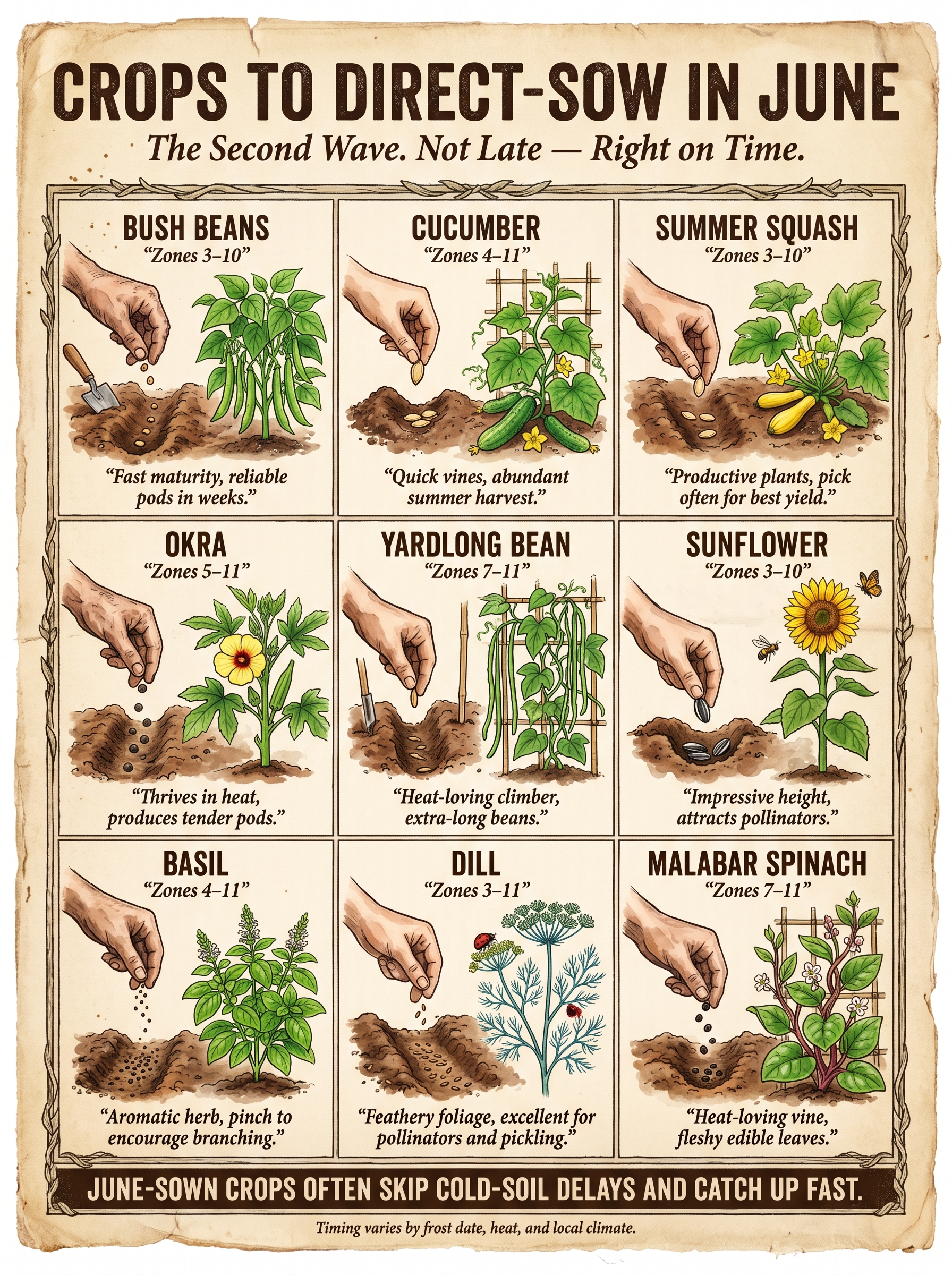
1. Bush beans: one of the best June crops for fast results
Bush beans are nearly made for June sowing. They germinate quickly in warm soil, grow fast, and reward you with a harvest in a relatively short time.
Plant character
Bush beans are compact, productive, and easy to manage. They do not need the tall trellising of pole beans, which makes them ideal for gardeners who want reliable food without extra structure.
Why they shine in June
Warm soil gives beans a cleaner, stronger start. Instead of sitting in cold ground, they come up with energy and usually begin producing in a matter of weeks.
Practical care tip
Sow in short waves every 10 to 14 days rather than planting all at once. This gives you a longer harvest window and helps avoid a sudden flood of beans followed by nothing.
Best USDA range
Bush beans are widely useful across Zones 3–10 as a warm-season annual crop.
![How to Grow Green Beans Step-by-Step [Full Guide]](https://myplantin.com/_next/image?url=https%3A%2F%2Fstrapi.myplantin.com%2Fpicture_of_green_bean_vine.webp%3Fheight%3D1414%26width%3D2119&w=1920&q=75)
2. Cucumber: fast vines and strong summer momentum
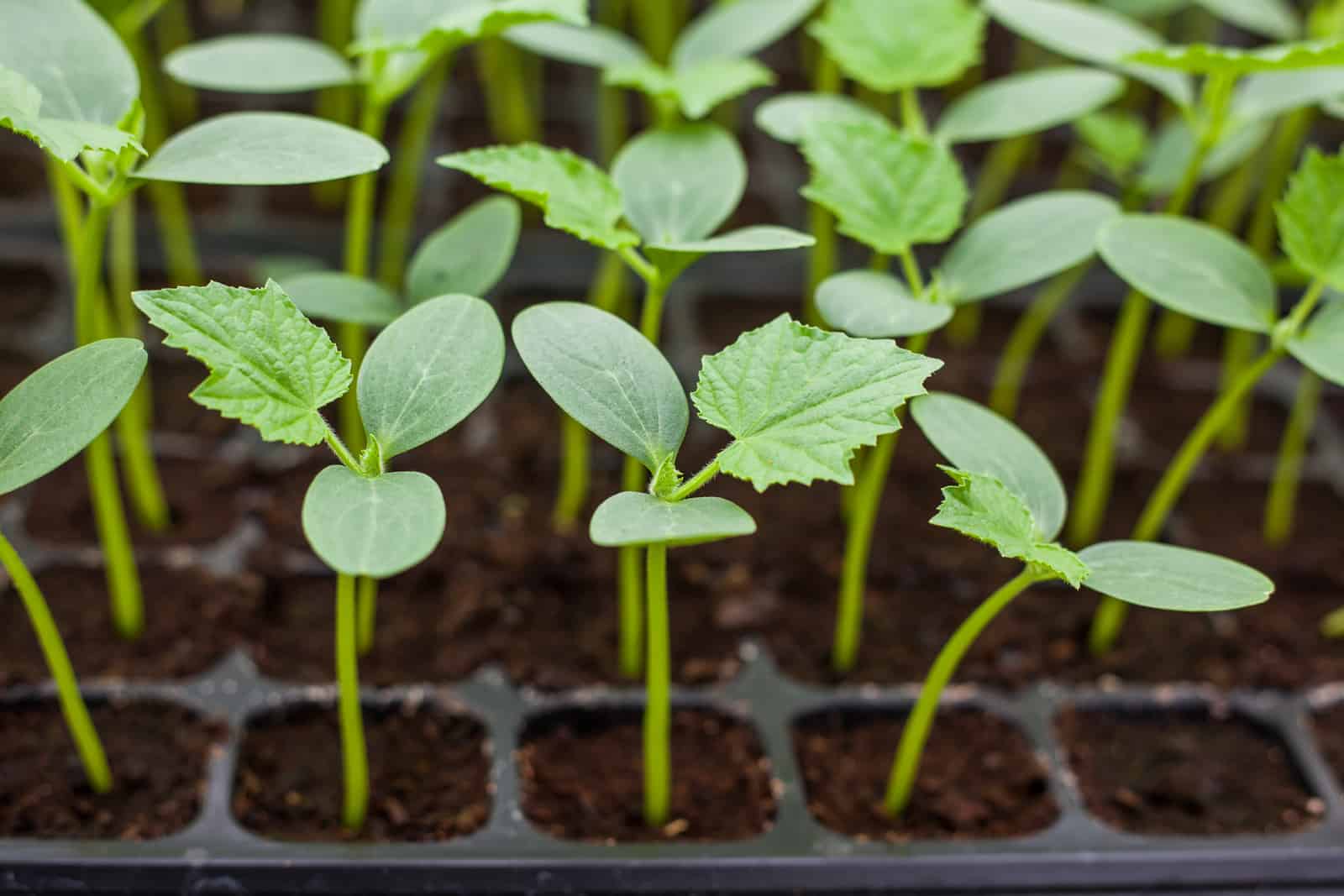
Cucumbers are one of the clearest examples of a plant that prefers real warmth. Once the soil heats up, they often germinate and climb with surprising speed.
Plant character
Cucumbers are vigorous, thirsty, and highly productive when given sun, steady moisture, and room to run or climb.
Why they shine in June
This crop dislikes cold starts. June sowing often produces healthier, faster-growing vines than earlier direct seeding in unsettled spring weather.
Practical care tip
Trellis cucumbers whenever possible. It saves space, improves airflow, reduces disease pressure, and makes harvest easier. Water deeply and evenly to keep fruit quality high.
Best USDA range
Cucumbers perform well in Zones 4–11, with timing adjusted for local heat and frost patterns.
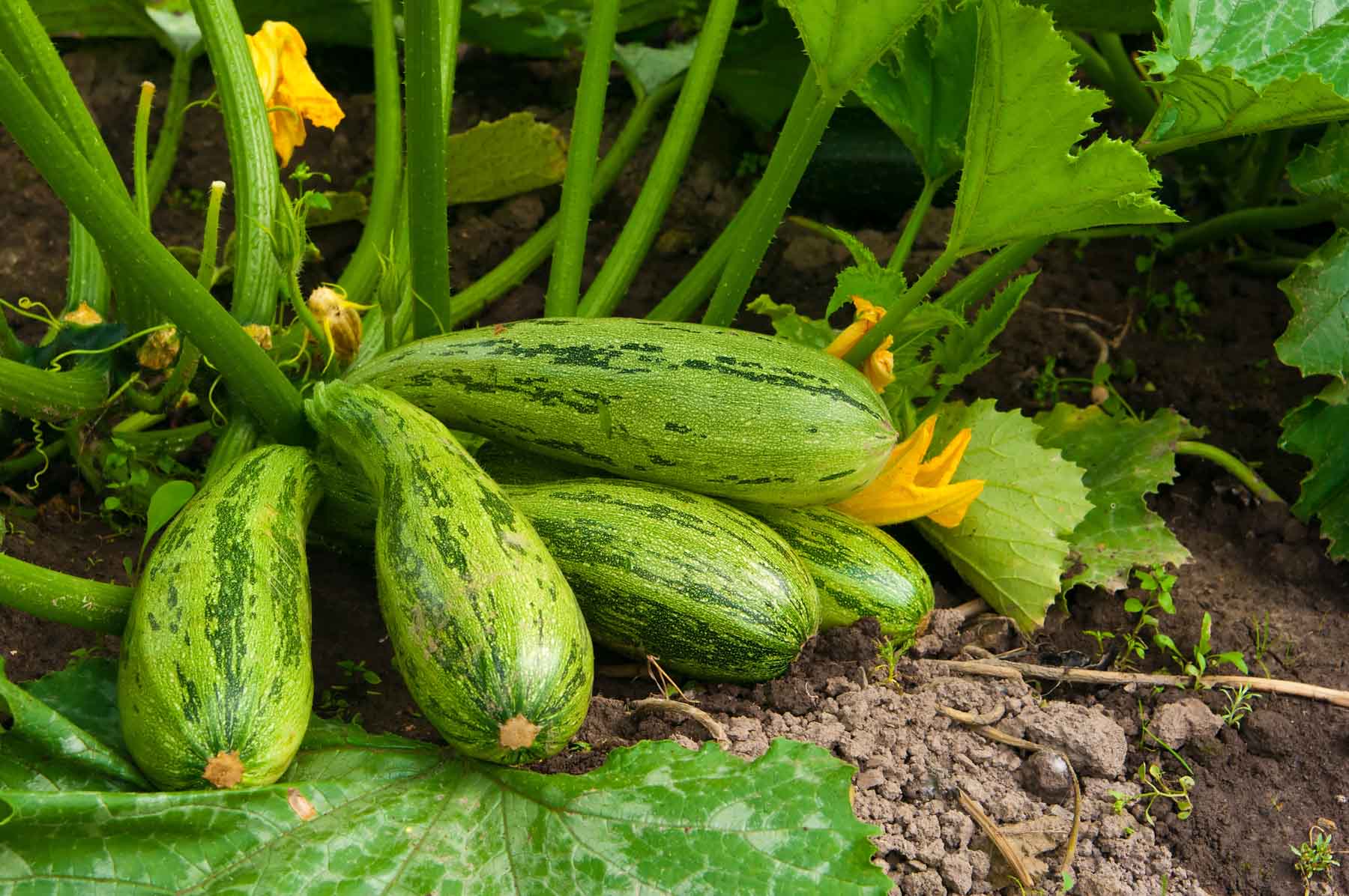
3. Summer squash: a quick producer that loves warm ground
Summer squash is one of the most useful June direct-sow crops because it grows fast and can become very productive in a short time.
Plant character
Broad leaves, fast growth, and regular harvests define this plant. It wants warmth, sunlight, and enough room for airflow.
Why it shines in June
Warm soil helps summer squash establish quickly and move into flower and fruit production without the hesitation often seen in colder conditions.
Practical care tip
Pick often. Frequent harvest keeps the plant producing and prevents oversized fruit from slowing it down. Give it generous spacing, because crowded squash invites stress and mildew.
Best USDA range
Summer squash fits well across Zones 3–10 as a warm-season crop.
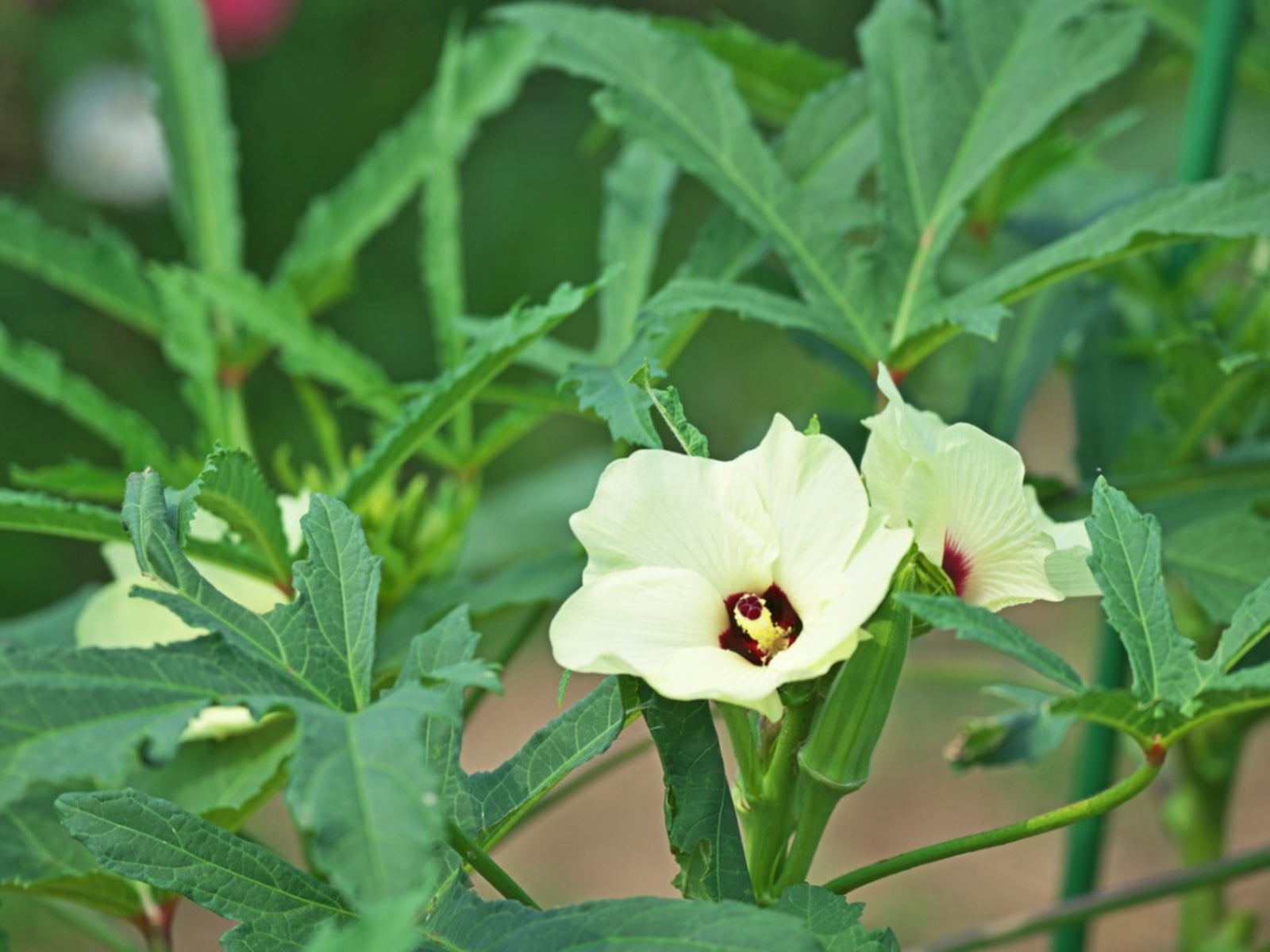
4. Okra: one of the smartest crops for real summer heat
Okra is not a crop that merely tolerates heat. It prefers it. That makes June an excellent direct-sow moment, especially in warmer regions.
Plant character
Okra is upright, strong-rooted, heat-loving, and highly productive once it settles in.
Why it shines in June
It often struggles to impress in cool spring soil. In June, it finally gets the warmth it wants and can begin growing with confidence.
Practical care tip
Harvest pods while they are still tender. Waiting too long makes them tough and slows steady production. In cooler zones, choose a sunny site that warms early and stays hot.
Best USDA range
Okra is especially strong in Zones 5–11.
5. Yardlong bean: a heat-loving climber worth trying
Yardlong bean is a wonderful crop for gardeners who want something vigorous, unusual, and highly productive in hot conditions.
Plant character
This is a climbing bean with long, slender pods and a strong love of heat. It is more about summer intensity than cool-season patience.
Why it shines in June
This crop wants warmth from the start. June direct sowing gives it the conditions it needs to climb quickly and produce well.
Practical care tip
Install support before sowing. Yardlong beans move fast once established, and they are much easier to manage when the trellis is already in place.
Best USDA range
Best suited to Zones 7–11, where summer heat arrives reliably.

6. Sunflower: beauty, pollinators, and useful structure
Sunflowers are not only ornamental. They also help create habitat, visual height, and beneficial insect activity in the garden.
Plant character
Tall, cheerful, sun-loving, and often fast-growing, sunflowers bring energy and structure to summer beds.
Why they shine in June
They germinate quickly in warm soil and often establish better than they do in cool spring conditions.
Practical care tip
Choose the sunflower variety based on your goal. Tall types create back-of-bed drama and pollinator support. Smaller branching types fit mixed vegetable gardens and cutting plots better.
Best USDA range
Sunflowers grow well in Zones 3–10 as warm-season annuals.

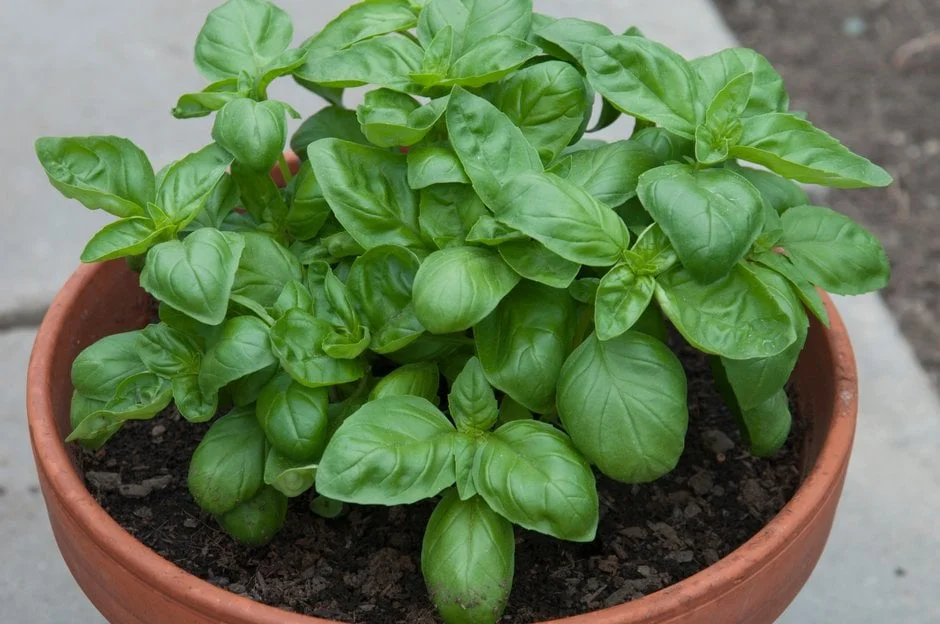
7. Basil: the herb that really wants summer
Basil is one of the best herbs to direct sow once the weather is genuinely warm. It does not enjoy chilly nights and performs much better when summer has truly arrived.
Plant character
Fragrant, leafy, fast-growing, and highly responsive to regular harvesting.
Why it shines in June
June lets basil skip the cold hesitation and move straight into active growth.
Practical care tip
Pinch the top early to encourage branching. That simple habit gives you fuller plants and bigger harvests. Keep the soil evenly moist, especially when the plants are still young.
Best USDA range
Basil is a warm-season annual grown successfully across Zones 4–11 depending on sowing time.
8. Dill: fast, feathery, and excellent for pollinators
Dill is useful in the kitchen, beautiful in the garden, and helpful for beneficial insects. It is one of the easiest direct-sow herbs when handled simply.
Plant character
Feathery foliage, upright growth, aromatic leaves, and umbels that attract pollinators.
Why it shines in June
It prefers being sown where it will grow and often benefits from warm soil that gets it established quickly.
Practical care tip
Do not overcomplicate dill. Sow directly, thin lightly, and let some plants flower if you want pollinators and future self-seeding. It is excellent for succession sowing if you want fresh foliage over a longer period.
Best USDA range
Dill is widely adaptable across Zones 3–11 as an annual herb.

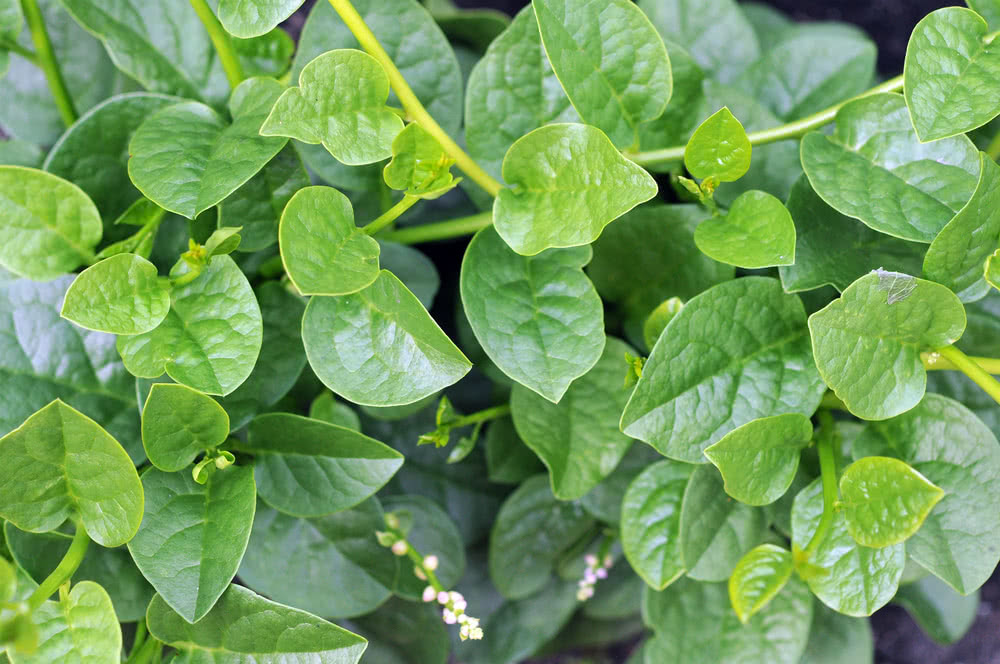
9. Malabar spinach: a smart answer to summer heat
Malabar spinach is not true spinach, but it may be the better choice once temperatures climb. Where regular spinach bolts, this plant begins to shine.
Plant character
A heat-loving vine with fleshy edible leaves, attractive stems, and strong summer growth.
Why it shines in June
It enjoys warmth and often performs best when the garden has fully shifted into summer conditions.
Practical care tip
Give it support early. It vines rather than forming a low rosette, and it becomes much easier to harvest when trained upward. Pick leaves regularly to keep it productive and tender.
Best USDA range
Especially useful in Zones 7–11, though it can be grown as a summer annual elsewhere once warm conditions arrive.
How to get better germination from June sowing
Warm soil helps, but technique still matters.
Water the bed before sowing if the soil is dry
Seeds need moisture contact right away. Dry dust around seed rarely produces a strong start.
Sow a little deeper in hot, drying conditions
Not too deep, but enough that the seed sits in stable moisture rather than on a baking surface.
Mulch lightly after seedlings establish
Do not bury seeds under thick mulch. Let them emerge first, then use a light layer to hold moisture and cool the soil.
Check daily during germination
June soil can dry surprisingly fast, especially in raised beds and sandy ground.
Common mistakes with June direct sowing
Thinking June is too late
For many warm-season crops, it is not late at all. It is excellent timing.
Underestimating water needs during germination
Warm soil speeds sprouting, but it also dries more quickly.
Crowding fast growers
Beans, cucumbers, squash, and sunflowers all need airflow and root room.
Forgetting succession planting
June is not only for a single sowing. It is a chance to build a second wave of production.
Final thoughts: June is not the end of planting, it is the beginning of speed
Bush beans, cucumbers, summer squash, okra, yardlong beans, sunflowers, basil, dill, and Malabar spinach all prove the same point: warm soil changes the pace of the garden. June sowing can be one of the most productive moves you make all season.
Instead of forcing seeds through cold delays, you are planting into momentum. And once you learn to use that momentum well, your garden stops feeling behind. It starts feeling right on time.