Some herbs do not look impressive at first.
They grow close to the ground, blend into the background, and seem more like weeds than remedies. But mallow, especially the small round-leaved kind often called common mallow or a related Malva species, has been used for a very long time as a soft, soothing herb for irritated tissues. Plant references describe Malva neglecta as a plant whose leaves and flowers have demulcent properties, meaning they become soft and slippery in water and are traditionally used for respiratory, digestive, and urinary irritation.
That is what makes this remedy interesting.
It is not a dramatic stimulant herb. It is not the kind of plant people take for a big jolt. Mallow is more of a comfort herb. When the throat feels rough, the chest feels dry, or the airways feel irritated, this is the sort of plant people have traditionally turned into a mild tea or decoction because it feels gentle rather than aggressive. A recent review also notes that Malva neglecta has been used traditionally for inflammation and other complaints, while newer lab research continues to explore its antioxidant and antimicrobial potential.
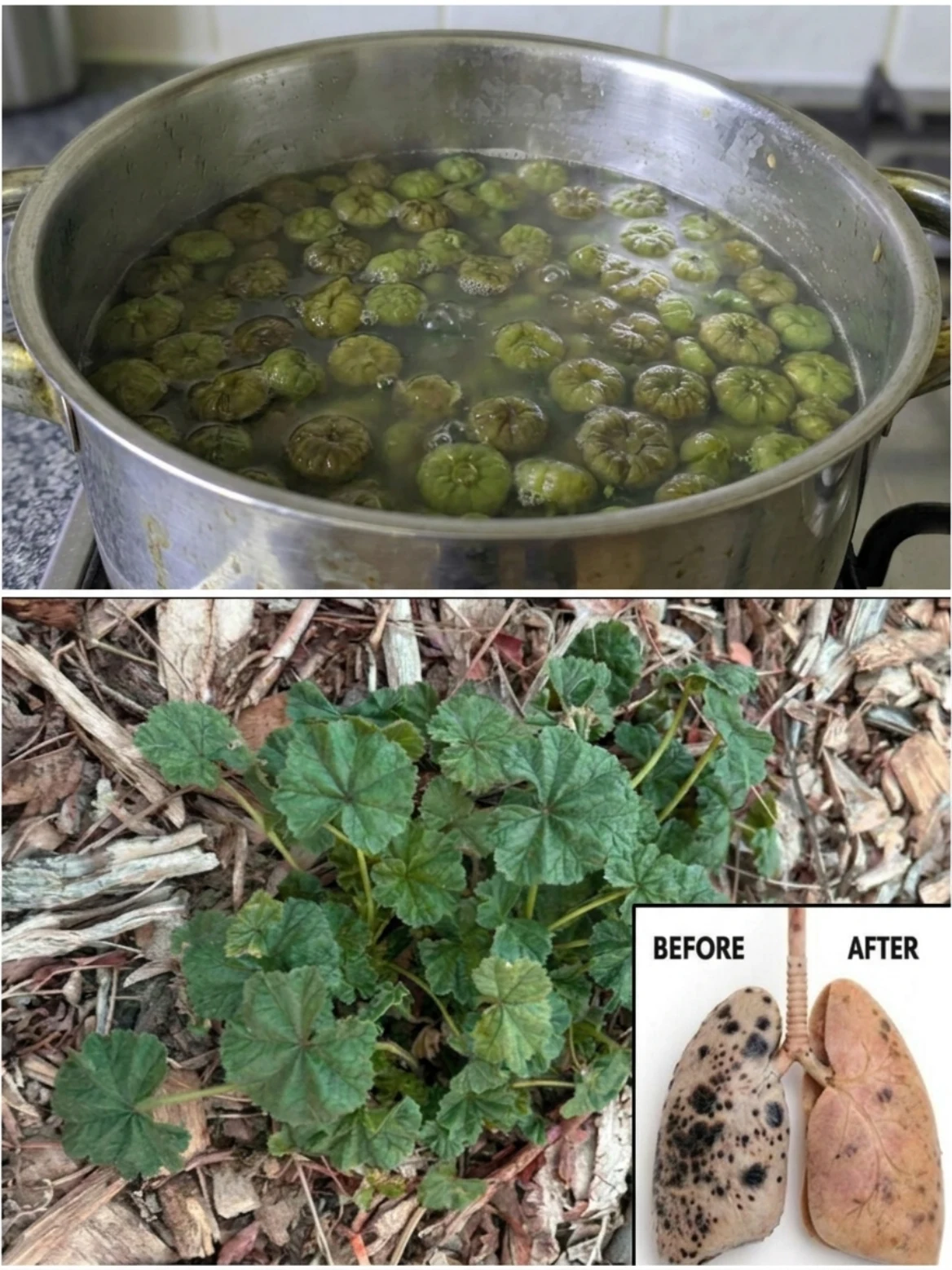
What This Herb Is Traditionally Used For
Mallow is usually linked with soothing, not forcing.
That is a big part of its appeal. In traditional use, it is often associated with:
- throat irritation
- dry cough
- mild chest discomfort
- digestive irritation
- general “heat” or dryness in the body
The reason it keeps showing up in herbal traditions is its mucilage. That soft, gel-like plant substance is one of the main things people value in mallow-type herbs. It is the same reason marshmallow root became so well known for throat comfort. WebMD’s marshmallow monograph explains that mucilage is a sticky substance that may help ease inflammation and is commonly used in teas, lozenges, and throat products for cough and sore throat.
Mallow is not exactly the same plant as marshmallow root, but the soothing logic is very similar. PFAF specifically notes that common mallow is taken internally for respiratory system diseases or inflammation.
Ingredients
For a simple mallow tea for chest comfort, you only need a few things:
- 1 small handful fresh mallow leaves, flowers, or tender seed pods
or - 1 to 2 teaspoons dried mallow
- 2 cups water
If the plant is correctly identified and clean, the leaves and flowers are the most traditional parts. Some people also use the immature seed pods, especially in home-style preparations.

How to Prepare It
This remedy is simple and works best when kept light.
Step 1: Wash the herb well
Rinse the leaves, flowers, or tender pods gently to remove dust and grit.
Step 2: Add to water
Place the herb in a small pot with 2 cups of water.
Step 3: Simmer gently
Bring it to a gentle boil, then lower the heat and let it simmer for about 8 to 10 minutes.
Step 4: Let it rest
Turn off the heat and leave it for another 5 minutes.
Step 5: Strain and drink
Strain into a cup and sip while warm.
The tea is usually mild, soft, and slightly green rather than strongly bitter.
Why People Keep Using It
Part of the reason mallow stays in the conversation is that it feels easy on the body.
Some herbs feel sharp. Mallow feels soft.
That matters when the throat is irritated or the chest feels uncomfortable. The plant’s traditional role is not to “attack” symptoms. It is more about coating, calming, and taking the edge off dryness. That idea is supported by the plant’s mucilage content and the long-standing use of Malva species for respiratory irritation. PFAF notes this directly for Malva neglecta, and the same broader tradition exists for other mallow family herbs too.
There is also something comforting about the ritual itself. Warm tea, a slower pace, a plant that feels gentle instead of harsh. Sometimes that is exactly what people are looking for.
What You Can Realistically Expect
This is where it helps to stay grounded.
A mallow tea may help you feel:
- a little more soothed
- less dry in the throat
- more comfortable with mild irritation
- calmer after sipping something warm and softening
You might notice that kind of comfort the same day, especially if dryness is the main problem.
What it is not likely to do is treat pneumonia, severe infection, asthma attacks, or serious lung disease on its own. A traditional herb tea can support comfort, but it is not a replacement for proper treatment when breathing symptoms are intense or ongoing.
Safety Notes
Mallow is generally thought of as a mild herb, but mild does not mean unlimited.
WebMD notes that mallow flower extract is possibly safe for short-term use, though some people may still get stomach upset such as nausea, diarrhea, or indigestion.
A few simple precautions make sense:
- use only correctly identified plants
- avoid harvesting from sprayed or polluted places
- start with a small amount if it is your first time
- stop if it causes stomach discomfort or any unusual reaction
And of course, seek medical care if there is wheezing, shortness of breath, chest pain, high fever, coughing blood, or symptoms that are not improving.
Final Thoughts
Mallow is one of those herbs that does not need big promises to make sense. It has lasted because it fits a very simple need: when the throat feels rough or the chest feels irritated, a soft, soothing tea can be welcome.
That is probably the best way to think about it.
Not as a miracle fix. Not as a dramatic “lung cleanse.” Just as a gentle traditional herb, used with a little care and a little common sense, for the kind of discomfort that responds well to warmth and softness.
Related Source Science
Plant and review sources describe Malva neglecta as a mucilage-rich herb traditionally used for respiratory irritation and inflammation, while newer studies continue to explore its antioxidant and antimicrobial activity. The strongest traditional logic behind this remedy is its demulcent, softening nature rather than any strong modern proof that it treats lung disease directly.