Some plants look like they are protecting something important.
Milk thistle does exactly that. With its sharp spines, white-veined leaves, and bright purple flower heads, it is one of those herbs people remember the first time they see it. And for years, it has carried one of the biggest reputations in herbal medicine: the liver herb. Its active extract, usually called silymarin, has been studied for liver-related conditions for a long time, and milk thistle is still one of the most widely used supplements people reach for when they hear the words “fatty liver,” “detox,” or “liver support.”
But calling it a miracle cure for liver disease goes too far.
That is the part worth slowing down for. According to NCCIH, studies they funded on hepatitis C and nonalcoholic steatohepatitis (NASH) did not show benefit from supplementation with milk thistle extract. NCCIH also says that no dietary supplement has been shown to be effective for hepatitis C.
So the more honest version is this: milk thistle is a traditional liver-support herb with a long history and real scientific interest, but it is not a guaranteed fix for liver disease. (NCCIH)
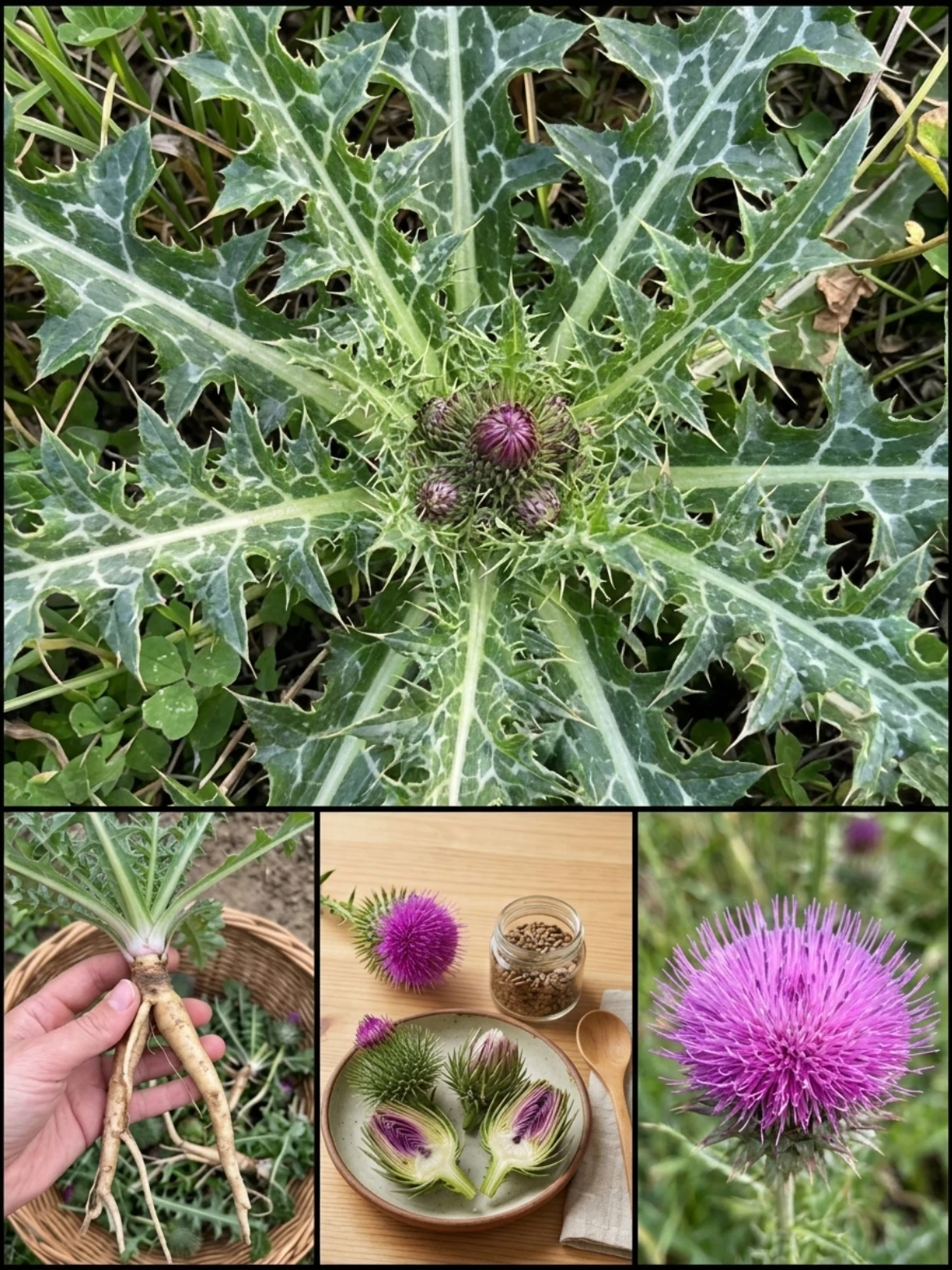
Why People Connect Milk Thistle With the Liver
The connection is not random.
Milk thistle has been used for centuries as a liver herb, and the part most often discussed today is silymarin, a compound-rich extract from the seeds. Researchers have studied it for antioxidant and liver-protective potential, which is why it keeps showing up in conversations about liver wellness. LiverTox notes that milk thistle has long been used as a “liver tonic,” while NCCIH confirms that it remains one of the most commonly used herbal products for liver-related concerns.
That long reputation is exactly what keeps the herb popular.
At the same time, liver disease is complicated. Fatty liver, viral hepatitis, alcohol-related liver injury, cirrhosis, and medication-related liver damage are not all the same thing. That is one reason a single herb rarely works the way internet posts make it sound.
What Milk Thistle Is More Realistically Used For
If you want to talk about milk thistle in a grounded way, it makes more sense to describe it as a supportive herb, not a cure.
People usually use it for:
- general liver support
- interest in antioxidant-rich herbs
- a traditional herb for metabolic or digestive wellness
- a food-first or supplement-based liver routine
That is a much better fit than calling it “the herb that cures liver disease.”
Ingredients and a Traditional Tea-Style Preparation
The image suggests a seed-based use, so the simplest traditional-style version would be a milk thistle seed tea or light decoction.
Ingredients
- 1 to 2 teaspoons milk thistle seeds
- 2 cups water
You can lightly crush the seeds first if you want a stronger brew.
How to prepare it
Add the seeds to water and bring to a gentle boil. Lower the heat and let it simmer for about 10 to 15 minutes. Turn off the heat, let it rest for another 5 minutes, then strain and drink warm.
The flavor is mild, earthy, and a little nutty rather than strongly bitter.
How People Use It
This kind of tea is usually used in small amounts, not like an all-day detox drink.
Most people would take it:
- once a day
- after meals
- as part of a broader wellness routine, not as an emergency remedy
And that last part matters. Milk thistle makes more sense as a slow, supportive habit than as a dramatic rescue treatment.
What the Science Actually Says
This is where things get interesting.
Milk thistle is not fake. It has enough research behind it to explain why people keep using it. Studies and reviews have explored its effects on liver enzymes, oxidative stress, and different kinds of chronic liver conditions. Some reviews suggest there may be potential hepatoprotective effects, and newer systematic reviews continue to explore whether silymarin may help improve some liver-related markers in certain settings.
But the overall picture is still mixed.
NCCIH is especially clear here: their funded studies in hepatitis C and NASH did not show benefit from silymarin, and evidence is still not strong enough to treat milk thistle like a proven therapy for major liver disease. (NCCIH)
So if someone says milk thistle is “good for the liver,” that is a reasonable traditional statement. If they say it is a miracle cure, that is where the claim stops being honest.
What Actually Helps the Liver Most
This part is less exciting, but much more useful.
For many liver conditions, especially fatty liver disease, guidance still centers on:
- maintaining a healthy weight
- improving diet quality
- limiting alcohol
- managing metabolic health
- getting proper medical follow-up
That is what NIDDK and NHS-style patient guidance keep emphasizing. In real life, the liver usually improves through consistent habits, not through one herb alone.
Safety Notes
Milk thistle is generally considered well tolerated when taken orally, but it is not completely risk-free. NCCIH says side effects can include digestive upset, and some people may have allergic reactions, especially if they are sensitive to plants in the same family.
A few simple precautions make sense:
- start small if you have never used it
- be careful if you take regular medications
- do not use it as a replacement for medical care
- get proper evaluation for jaundice, severe fatigue, swelling, dark urine, or ongoing right-sided abdominal pain
Final Thoughts
Milk thistle deserves its place in herbal medicine, but it deserves to be talked about honestly.
It is a respected traditional liver-support herb with real scientific interest behind it. That is already enough. It does not need to be turned into a miracle story to sound impressive. The better way to describe it is simple: milk thistle may support a healthy liver routine, but it is not a cure for liver disease on its own.
Sometimes the most helpful version of a remedy is the one that tells the truth without overpromising.