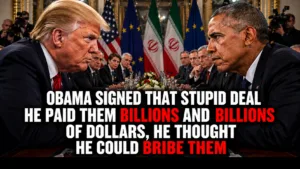
More than a decade after the Iran nuclear deal reshaped U.S. foreign policy, Donald Trump is once again putting the agreement at the center of America’s debate over Iran. In recent remarks, Trump sharply criticized former President Barack Obama, arguing that the 2015 nuclear agreement handed Iran billions of dollars while failing to stop its nuclear ambitions. His comments come as negotiations involving Iran continue to dominate international headlines and as tensions across the Middle East remain elevated.
Trump’s criticism touches on one of the most controversial foreign policy decisions of the Obama era. Supporters of the deal argue it successfully delayed Iran’s path toward a nuclear weapon and subjected Tehran’s nuclear program to unprecedented international inspections. Critics, including Trump, maintain that the agreement provided economic relief to Iran without permanently eliminating the nuclear threat.
What Was the Iran Nuclear Deal?
The agreement, formally known as the Joint Comprehensive Plan of Action (JCPOA), was signed in 2015 between Iran and six world powers: the United States, the United Kingdom, France, Germany, Russia, and China. Under the deal, Iran agreed to significantly limit its nuclear activities, reduce its stockpile of enriched uranium, and allow extensive monitoring by the International Atomic Energy Agency (IAEA).
In exchange, international sanctions imposed on Iran were lifted, allowing the country to regain access to frozen assets and re-enter parts of the global economy. At the time, the Obama administration described the agreement as the best available option to prevent Iran from developing a nuclear weapon without resorting to military conflict.
The deal quickly became one of the most significant diplomatic achievements of Obama’s presidency—and one of its most divisive.
Why Does Trump Oppose It?
Trump has criticized the agreement since it was first negotiated. He argues that sanctions relief gave Iran access to tens of billions of dollars while only temporarily restricting its nuclear activities. According to Trump and many Republican lawmakers, the deal failed to address Iran’s ballistic missile program, regional influence, and support for armed groups across the Middle East.
In 2018, during his first term as president, Trump withdrew the United States from the agreement and reinstated economic sanctions against Iran. His administration pursued what became known as the “maximum pressure” campaign, designed to force Tehran into negotiating a broader and more restrictive agreement.
Trump’s latest comments reflect the same argument he has made for years: that the JCPOA empowered Iran economically while postponing rather than solving the nuclear issue.
Did the Deal Work?
The answer depends largely on who is being asked.
According to multiple reports from the International Atomic Energy Agency, Iran remained largely compliant with the agreement’s nuclear restrictions during the early years following its implementation. International inspectors repeatedly verified that Iran had reduced its enriched uranium stockpile and dismantled significant portions of its nuclear infrastructure.
Supporters of the deal point to those findings as evidence that the agreement successfully delayed Iran’s nuclear program and reduced the risk of immediate conflict.
Critics counter that the restrictions were temporary and that the deal failed to permanently prevent Iran from expanding its nuclear capabilities in the future. They also argue that sanctions relief strengthened Iran financially without changing its broader regional behavior.
The disagreement remains one of the most enduring foreign policy debates of the 21st century.
Why Is This Debate Returning Now?
Trump’s comments arrive at a moment when concerns about Iran’s nuclear activities are once again attracting global attention. The collapse of the original agreement, combined with years of escalating tensions between Iran, Israel, and the United States, has renewed questions about how the international community should address Tehran’s nuclear ambitions.
According to recent assessments from the International Atomic Energy Agency, Iran’s stockpile of enriched uranium has grown significantly since the United States withdrew from the agreement. That development has fueled concerns among Western governments and regional allies about the possibility of a future nuclear crisis.
As discussions continue over diplomacy, sanctions, and military deterrence, the legacy of the 2015 deal remains impossible to ignore.
What Happens Next?
The future of Iran’s nuclear program will likely remain one of the defining foreign policy challenges facing the United States and its allies. Whether through diplomacy, economic pressure, or a combination of both, policymakers continue searching for a strategy capable of preventing nuclear proliferation while avoiding a broader conflict in the Middle East.
Trump’s latest criticism has once again revived a debate that never truly disappeared. For supporters of the agreement, the deal represented a rare diplomatic success that reduced immediate nuclear risks. For opponents, it symbolized a missed opportunity that provided economic benefits to Iran without eliminating the underlying threat.
More than ten years later, the central question remains unchanged: did the Iran nuclear deal prevent a future crisis, or merely delay one?