Some herbs are easy to overlook until you learn what people have been doing with them for generations.
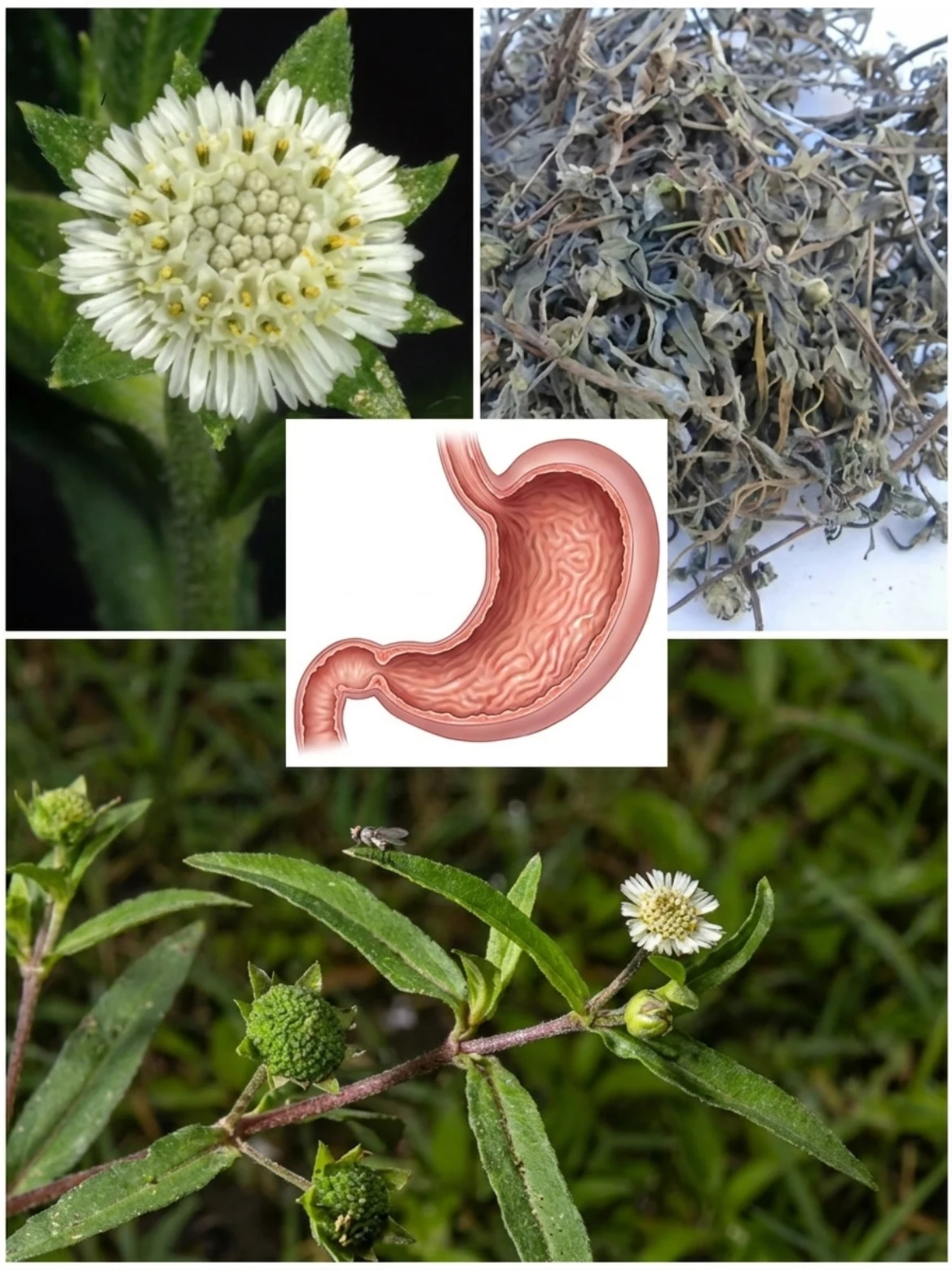
This little white-flowered plant looks like false daisy, also known as Eclipta prostrata or Eclipta alba in many traditional herb references. It is a small creeping herb in the daisy family, with narrow leaves and tiny white flower heads, and it has a long history in Asian herbal medicine. Modern reviews still describe it as a plant traditionally used for the stomach, liver, skin, and hair, which helps explain why it keeps showing up in home remedies for digestive discomfort.
What makes this herb interesting is that it sits somewhere between old folk use and modern curiosity. People often know it for hair oils and liver support first, but traditional sources also connect it with appetite, digestion, and gastrointestinal complaints. That does not mean it is a miracle cure for every stomach problem. It just means this is one of those herbs people have long reached for when the stomach feels unsettled and they want something simple and bitter-green rather than heavy.
What False Daisy Is Traditionally Used For
False daisy has a broader reputation than most people expect.
Traditional use has included:
- mild digestive support
- appetite support
- liver-related herbal use
- skin and scalp remedies
- general tonic-style use in Ayurveda and other traditional systems
One review specifically notes that Eclipta alba has been used for gastrointestinal problems as well as liver and skin concerns. Another traditional-use summary describes it as a plant believed to stimulate digestion and support appetite. That is likely why people still dry the whole herb and turn it into decoctions or tea-like preparations.
Why People Connect It With the Stomach
This usually comes down to tradition more than trend.
Bitter or slightly earthy herbs have long been associated with digestion. False daisy fits that pattern. It is not a sweet, soothing herb like chamomile. It is more of a green tonic herb, the kind people use when the stomach feels heavy, appetite feels low, or digestion seems sluggish.
Traditional reports mention its use in decoctions for digestive weakness, and this is probably the root of the “stomach herb” reputation. The strongest modern support is still mostly based on ethnomedicinal use and preclinical work, not large human clinical trials.
So the best way to talk about it is with a little balance: a traditional digestive herb with a long history, not a proven treatment for ulcers, gastritis, or serious stomach disease.
Ingredients
For a simple traditional-style false daisy tea, you only need:
- 1 small handful fresh false daisy
or 1 to 2 teaspoons dried herb - 2 cups water
If you are using fresh herb, the leaves and tender stems are usually the main parts used.

How to Prepare It
This type of remedy is usually made more like a light decoction than a delicate floral tea.
Step 1: Wash the herb well
Rinse the plant thoroughly to remove grit and dust.
Step 2: Add it to water
Place the herb in a small pot with 2 cups of water.
Step 3: Simmer gently
Bring it to a light boil, then lower the heat and let it simmer for about 8 to 10 minutes.
Step 4: Let it rest
Turn off the heat and leave it for another 5 minutes.
Step 5: Strain and sip warm
Strain into a cup and drink while warm.
The tea is usually mild, earthy, and a little bitter-green. It is more functional than flavorful, which is often the case with digestion herbs.
How to Use It
This kind of tea is usually taken in small amounts, not all day long.
Best time to drink it
People often prefer it:
- before meals when appetite feels low
- after meals when the stomach feels heavy
- during short periods of digestive discomfort
Quick relief timeline
If it suits you, the first thing you may notice is subtle. The stomach may feel a little lighter, or digestion may feel less sluggish within the same day. But this is not the kind of herb that should be expected to fix severe pain, reflux, ulcers, vomiting, or ongoing stomach issues overnight.
That slower, more modest expectation is the realistic one.
Why This Herb Still Appeals to People
Part of it is simply how versatile the plant seems.
False daisy has been used in so many traditional ways that people naturally start trusting it as a general-purpose herb. Modern sources still describe it as a plant of interest for several body systems, especially the liver and digestive tract. That broader reputation makes it feel like the kind of herb that “supports the body” rather than targets only one problem. (Oriental Journal of Chemistry)
There is also the ritual of it. A warm bitter-green herbal cup before or after a meal feels different from drinking something sweet or caffeinated. Sometimes that alone changes how the body settles.
Safety Notes
This is still a plant medicine, so a little caution matters.
A Springer book chapter on Eclipta prostrata notes that safety and toxicity have been reviewed and that animal data suggest it is moderately safe, but that does not mean unlimited use is a good idea. It is still better to start small, especially if you are new to the herb.
A few simple precautions:
- use only correctly identified false daisy
- avoid roadside or sprayed plants
- start with a small amount first
- stop if it causes nausea or stomach irritation
- be cautious if pregnant, breastfeeding, or taking regular medication
And of course, herbal tea is not the answer for severe stomach pain, vomiting, black stools, unexplained weight loss, or ongoing digestive symptoms. Those need proper medical care.
Final Thoughts
False daisy tea makes sense as a traditional stomach-support herb because that is exactly how people have used it for a long time. It is simple, earthy, and easy to prepare, and its reputation for digestive support is tied to real traditional use. Modern science is interested, but the evidence is still not strong enough to treat it like a cure-all.
So the most honest version is also the most useful one: this is a small old-fashioned herb that may help support digestion gently, especially when the stomach feels heavy or appetite feels off, but it works best when expectations stay realistic.
Related Source Science
Modern reviews and traditional-use summaries describe Eclipta prostrata / Eclipta alba as a herb used for the stomach, liver, skin, and hair, with specific traditional references to appetite and digestion support. Current evidence is strongest for ethnomedicinal use and preclinical research, not strong clinical proof for major digestive disease treatment.