Often dismissed as a troublesome weed due to its notorious sting, the stinging nettle (Urtica dioica) is, in fact, a remarkably versatile and nutrient-dense plant with a rich history of medicinal and culinary uses. For centuries, various cultures have harnessed its potent properties, recognizing it as much more than just a garden nuisance. From ancient remedies to modern superfood trends, nettle continues to surprise and benefit those who dare to look past its prickly exterior.
In this comprehensive guide, we’ll delve into the world of stinging nettle, exploring its incredible health benefits, how to safely identify and harvest it, and practical ways to incorporate this verdant marvel into your daily routine. Prepare to transform your perception of this humble plant and discover why it deserves a prime spot in your home remedy toolkit.
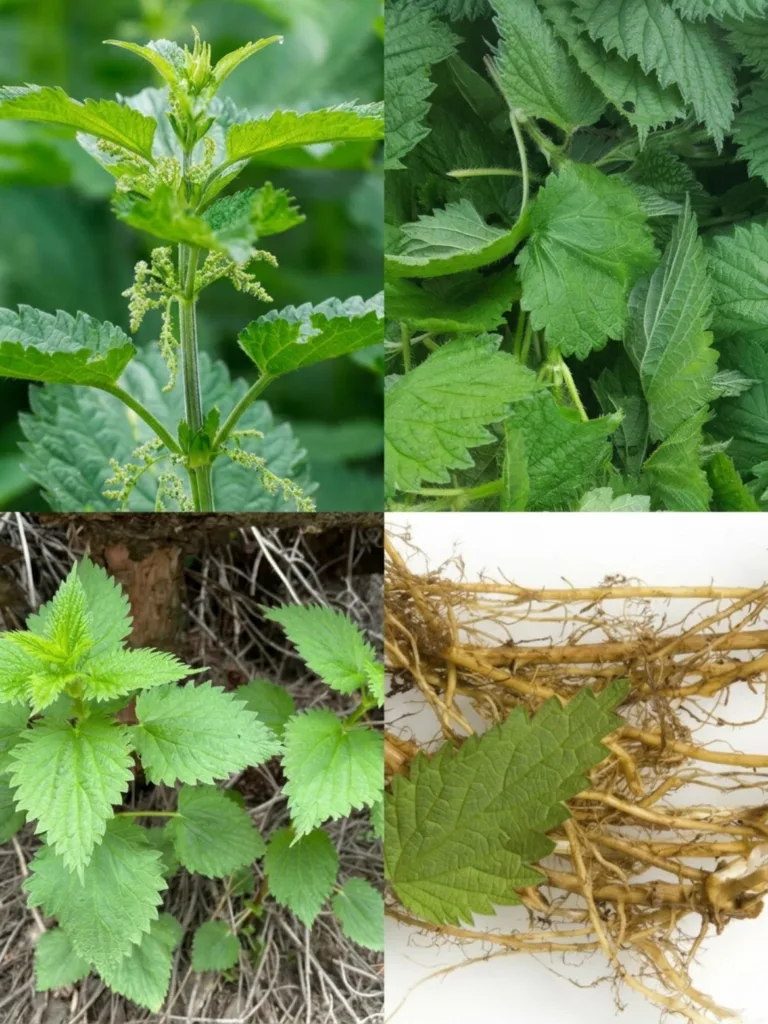 A visual guide to the stinging nettle plant, showcasing its leaves, flowers, roots, and natural habitat.
A Brief History of Nettle’s Role
Long before modern medicine, stinging nettle was a revered herb across Europe, Asia, and North America. Ancient Egyptians used it to treat arthritis and back pain, while Roman soldiers reportedly rubbed it on themselves to keep warm. In medieval Europe, it was a common remedy for everything from joint pain to respiratory issues. Textiles and papers were even made from its strong fibers, demonstrating its widespread utility beyond just health.
Nutritional Powerhouse: What Makes Nettle So Special?
Don’t let the sting fool you; stinging nettle is packed with an impressive array of vitamins, minerals, and other beneficial compounds. When cooked or dried, the stinging hairs (trichomes) are neutralized, making it safe and delicious to consume. Here’s a glimpse of its nutritional profile:
- Vitamins: Rich in vitamins A, C, and K, as well as several B vitamins.
- Minerals: An excellent source of iron, calcium, magnesium, potassium, and phosphorus.
- Amino Acids: Contains all essential amino acids.
- Antioxidants: Abundant in carotenoids, flavonoids, and polyphenols, which help combat oxidative stress.
- Chlorophyll: High levels contribute to its vibrant green color and detoxifying properties.
Key Health Benefits of Stinging Nettle
The extensive nutrient content of stinging nettle translates into a wide range of health benefits that have been supported by both traditional use and modern scientific research.
1. Anti-Inflammatory Properties
Nettle has powerful anti-inflammatory effects, making it a popular natural remedy for conditions like arthritis, gout, and muscle pain. Its compounds, including flavonoids and lignans, can inhibit inflammatory pathways in the body.
2. Alleviates Allergy Symptoms
For seasonal allergy sufferers, nettle can be a game-changer. It acts as a natural antihistamine, helping to reduce symptoms such as sneezing, runny nose, and itchy eyes by inhibiting histamine production and release.
3. Supports Kidney and Urinary Tract Health
Known for its diuretic properties, nettle helps flush out toxins from the body and supports healthy kidney function. It can also aid in preventing and treating urinary tract infections (UTIs) and reducing the risk of kidney stones.
4. Boosts Blood Health and Iron Levels
Its high iron content, combined with vitamin C (which enhances iron absorption), makes nettle an excellent natural supplement for combating anemia and boosting red blood cell production.
5. Promotes Hair and Skin Health
Nettle is often used in hair rinses and shampoos to promote hair growth, reduce dandruff, and add shine. Internally, its antioxidant and anti-inflammatory properties can contribute to clearer skin and a healthy complexion.
6. Aids in Detoxification
As a natural diuretic and mild laxative, nettle helps the body eliminate waste products and toxins, supporting overall detoxification processes.
Safe Harvesting and Preparation: Taming the Sting
The key to enjoying nettle’s benefits lies in knowing how to handle it. The stinging hairs contain formic acid and histamine, which cause the characteristic irritation upon contact. However, these compounds are neutralized by heat or drying.
Foraging Tips:
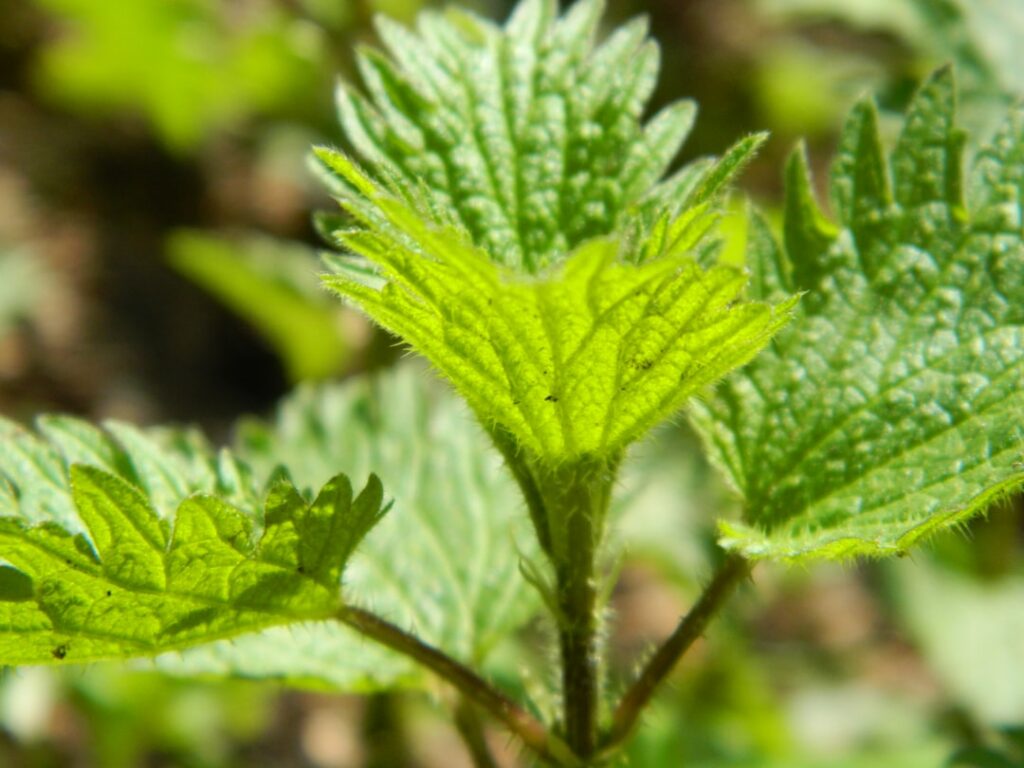
- Identification: Look for serrated, heart-shaped leaves, often in opposing pairs, on a square stem. The plant usually grows in nutrient-rich soil, often in disturbed areas, woodlands, and along streams.
- Timing: Harvest young, tender leaves in spring before the plant flowers for the best flavor and nutrient content. Older leaves can be tougher and may have a laxative effect.
- Protection: Always wear thick gloves and long sleeves when harvesting to avoid stings. Use scissors or a knife to cut the stems cleanly.
Preparation Methods:
- Blanching/Cooking: Submerge fresh nettle leaves in boiling water for 1-2 minutes, or sauté them in oil. This neutralizes the sting and makes them safe to eat.
- Drying: Hang bundles of nettle in a well-ventilated area or use a dehydrator. Once dry, the leaves lose their sting and can be used for teas or powdered.
- Infusion/Tea: Steep fresh blanched or dried nettle leaves in hot water for 5-10 minutes to make a nutritious herbal tea.
 Always wear protective gloves when harvesting fresh stinging nettle to avoid its characteristic sting.
Culinary Delights: Incorporating Nettle into Your Diet
Once processed, nettle has a mild, earthy flavor similar to spinach or kale. It’s incredibly versatile in the kitchen:
- Nettle Tea: A simple, warming, and highly beneficial drink.
- Soups and Stews: Add blanched nettle to your favorite recipes for a nutritious boost.
- Pesto: Substitute spinach or basil with blanched nettle for a unique and healthy pesto.
- Sautéed Greens: Simply sauté blanched nettle with garlic and olive oil as a side dish.
- Smoothies: Add a handful of blanched nettle to your morning smoothie.
- Nettle & Ricotta Ravioli: A delicious and traditional Italian dish.
Precautions and Considerations
While generally safe for most people, there are a few considerations when consuming stinging nettle:
- Pregnancy and Breastfeeding: Consult a healthcare professional before use, as its effects are not well-studied in these populations.
- Medication Interactions: Nettle can interact with blood thinners, diuretics, and medications for blood pressure or diabetes. Always consult your doctor if you are on medication.
- Allergies: Though it can help with allergies, some individuals might be allergic to nettle itself.
- Raw Consumption: Avoid eating raw nettle without proper processing, as the sting can irritate the mouth and throat.
Embrace the Power of Nettle
Stinging nettle is a testament to nature’s incredible ability to provide powerful remedies and nutrition in unexpected packages. By understanding its properties and learning safe handling techniques, you can unlock a world of health benefits and culinary possibilities. So next time you encounter this prickly plant, remember its hidden potential and consider inviting it into your home as a natural ally for your well-being.