Irises are beloved for their spectacular, ruffled blooms that bring a splash of color and elegance to any garden. From the classic bearded irises to the delicate Siberian and Japanese varieties, these resilient perennials are a joy to cultivate. However, after their magnificent flowering display, many gardeners make a common mistake that can inadvertently harm their future blooms: pruning the leaves too early.
It’s a tempting thought: clean up the garden, snip away the spent foliage, and maintain a tidy appearance. But when it comes to irises, patience is a virtue, especially concerning their leaves. Understanding why these green blades are so crucial to the plant’s health and future performance is key to cultivating truly thriving irises.
The Vital Role of Iris Leaves: Fueling Next Year’s Show
Think of iris leaves as solar panels for your plant. After the flowers fade, the leaves continue to perform one of the most important jobs in the plant world: photosynthesis. During this process, they convert sunlight into energy (sugars), which is then stored in the iris’s fleshy underground rhizomes.
- Energy Storage: This stored energy is absolutely critical. It fuels the development of new rhizome offsets, strengthens the existing rhizome, and most importantly, provides the reserves needed to produce those stunning flower stalks and blooms for the following season.
- Rhizome Health: Healthy rhizomes are the backbone of a strong iris plant. Adequate energy reserves help them resist diseases and pests, ensuring a robust and long-lived plant.
Cutting the green leaves short prematurely is like unplugging the solar panels before they’ve finished charging the battery. The plant won’t have enough energy stored to perform optimally next year, leading to fewer, smaller, or even no blooms, and a weaker overall plant.
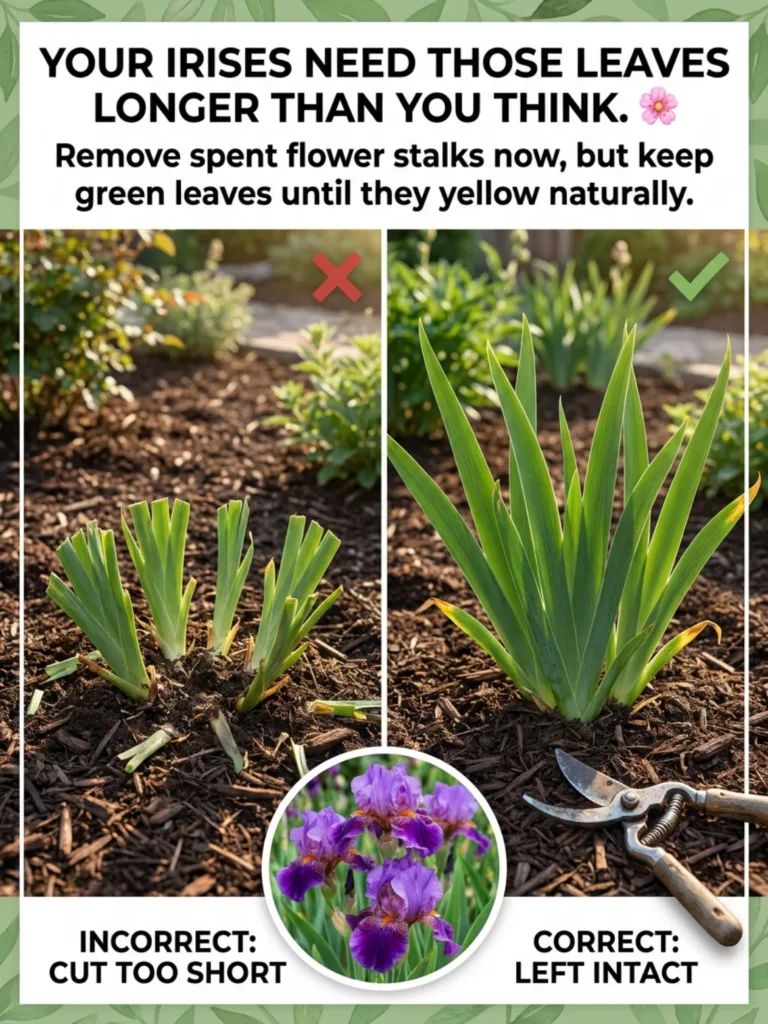 Understand the difference: Leaving iris leaves intact is crucial for their health and future blooms.
When to Prune: The Right Approach for Irises
There are indeed parts of an iris plant that benefit from pruning, but timing and knowing what to cut are essential.
1. Removing Spent Flower Stalks (Right After Flowering)
This is the primary pruning task you should undertake immediately after your irises finish blooming. Once a flower stalk has finished producing all its flowers, it has served its purpose. Removing it offers several benefits:
- Prevents Seed Formation: Cutting the stalk prevents the plant from expending energy on producing seeds, redirecting that energy back into the rhizome.
- Tidies Up: It cleans up the garden bed and removes unsightly spent stalks.
- Reduces Pest/Disease Risk: Old, decaying flower stalks can sometimes harbor pests or fungal diseases.
How to: Use sharp, clean pruning shears or a knife to cut the flower stalk down to about 1-2 inches above the rhizome. Avoid cutting into the healthy green leaves surrounding it.
2. Pruning Leaves (Patience is Key!)
This is where many gardeners get it wrong. The golden rule for iris leaves is: keep them green until they yellow naturally.
- Wait for Natural Yellowing: As autumn approaches or the growing season winds down, iris leaves will naturally begin to yellow and eventually turn brown. This is a sign that the plant has finished its photosynthetic work for the season and has drawn all the usable energy back into its rhizomes.
- When to Cut: Once the leaves have fully yellowed or browned, you can confidently cut them back. This usually happens in late fall or early winter, or even in very early spring before new growth emerges, depending on your climate.
- How to Cut: Trim the yellowed or brown leaves back to about 6-8 inches from the ground, shaping them into a fan. This allows for good air circulation around the rhizome and tidies up the bed. Be sure to remove any diseased or damaged leaves promptly throughout the season, regardless of color, to prevent the spread of issues.
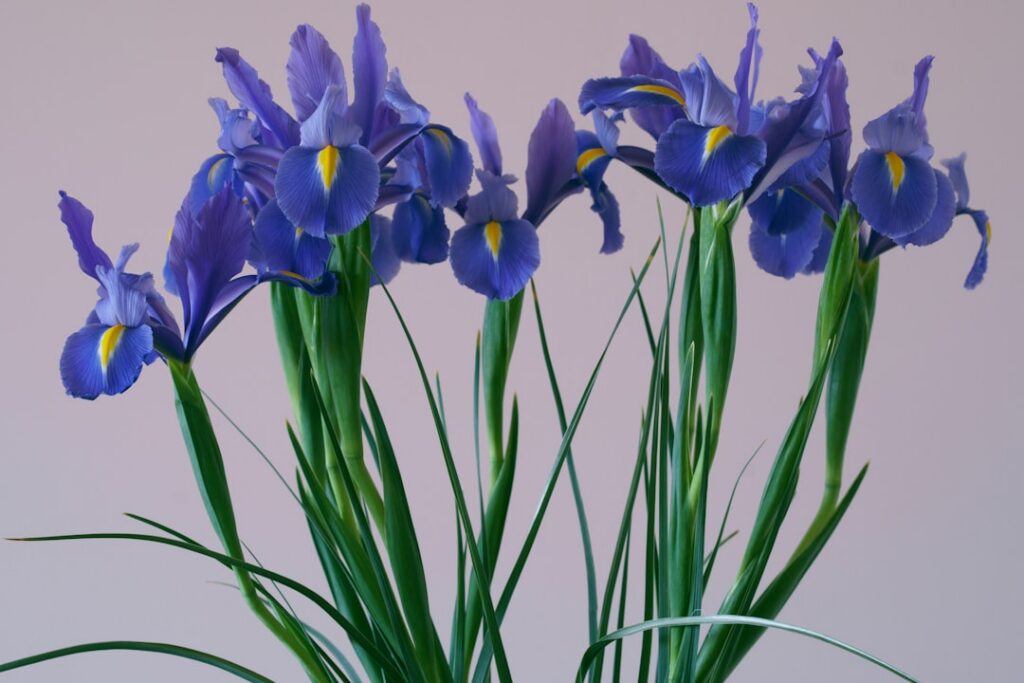 Allowing iris leaves to remain green after flowering ensures the plant can store enough energy for next year’s spectacular display.
What About Diseased or Damaged Leaves?
While the general rule is to leave green leaves alone, there’s an exception for any foliage that shows signs of disease (like iris leaf spot, identified by small brown spots) or significant damage. These should be removed promptly to prevent the issue from spreading to other parts of the plant or to nearby irises. Always use sterilized pruning tools to avoid transmitting diseases.
Beyond Pruning: Other Iris Care Tips
Proper pruning is just one piece of the puzzle for magnificent irises. Here are a few other essential care tips:
- Sunlight: Irises need at least 6 hours of full sun per day to thrive and bloom prolifically.
- Well-Drained Soil: They hate wet feet, so ensure your soil drains well. Consider raised beds if your soil is heavy clay.
- Planting Depth: For bearded irises, the top of the rhizome should be partially exposed to the sun. Other types may prefer slightly deeper planting.
- Dividing: Overcrowded irises produce fewer blooms. Divide them every 3-5 years, typically in late summer after flowering.
Conclusion: A Little Patience for a Big Reward
The secret to continuous, breathtaking iris blooms lies in understanding their life cycle and respecting the vital role their leaves play. By resisting the urge to cut back green foliage prematurely and instead allowing the leaves to do their important work of photosynthesis, you are actively investing in the health and vibrancy of your irises for seasons to come. Your patience will be richly rewarded with an even more spectacular display of color next year.
So, after the last delicate petals have faded, remember: remove the spent flower stalks, but let those green leaves stand tall and proud until nature tells them it’s time to rest.