Dividing perennial plants is one of the most beneficial tasks you can undertake in your garden. Not only does it help rejuvenate tired, overgrown clumps, but it also provides free plants to expand your garden or share with friends. Understanding *when* to divide specific perennials is crucial for their success and your gardening enjoyment. This guide will walk you through the why, when, and how of perennial division, ensuring your plants thrive for years to come.
Why Divide Perennials? The Benefits Are Abundant
Perennial plants, by their nature, live for more than two years. Over time, many will grow into large clumps, becoming less vigorous and producing fewer flowers. Division addresses several common issues:
- Rejuvenation: Dividing helps restore vigor to overcrowded plants, encouraging stronger growth and more abundant blooms.
- Propagation: It’s the easiest and most cost-effective way to create new plants from existing ones.
- Controlling Size: For fast-spreading perennials, division keeps them within their designated garden space.
- Improving Health: Dividing can alleviate issues like dead centers, poor air circulation, and susceptibility to diseases.
When to Divide Perennials: Timing is Everything
The general rule of thumb for dividing perennials is to divide spring and summer bloomers in the fall, and fall bloomers in the spring. However, some plants defy this rule and can be successfully divided in other seasons, including mid-summer. The key is to minimize stress on the plant, allowing it to establish new roots before extreme weather hits.
Good Candidates for Summer Division (Especially July)
While often advised against, some resilient perennials can actually benefit from a mid-summer division, especially if done carefully with adequate aftercare. These plants typically bloom in late spring or early summer and can recover quickly before the peak heat of summer or the onset of cooler fall temperatures.
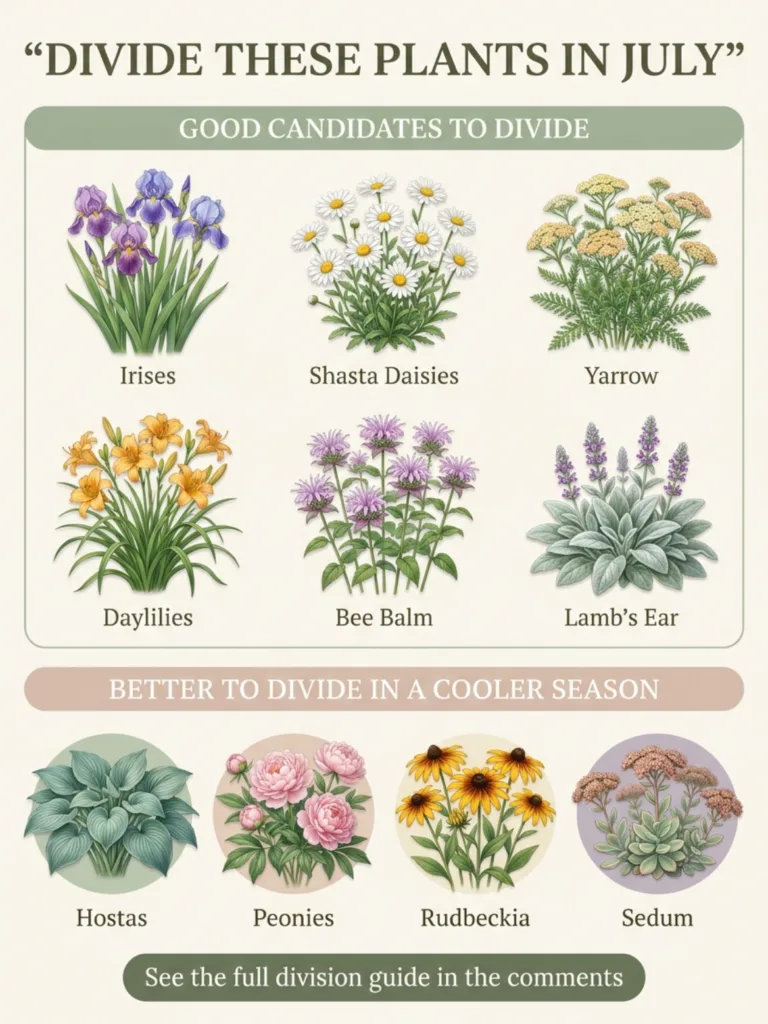 Some perennials are surprisingly resilient and can be divided in summer, while others prefer cooler seasons.
- Irises: Particularly bearded irises, are often divided in late summer after they’ve finished blooming. This allows their rhizomes to establish before winter.
- Shasta Daisies: These cheerful flowers can become overcrowded. Dividing them in late summer helps maintain their vigor and bloom production.
- Yarrow (Achillea): A tough plant that can handle division in summer, especially after its first flush of blooms.
- Daylilies (Hemerocallis): Known for their resilience, daylilies can be divided effectively in late summer after their blooming period concludes.
- Bee Balm (Monarda): Tends to spread rapidly. Dividing in mid-to-late summer can help control its growth and revitalize the plant.
- Lamb’s Ear (Stachys byzantina): Often divided when it starts to look scraggly or overcrowded, which can be done in summer if provided with enough water post-division.
When dividing in summer, ensure you provide ample water to the newly planted divisions and consider providing some temporary shade during the hottest part of the day to reduce transplant shock.
Better to Divide in a Cooler Season (Spring or Fall)
Many perennials prefer the milder temperatures of spring or fall for division. These seasons offer less stress from heat or cold, allowing plants to recover and establish new root systems more effectively.
- Hostas: Best divided in spring as new shoots emerge, or in early fall.
- Peonies: These long-lived beauties should only be divided when absolutely necessary, typically in the fall (September-October) after foliage dies back.
- Rudbeckia (Black-Eyed Susan): Divide in spring or early fall when the weather is cool.
- Sedum: Most sedums, especially larger varieties like ‘Autumn Joy’, are best divided in spring as new growth appears.
How to Divide Perennials: A Step-by-Step Guide
The process of dividing perennials is generally straightforward, though it can vary slightly depending on the plant’s root structure.
- Prepare Your Tools: Gather a sharp spade or digging fork, a sturdy knife or trowel, a wheelbarrow or tarp, and a bucket of water.
- Prepare the Plant: Water the plant thoroughly a day or two before dividing. Cut back the foliage to about one-third to one-half of its original height to reduce moisture loss and make the plant easier to handle.
- Lift the Clump: Dig a wide circle around the plant, about 6-12 inches from the base, depending on its size. Pry the entire root ball out of the ground.
- Divide the Plant: Gently shake off excess soil to expose the roots. Examine the plant for natural divisions. Depending on the plant, you might:
- Pull apart: For plants with fibrous roots (e.g., Daylilies, Bee Balm), you can often pull sections apart by hand.
- Cut with a knife/spade: For denser or woody root systems (e.g., Hostas, Irises), use a sharp knife or spade to cut through the crown, ensuring each division has several healthy shoots and a good portion of roots. Discard any old, woody, or dead centers.
- Replant Immediately: Prepare your new planting sites with compost or organic matter. Plant divisions at the same depth they were previously growing.
- Water Thoroughly: Water generously after planting to settle the soil around the roots.
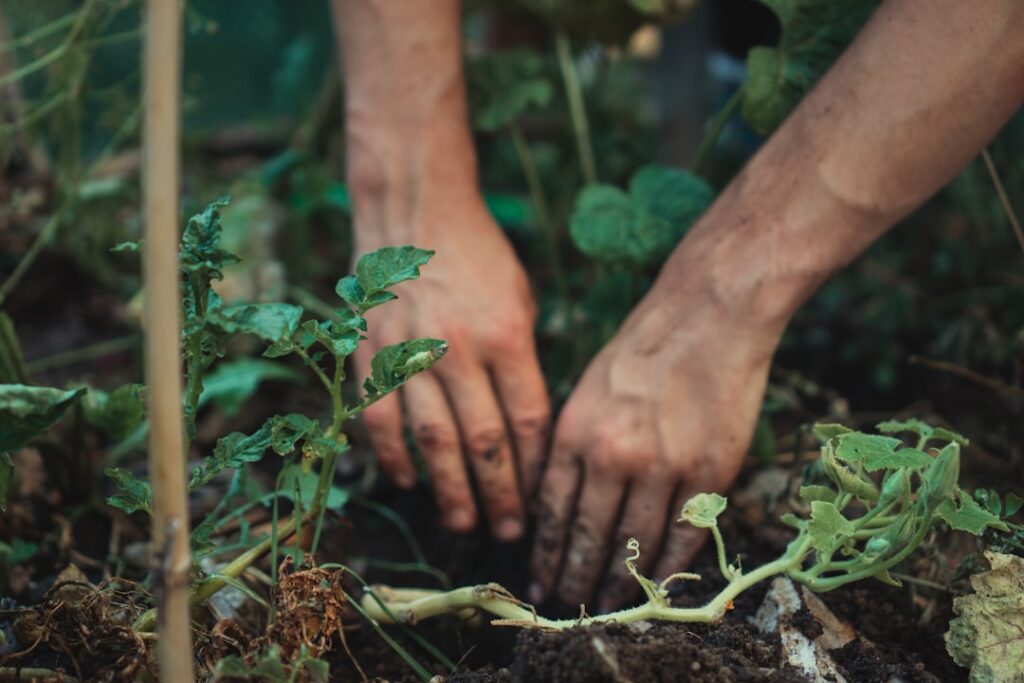 Dividing perennials is an effective way to propagate and rejuvenate your plants.
Tips for Successful Division
- Choose Healthy Plants: Only divide healthy, vigorous plants. Avoid dividing stressed or diseased specimens.
- Keep Roots Moist: Never let the roots dry out during the division process. Keep them covered or in a bucket of water if not replanting immediately.
- Proper Watering: Newly divided plants need consistent moisture as they establish. Water regularly, especially during dry spells.
- Mulch: Apply a layer of mulch around newly planted divisions to conserve moisture and regulate soil temperature.
- Don’t Over-Divide: Some plants, like Peonies, resent frequent division. Research your specific plant’s needs.
By understanding the nuances of perennial division, you can ensure your garden remains vibrant, healthy, and ever-expanding. Happy gardening!