Headaches are a common human experience, affecting nearly everyone at some point. From a dull ache to throbbing agony, they can disrupt daily life, concentration, and overall well-being. While many reach for over-the-counter solutions, understanding the nature of your headache and exploring gentle, natural approaches can often provide significant comfort and relief.
Our bodies often communicate imbalances through discomfort. By learning to discern the different signals your head might be sending, you can better address the root causes and discover a world of home remedies that have been cherished across generations for their soothing properties.
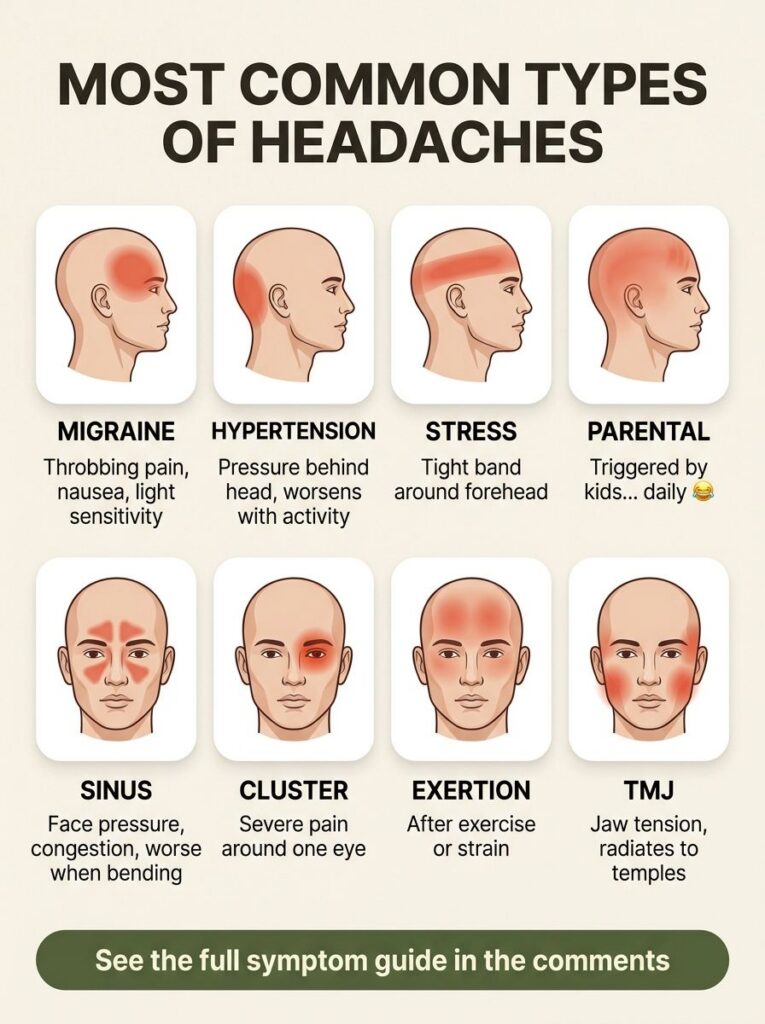 Unraveling the mystery: Different headaches manifest in distinct ways across the head.
Decoding Different Kinds of Headaches
While all headaches involve discomfort in the head, they are not all created equal. Identifying the specific type of headache you’re experiencing is the first step towards effective relief. Here are some of the most common varieties:
Tension Headaches
- Location: Often described as a tight band around the head, affecting both sides, the forehead, or the back of the head and neck.
- Symptoms: A constant, dull ache or pressure, rather than throbbing. It can feel like a vise gripping your head. These are frequently linked to stress, anxiety, poor posture, or jaw clenching.
Migraines
- Location: Typically one-sided, often behind the eye or in the temple, though it can affect both sides.
- Symptoms: Characterized by severe, throbbing pain, often accompanied by sensitivity to light, sound, and smell, nausea, and sometimes visual disturbances (aura). Migraines can be debilitating and last for hours or even days.
Cluster Headaches
- Location: Intense pain usually centered around one eye, temple, or forehead.
- Symptoms: Considered one of the most severe types of headaches, cluster headaches occur in cycles or ‘clusters.’ The pain is excruciatingly sharp and piercing, often accompanied by a watery eye, nasal congestion, or drooping eyelid on the affected side.
Sinus Headaches
- Location: Pain and pressure felt in the forehead, cheeks, and behind the eyes, often worsening with head movements.
- Symptoms: Caused by inflammation or infection in the sinuses, leading to a feeling of fullness in the face, nasal congestion, and sometimes fever.
Caffeine Withdrawal Headaches
- Location: Can be generalized across the head, or focused on the forehead and temples.
- Symptoms: A throbbing sensation, often accompanied by irritability, fatigue, and difficulty concentrating, occurring when regular caffeine intake is suddenly reduced or stopped.
Dehydration Headaches
- Location: Often felt across the entire head, sometimes more intensely in the temples or forehead.
- Symptoms: A dull ache or throbbing sensation, frequently accompanied by thirst, dry mouth, dizziness, and fatigue, all signs of insufficient fluid intake.
Hormonal Headaches
- Location: Varies, but often similar to tension headaches or migraines, appearing before, during, or after menstruation, during ovulation, pregnancy, or menopause.
- Symptoms: Linked to fluctuations in estrogen levels, these can range from mild discomfort to severe migraine-like symptoms.
“Parental” or Stress-Induced Headaches
- Location: Often a generalized pressure or tightness, similar to tension headaches, but specifically triggered by overwhelming daily demands.
- Symptoms: While not a clinical diagnosis, this colloquial term highlights headaches that arise from the cumulative stress and demands of life, often manifesting as a constant, weary ache that resolves with rest and reduced pressure.
Common Triggers and What to Watch For
Understanding your personal headache triggers is paramount to managing them effectively. While triggers can vary greatly from person to person, some common culprits include:
- Stress: Emotional, physical, or mental stress can tighten muscles and lead to tension headaches or trigger migraines.
- Lack of Sleep: Irregular sleep patterns or insufficient rest can throw off your body’s rhythm and invite headaches.
- Dehydration: Not drinking enough water is a surprisingly common cause of headaches.
- Certain Foods and Drinks: Processed meats, aged cheeses, red wine, chocolate, and artificial sweeteners are common culprits for some individuals.
- Sensory Overload: Bright lights, loud noises, and strong smells (like perfumes or certain chemicals) can trigger migraines.
- Hormonal Changes: Especially in women, fluctuations in estrogen can be a significant trigger.
- Weather Changes: Barometric pressure shifts can sometimes provoke headaches in sensitive individuals.
- Eyestrain: Prolonged screen time or uncorrected vision can lead to headaches.
Gentle Approaches: Natural Remedies for Relief
Before reaching for pharmaceuticals, many find solace and relief in traditional remedies and lifestyle adjustments. Here are some natural approaches to consider:
Hydration is Key
Often, simply drinking a glass of water can alleviate a dehydration headache within minutes. Make it a habit to sip water throughout the day, especially if you’re active or in a dry environment.
The Power of Essential Oils
Certain essential oils, when used safely and diluted, can offer soothing relief. Peppermint oil, for instance, can be gently dabbed on the temples and forehead (diluted with a carrier oil like coconut or jojoba) for a cooling sensation that may help ease tension. Lavender oil is renowned for its calming properties and can be diffused or applied to the pulse points to promote relaxation.
 Aromatic comfort: Essential oils can offer a gentle, soothing experience.
Herbal Teas and Infusions
Warm herbal teas can be incredibly comforting. Ginger tea, known for its anti-inflammatory properties, may help reduce headache pain. Chamomile tea is excellent for promoting relaxation and sleep, which can be beneficial for stress-related headaches. Feverfew, an herb traditionally used for migraines, can also be consumed as a tea (consult a healthcare provider, especially if pregnant or on medication).
Cold or Warm Compresses
- Cold Compress: Applying an ice pack wrapped in a cloth to the forehead, temples, or back of the neck can numb pain and constrict blood vessels, often effective for throbbing headaches or migraines.
- Warm Compress: A warm compress or heating pad on the back of the neck or shoulders can relax tight muscles that contribute to tension headaches.
Acupressure Points
Gentle massage on specific acupressure points can sometimes provide relief. One common point is the fleshy area between your thumb and index finger (LI4 or Hegu point). Applying firm pressure there for a minute or two can help alleviate pain. Another is the point between the eyebrows.
Relaxation Techniques
Techniques such as deep breathing exercises, meditation, and gentle yoga can significantly reduce stress and muscle tension, which are major contributors to many types of headaches. Even a few minutes of mindful breathing can make a difference.
Dietary Considerations
Keeping a food diary to identify potential dietary triggers can be invaluable. Some individuals find relief by avoiding common culprits like processed foods, excessive sugar, or aged cheeses. Incorporating magnesium-rich foods (leafy greens, nuts, seeds) can also be beneficial, as magnesium deficiency is sometimes linked to migraines.
Important Considerations: When to Consult a Professional
While natural remedies can be highly effective for many common headaches, it’s crucial to know when to seek professional medical advice. Consult a doctor if you experience:
- A sudden, severe headache, often described as the ‘worst headache of your life.’
- Headaches accompanied by fever, stiff neck, rash, confusion, seizures, double vision, weakness, numbness, or difficulty speaking.
- Headaches after a head injury.
- A change in the pattern or severity of your usual headaches.
- New headaches after age 50.
Cultivating a Headache-Friendly Lifestyle
Beyond immediate relief, adopting a lifestyle that supports overall well-being is the best long-term strategy for minimizing headache frequency and intensity. This includes:
- Maintaining a consistent sleep schedule.
- Regular physical activity.
- Managing stress through healthy coping mechanisms.
- Eating a balanced diet.
- Staying consistently hydrated.
- Limiting screen time and taking regular breaks to rest your eyes.
Conclusion
Headaches, in their various forms, are a common challenge, but understanding their nuances opens the door to more targeted and gentle forms of relief. By listening to your body, identifying your unique triggers, and thoughtfully integrating traditional natural remedies into your routine, you can take an empowered step towards greater comfort and well-being. Remember, natural approaches are about supporting your body’s innate ability to find balance and ease.