There’s something truly magical about plants that spill and cascade, adding a touch of living grace to any room. Hanging plants aren’t just beautiful; they’re space-savers, air purifiers, and mood boosters all rolled into one leafy package. If you’ve been dreaming of bringing that vibrant, trailing greenery into your home but aren’t sure where to start, you’re in the right place! Think of me as your gardening neighbor, ready to share some simple wisdom to get your hanging garden thriving.
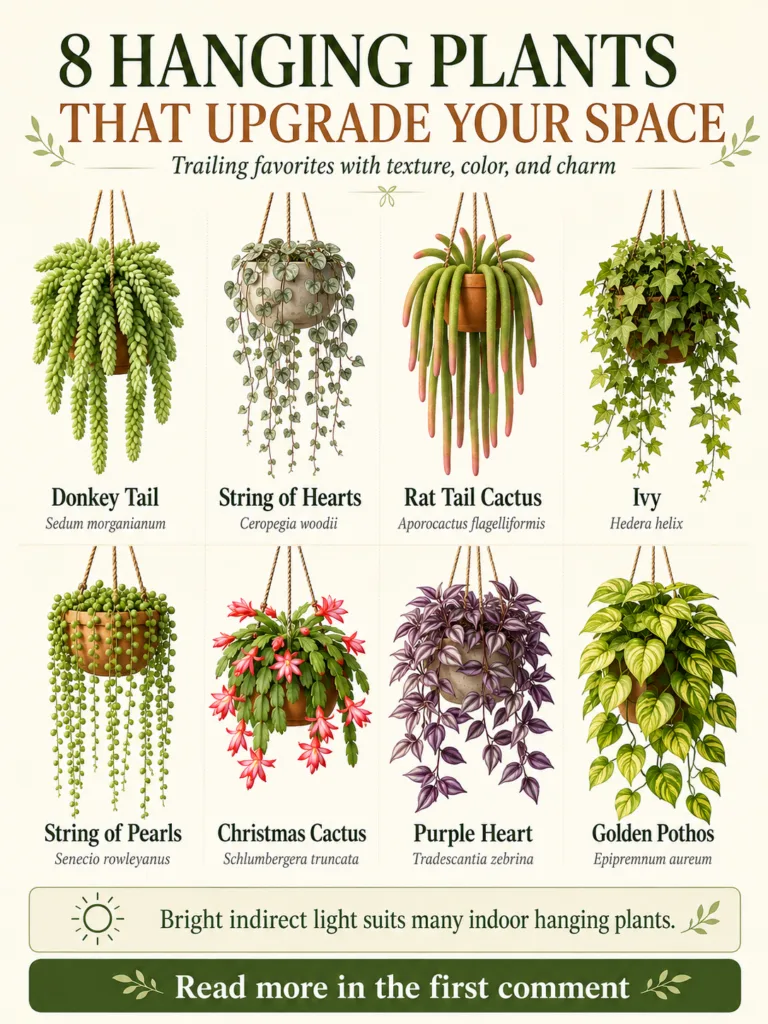 Discover some of the best hanging plants to elevate your home’s decor and air quality.
Why Go Up? The Wonderful World of Hanging Plants
Before we dive into specific plants and their care, let’s chat about why hanging plants are such a fantastic addition to our homes and gardens:
- Space Savers: Perfect for small apartments or corners where floor space is precious. They utilize vertical space, making your room feel larger and more open.
- Air Purifiers: Many hanging plants are excellent at filtering toxins from the air, contributing to a healthier indoor environment.
- Aesthetic Appeal: Their natural cascade creates a dynamic, softening effect in a room, drawing the eye upwards and adding texture and life.
- Mood Boosters: Bringing nature indoors has been shown to reduce stress and improve well-being. Watching your plants grow and thrive is incredibly rewarding!
Choosing Your Perfect Hanging Partner: What to Consider
Just like picking a friend, choosing a plant involves understanding its needs and how it fits into your life. Here’s what to think about:
1. Light Conditions
This is probably the most crucial factor. Look around your space throughout the day. Do you have a bright, south-facing window, or is your chosen spot a bit shadier? Most hanging plants prefer bright, indirect light, but some can tolerate lower light, while others crave more sun.
2. Watering Habits
Are you a diligent waterer, or do you tend to forget? Succulent-like trailing plants (think String of Pearls) prefer less frequent watering, while others (like ferns) enjoy consistently moist soil. Knowing your routine helps you pick a plant that will forgive your quirks.
3. Space and Growth Habit
Some hangers grow incredibly long (Pothos can trail for feet!), while others stay more compact. Consider how much space you have for their growth and where you’ll hang them so they have room to flourish without getting in the way.
Spotlight on Stellar Trailing Plants & Their Care
Let’s meet some of my favorite easy-going hanging plants that are sure to bring joy to your home:
1. Pothos (Epipremnum aureum)
- Why we love it: The ultimate forgiving plant! Pothos is incredibly adaptable, tolerating a range of light conditions and bouncing back easily from neglect. Its heart-shaped leaves come in various shades of green, gold, and white variegation.
- Care Tip: Water when the top inch or two of soil feels dry. It thrives in bright, indirect light but can handle lower light. Allow it to dry out between waterings to avoid root rot.
2. Spider Plant (Chlorophytum comosum)
- Why we love it: These classic beauties are known for their arching leaves and adorable ‘spiderettes’ (baby plants) that dangle from the mother plant. They’re excellent air purifiers and super easy to propagate!
- Care Tip: Provide bright, indirect light. Water thoroughly when the top soil begins to feel dry, usually once a week or every ten days. They appreciate a bit of humidity.
3. Heartleaf Philodendron (Philodendron hederaceum)
- Why we love it: With its glossy, heart-shaped leaves and vigorous vining habit, this philodendron adds a lush, jungle-like feel. It’s almost as easy to care for as Pothos!
- Care Tip: Prefers bright, indirect light but will tolerate medium to low light. Water when the top soil is dry.
4. String of Pearls (Senecio rowleyanus)
- Why we love it: Unique and utterly captivating, this succulent features delicate, pea-shaped leaves that trail beautifully. It’s a real conversation starter!
- Care Tip: Needs bright light, even some direct morning sun. Crucially, let the soil dry out completely between waterings, as it’s very susceptible to overwatering.
5. Tradescantia (Wandering Jew/Dude)
- Why we love it: With striking purple, silver, and green foliage, Tradescantia adds a splash of vibrant color. It grows quickly and is wonderfully easy to propagate.
- Care Tip: Thrives in bright, indirect light to maintain its vibrant colors. Keep the soil consistently moist but not waterlogged. Prune regularly to encourage bushiness.
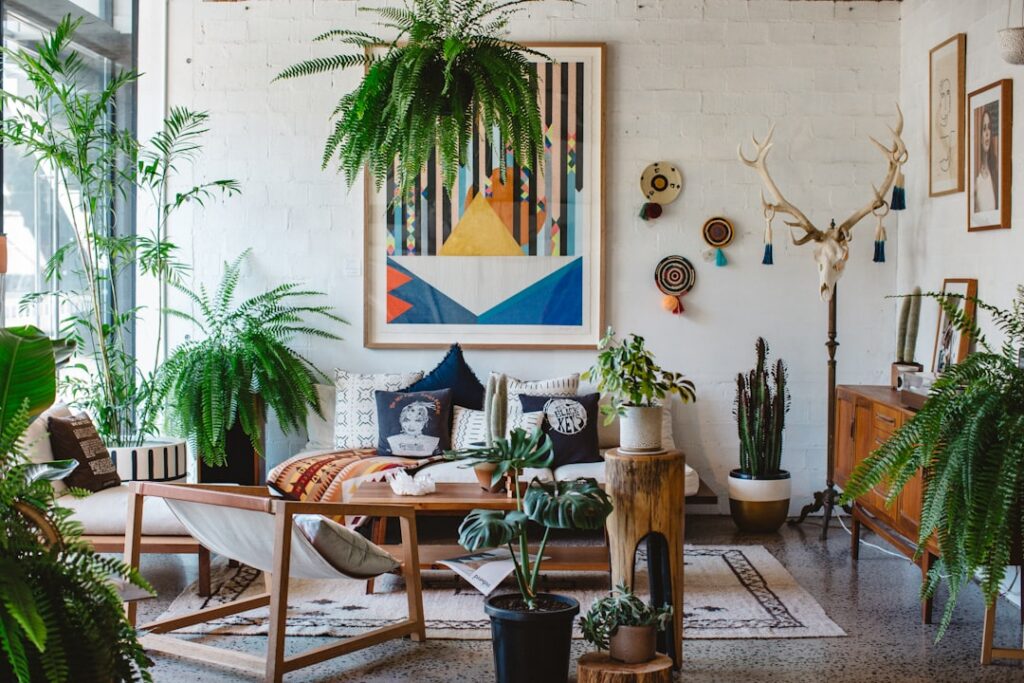 A lovely display of thriving hanging plants can brighten any corner of your home.
Essential Care Tips for Thriving Hanging Plants
Even the easiest plants appreciate a little tender loving care. Here are some general tips to keep your hangers happy:
Watering Wisdom
- Feel the Soil: Don’t just water on a schedule. Stick your finger an inch or two into the soil. If it feels dry, it’s likely time to water.
- Drainage is Key: Always use pots with drainage holes! Hanging baskets sometimes have attached saucers, which can trap water. Ensure excess water can escape or is promptly emptied.
- Water Thoroughly: When you do water, water until it drains from the bottom. This ensures the entire root ball gets hydrated.
Light & Location
- Observe Your Plant: Yellowing leaves can signal too much light, while leggy growth with small leaves might mean not enough.
- Rotate Regularly: Plants tend to grow towards the light source. Rotating your hanging plant every week or two will encourage even growth.
Humidity Helpers
Many tropical hanging plants love humidity. If your home is dry, consider:
- Misting: A light misting a few times a week can help, especially in winter.
- Pebble Trays: Place a tray with pebbles and water beneath the plant (making sure the pot isn’t sitting in the water).
- Grouping Plants: Plants release moisture into the air, so grouping them together can create a mini-humid microclimate.
Feeding Your Foliage
During the growing season (spring and summer), a balanced liquid fertilizer diluted to half strength every 2-4 weeks can give your plants a boost. Reduce or stop fertilizing in fall and winter when growth slows.
Pruning for Fullness
Don’t be afraid to snip! Regular pruning encourages bushier growth and prevents your plant from getting too leggy. You can often propagate the cuttings to make new plants or share with friends!
Repotting Signals
If your plant seems to dry out very quickly, its roots are growing out of the drainage holes, or growth has stalled, it might be time for a slightly larger pot. Repot in spring or early summer, going up only one pot size.
Bringing It All Together: Your Thriving Hanging Garden
Starting a collection of hanging plants is a delightful way to add life, color, and a sense of calm to your home. With a little observation and these practical tips, you’ll be enjoying lush, cascading greenery in no time. Remember, gardening is all about learning and growing alongside your plants. Don’t be afraid to experiment, and most importantly, enjoy the process!
Happy gardening, neighbor!