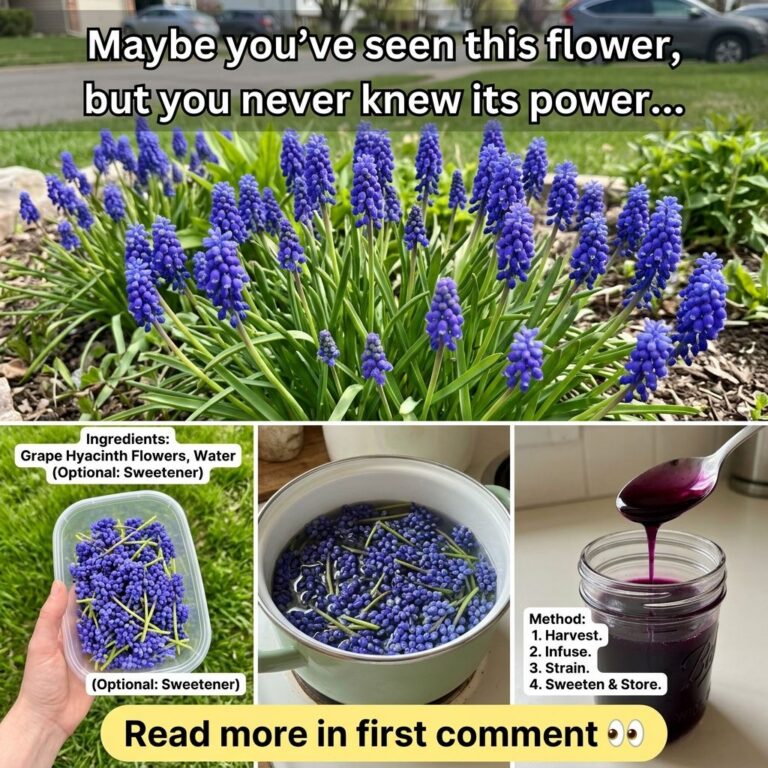
Most people walk right past them, admiring their fleeting spring beauty, but never truly seeing their hidden potential. The small, bell-shaped clusters of Grape Hyacinth (Muscari armeniacum) that dot gardens and wild spaces each spring are often dismissed as mere ornamental bulbs. Yet, this unassuming flower harbors a subtle power, a unique essence that, with a simple preparation, can be transformed into a beautiful, naturally vibrant tonic.
If you’ve ever found yourself intrigued by these common blue beauties, get ready to look at them in a completely new light. We’re going beyond the garden bed to discover how to harness the delicate qualities of Grape Hyacinth into a practical, homemade remedy.
What It Is: The Surprising Muscari Armeniacum
Grape Hyacinth refers to the genus Muscari, a group of perennial bulbous plants, with Muscari armeniacum being one of the most widespread and recognizable species. Named for its grape-like clusters of flowers, this resilient plant pops up reliably in spring, gracing gardens and wilder landscapes alike. While less extensively documented in historical texts than some other herbs, various Muscari species have seen limited traditional use in different cultures, often valued for their subtle, earthy notes.
Our focus today is on crafting a fresh, homemade infusion, a tonic that captures the flowers’ unique color and essence. It’s a simple, rewarding DIY project that connects you directly to the natural world.
Ingredients for Your Grape Hyacinth Tonic
Crafting your own Grape Hyacinth tonic requires just a few items, with the star ingredient being the freshly harvested flowers.
- Fresh Grape Hyacinth Flowers (Muscari armeniacum): Approximately 1-2 cups, loosely packed.
- Filtered Water: 2-3 cups.
- Optional: Natural Sweetener (e.g., honey, maple syrup) to taste.
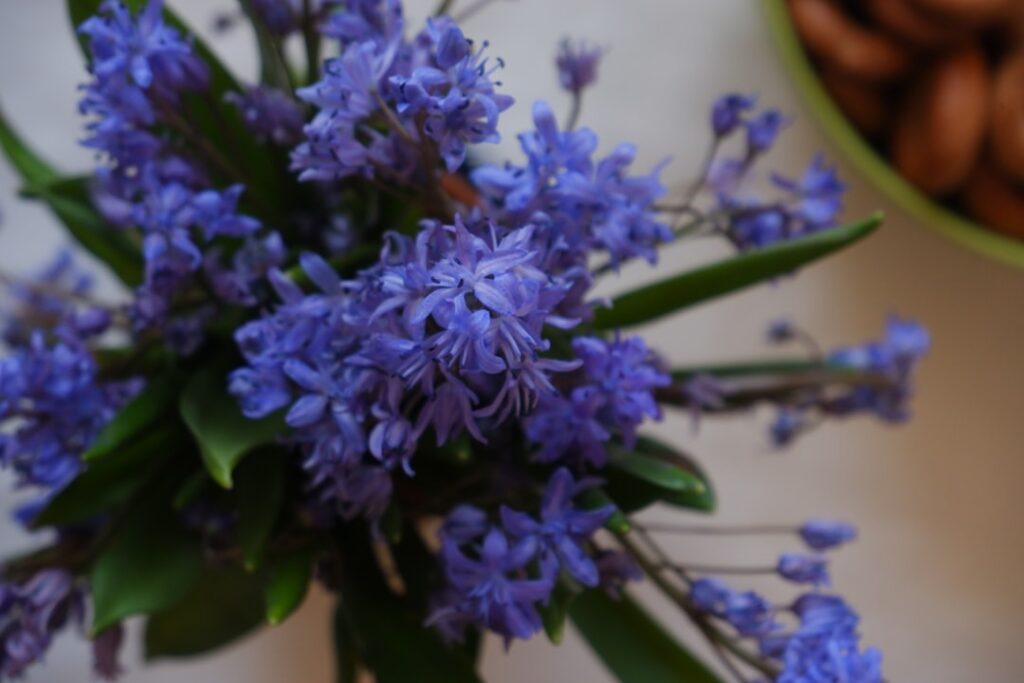
Approximate Measurements
- For a vibrant infusion, aim for a ratio of 1 part packed flowers to 2 parts water.
- So, if you collect 1 cup of flowers, use about 2 cups of filtered water.
- Adjust sweetener to your preference after the infusion is complete. Start with 1-2 teaspoons and add more if desired.
Formula / Recipe: Grape Hyacinth Flower Infusion
This simple formula transforms the fresh blooms into a vibrant, subtly aromatic liquid. The key is applying gentle heat to extract the beneficial compounds and stunning color without overcooking the delicate flowers.
Step-by-Step Method
- Harvest with Care: Choose healthy, fully bloomed Grape Hyacinth flowers. Pinch or snip them at the base of the flower stalk, leaving the leaves and bulb intact for the plant to continue growing. Avoid any plants that may have been sprayed with pesticides or are near busy roads.
- Rinse Gently: Briefly rinse the collected flowers under cool water to remove any dust or small insects. Pat them lightly dry with a clean cloth.
- Combine and Infuse: Place the rinsed flowers in a non-reactive saucepan (stainless steel or enamel works well). Pour filtered water over them, ensuring they are fully submerged.
- Gentle Simmer: Bring the water to a very gentle simmer over low-medium heat. It’s crucial not to boil vigorously. Allow it to simmer softly for 15-20 minutes, observing the water gradually turning a beautiful, deep purple hue.
- Cool and Strain: Remove the saucepan from the heat and let the mixture cool completely. Once cool, strain the liquid through a fine-mesh sieve or cheesecloth into a clean glass jar, pressing gently on the flowers to extract all liquid. Discard the spent flowers.
- Sweeten (Optional) & Store: If desired, stir in your chosen natural sweetener until dissolved. Taste and adjust. Your Grape Hyacinth tonic is now ready.
How to Use Your Grape Hyacinth Tonic
- As a Refreshing Tonic: Enjoy 1-2 tablespoons (diluted in water or sparkling water if too concentrated) daily. Its subtle, earthy-floral notes can be a unique, invigorating addition to your morning routine or as an afternoon pick-me-up.
- As a Gentle Skin Rinse: Dilute the tonic (1 part tonic to 2-3 parts water) and use as a facial rinse after cleansing. Simply dab onto the skin or use a cotton pad, then pat dry. Always patch test on a small area of skin first to check for any sensitivities.
- In Culinary Applications: A few drops of the concentrated tonic can add a unique color and subtle flavor to desserts, cocktails, or even a homemade vinaigrette.
How Often to Use It
- For internal use as a tonic, a small daily serving (1-2 tablespoons) for a period of 1-2 weeks at a time is generally suggested.
- For topical use, once daily or every other day, as part of your regular skin care routine. Always observe how your skin reacts and discontinue if irritation occurs.
Quick Tip: The vibrant color is a natural indicator of the infusion’s strength. A darker, richer purple indicates more pigment and essence have been extracted.
How to Buy / How to Choose Ingredients
Since Grape Hyacinth is not commonly sold as an edible herb or extract, foraging or cultivating your own is typically the best and most rewarding approach.
- Foraging:
- Identification is Key: Ensure you are 100% certain of your identification. Grape Hyacinth (Muscari armeniacum) has distinctive tightly clustered, urn-shaped, deep blue/purple flowers and slender, grass-like leaves.
- Avoid Contamination: Only forage from areas you know are free of pesticides, herbicides, and environmental pollutants (e.g., steer clear of roadsides, industrial zones, or conventionally managed lawns).
- Sustainable Harvest: Take only a small portion of flowers from any single patch, ensuring the plant can continue to thrive and reproduce. Always leave the bulbs undisturbed.
- Cultivating:
- Plant Grape Hyacinth bulbs in your garden in the fall for beautiful spring blooms. This ensures a clean, readily available supply for future remedies and culinary experiments.
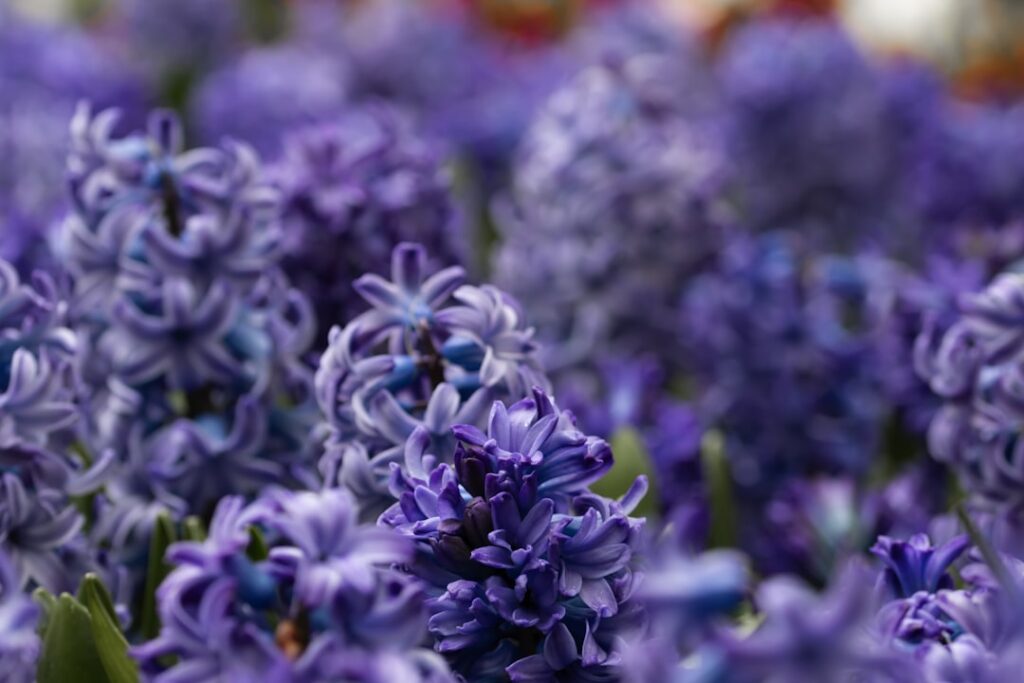
Identifying Grape Hyacinth: Key Features vs. Common Lookalikes
| Feature | Grape Hyacinth (Muscari) | Common Hyacinth (Hyacinthus) | Bluebell (Hyacinthoides) |
|---|---|---|---|
| Flower Shape | Small, tightly clustered, urn-shaped bells | Large, open, star-shaped bells, very fragrant | Bell-shaped, nodding, often one-sided |
| Flower Color | Deep blue-purple, sometimes white/pink | Wide range: blue, pink, purple, white, yellow | Blue, sometimes white/pink |
| Arrangement | Dense, conical clusters on a single stalk | Loose, upright spike of many large flowers | Loose spike, flowers typically hang from one side |
| Leaves | Slender, grass-like, usually 2-3 per plant | Broader, strap-like, glossy, 4-6 per plant | Narrow, strap-like, 3-6 per plant |
| Toxicity for Consumption | Flowers generally edible in small amounts; bulbs mildly toxic. | All parts toxic, especially bulbs. | All parts toxic. |
Before You Brew: Always double-check your plant identification. When in doubt, do not consume. Safety first!
Storage
Proper storage is crucial for maintaining the freshness and potency of your homemade tonic.
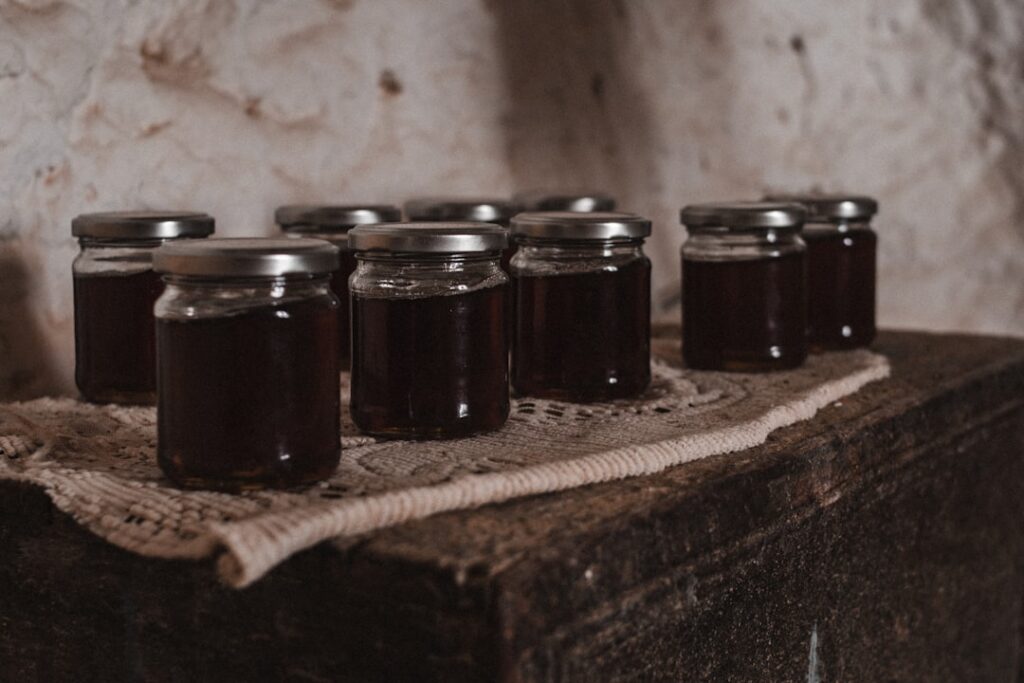
- Store your homemade Grape Hyacinth tonic in a clean, airtight glass jar in the refrigerator.
- It typically lasts for 5-7 days. If you notice any cloudiness, unusual smells, or mold growth, discard it immediately.
- For longer storage, you can freeze the tonic in ice cube trays. Once frozen, transfer the cubes to a freezer-safe bag. Thaw as needed for single servings.
Practical Tips
- Taste Test: The flavor of Grape Hyacinth is subtle and can be slightly earthy. Some find it pleasantly unique on its own, while others prefer a touch of sweetness to enhance it.
- Color Play: The stunning purple color of the tonic is pH-sensitive. A tiny splash of lemon juice will make it shift towards a beautiful pink, while a pinch of baking soda (not recommended for internal use, but interesting for observation) would deepen the blue.
- Batch Size: Start with a small batch to test your method and flavor preference before committing to a larger quantity. This allows you to fine-tune your technique.
Common Mistakes to Avoid
To ensure a safe and effective Grape Hyacinth tonic, be mindful of these common pitfalls:
- Misidentification: The most critical mistake. Confusing Grape Hyacinth with other, potentially toxic, blue-flowering bulbs (like Common Hyacinth or Bluebells) can have serious health consequences. Always be 100% sure of your plant identification.
- Over-boiling: Boiling the flowers too vigorously or for too long can degrade delicate compounds and dull the vibrant color. A gentle simmer is ideal for extraction.
- Harvesting Contaminated Flowers: Using flowers sprayed with chemicals or from polluted areas introduces unwanted substances into your remedy. Stick to clean, unpolluted sources.
- Improper Storage: Not refrigerating the tonic or using contaminated containers can lead to rapid spoilage and bacterial growth.
- Over-consumption: While generally considered safe in small amounts, excessive consumption of any new plant remedy is ill-advised. Moderation is key to responsible use.
Cautions / Who Should Avoid It
While Grape Hyacinth flowers are often considered edible in small quantities, their bulbs are mildly toxic and should not be consumed. Always exercise caution with any new remedy.
- Pregnancy and Breastfeeding: If you are pregnant or breastfeeding, consult a healthcare professional before incorporating any new herbal remedy into your routine.
- Allergies: If you have known allergies to other members of the Asparagaceae family (which includes Hyacinths), exercise caution and consider avoiding this tonic.
- Children: Avoid giving this tonic to young children without professional guidance.
- Medication Interactions: If you are currently on medication, consult your doctor or a qualified herbalist to rule out any potential interactions.
- Topical Use: Always perform a patch test on a small, inconspicuous area of your skin before applying the tonic widely as a skin rinse.
Read more: Understanding Plant Identification for Safe Foraging
Quick Summary
This Grape Hyacinth tonic offers a unique, visually striking, and subtly flavored natural infusion, easily made at home.
- Best Preparation: A gentle simmer of fresh flowers in filtered water.
- Best Use-Case: Enjoy as a refreshing daily tonic (internal) or apply as a gentle skin rinse (topical).
- Storage: Store in an airtight glass jar in the refrigerator for 5-7 days; can be frozen in ice cube trays for longer preservation.
- When to Use: Ideally prepared in spring, when Grape Hyacinth flowers are abundant and at their peak.
- What to Avoid: Crucial to avoid misidentification, harvesting contaminated flowers, and vigorous boiling during preparation.
FAQ
- Can I use dried Grape Hyacinth flowers for this tonic?
No, this recipe is specifically designed for fresh flowers to capture their vibrant color and delicate essence. Dried flowers would yield a very different, less vibrant result. - How long does the tonic last?
When stored properly in an airtight glass jar in the refrigerator, it typically lasts about 5-7 days. - Can I refrigerate the tonic?
Yes, refrigeration is absolutely essential for preserving the tonic and preventing spoilage. - How often should I use it?
For internal use as a tonic, 1-2 tablespoons daily. For topical use, once daily or every other day, always with a prior patch test. - Can I freeze the tonic for longer storage?
Yes, you can freeze it in ice cube trays. Once frozen, transfer the cubes to a freezer-safe bag for convenient, long-term storage. - What part of the plant is best to use for this tonic?
For this specific tonic, only the flowers are used. The bulbs of Grape Hyacinth are mildly toxic and should not be consumed. - Can I reuse the flowers after infusing them?
No, once infused, the flowers have released most of their beneficial compounds and color into the water. Discard them after straining. - When should I avoid using this tonic?
Avoid if pregnant, breastfeeding, currently taking medication, or if you have known allergies, without first consulting a healthcare professional. Always ensure correct plant identification.
Related guide: DIY Elderflower Cordial: A Summer Delight
Conclusion
The unassuming Grape Hyacinth is much more than just a pretty face in the spring garden. With a little care, accurate identification, and a simple preparation process, you can unlock its subtle power and create a unique, vibrant tonic that adds a touch of natural beauty and curiosity to your wellness routine. Embrace the unexpected, and let this humble flower surprise you with its understated charm and potential.