Protein is a cornerstone of a healthy diet, playing a vital role in everything from building muscle to balancing blood sugar and keeping us feeling full. Yet, navigating the world of protein can be tricky, with many common misconceptions about which foods are truly protein powerhouses. Often, foods we assume are rich in protein actually offer less than we think, while other, perhaps less glamorous options, pack a significant punch.
Today, we’re going to demystify some of the biggest protein illusions and shine a light on foods that can genuinely help you boost your protein intake and support your metabolic health. Let’s dive in!
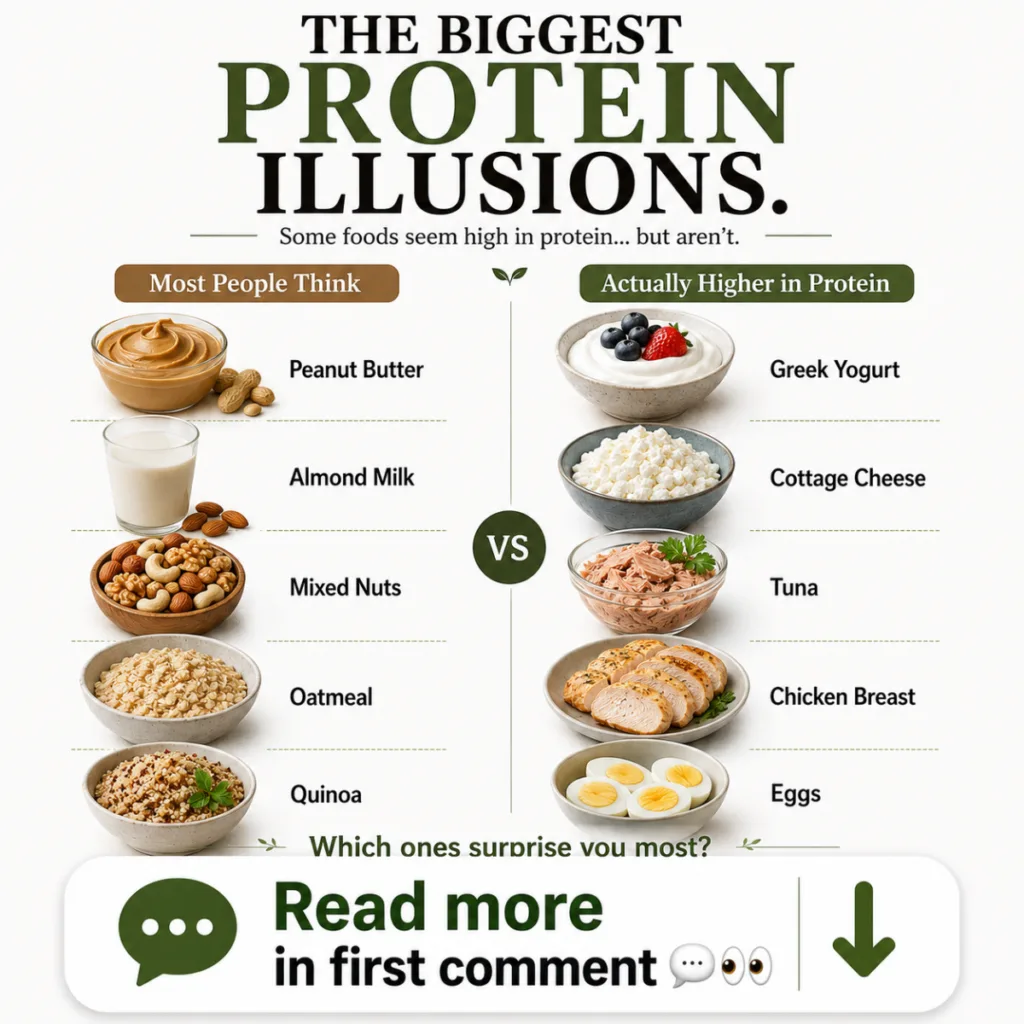 Uncover common protein misconceptions with this informative visual guide.
Debunking Common Protein Myths
It’s easy to fall into the trap of believing certain foods are protein-rich simply because they’re marketed as healthy or have some protein content. While many of these foods offer other fantastic benefits like fiber or healthy fats, they might not be your best bet for maximizing protein per serving.
1. Peanut Butter vs. Greek Yogurt
The Illusion: Peanut Butter. While delicious and a source of healthy fats and some plant-based protein, peanut butter’s protein content often gets overestimated. A standard 2-tablespoon serving provides around 7-8 grams of protein, but it also comes with about 16 grams of fat and nearly 200 calories. It’s a good snack, but not a primary protein source for most.
The Reality: Greek Yogurt. Opt for plain, non-fat Greek yogurt, and you’ll get a significantly higher protein yield with fewer calories and less fat. A 6-ounce serving can easily provide 15-20 grams of protein, along with beneficial probiotics for gut health. It’s incredibly versatile for breakfast, snacks, or even savory dishes!
- Swap Tip: Instead of relying on a spoonful of peanut butter for protein, pair it with Greek yogurt, or use Greek yogurt as a base for smoothies and parfaits.
2. Almond Milk vs. Cottage Cheese
The Illusion: Almond Milk. Often chosen as a dairy alternative, almond milk (especially unsweetened varieties) is very low in calories, which is great! However, its protein content is minimal, typically around 1 gram per cup. It’s largely water, making it a poor choice if you’re looking to boost your protein intake from your beverages.
The Reality: Cottage Cheese. This often-overlooked dairy gem is a protein powerhouse. A half-cup serving of low-fat cottage cheese can deliver 12-14 grams of protein for only about 80-100 calories. It’s also rich in casein protein, which digests slowly, keeping you feeling full longer.
- Swap Tip: Enjoy cottage cheese with fruit or a sprinkle of pepper and everything bagel seasoning for a satisfying protein-packed snack or light meal.
3. Mixed Nuts vs. Tuna or Chicken Breast
The Illusion: Mixed Nuts. Nuts are undeniably healthy, loaded with healthy fats, fiber, vitamins, and minerals. They do contain protein, but like peanut butter, their calorie density means you’d need to eat a lot to get substantial protein, which can quickly add up in calories. A quarter-cup of mixed nuts might give you 5-7 grams of protein for about 160-180 calories.
The Reality: Tuna or Chicken Breast. When it comes to lean, dense protein sources, canned tuna (in water) and skinless, boneless chicken breast are champions. A 3-ounce serving of either can provide 20-25 grams of high-quality protein for around 100-150 calories. They are excellent for muscle repair, satiety, and metabolic health.
- Swap Tip: Integrate canned tuna into salads or wraps, or opt for grilled chicken breast in your main meals instead of relying on nuts as your primary protein source.
4. Oatmeal vs. Eggs
The Illusion: Oatmeal. Oatmeal is a fantastic breakfast choice, offering complex carbohydrates and soluble fiber that’s great for heart health and digestion. However, a typical serving (half a cup dry) contains about 5-6 grams of protein. While good for sustained energy, it might not be enough to kickstart your day with adequate protein.
The Reality: Eggs. Often called nature’s perfect protein, eggs are an incredibly efficient source. A single large egg provides about 6 grams of complete protein, along with essential vitamins and healthy fats, all for just 70-80 calories. Eating two or three eggs provides a significant protein boost to your morning.
- Swap Tip: Boost your oatmeal by adding a scoop of protein powder, or better yet, pair it with a side of scrambled or hard-boiled eggs for a truly balanced breakfast.
5. Quinoa vs. Chicken Breast/Eggs (revisited)
The Illusion: Quinoa. Quinoa is celebrated as a ‘complete protein’ among plant-based foods, meaning it contains all nine essential amino acids. This is true and wonderful! However, in terms of protein density, it still doesn’t compare to animal sources. A half-cup of cooked quinoa offers about 4 grams of protein.
The Reality: Chicken Breast/Eggs. As we’ve seen, chicken breast and eggs offer significantly more protein per serving. While quinoa is a fantastic addition to any diet for its fiber and complete plant protein, it shouldn’t be your go-to when aiming for high protein targets in a meal, especially compared to lean animal proteins.
- Swap Tip: Use quinoa as a healthy carb base, but always pair it with a substantial protein source like chicken, fish, or legumes to create a well-rounded and satisfying meal.
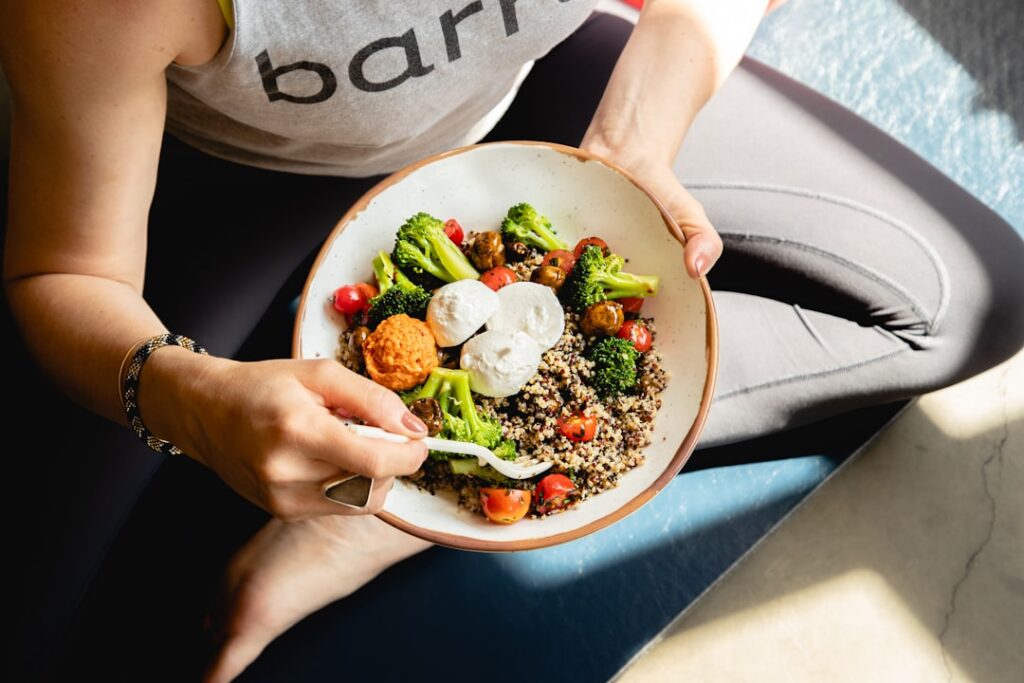 Crafting balanced meals with adequate protein is key for sustained energy and metabolic health.
Why Prioritizing Protein Matters for Busy Individuals
For busy, health-conscious individuals, understanding true protein sources is invaluable:
- Sustained Energy: Protein helps stabilize blood sugar, preventing the energy crashes that come from carb-heavy meals.
- Satiety & Weight Management: High-protein foods keep you feeling full longer, reducing the urge to snack unnecessarily.
- Muscle Maintenance: Essential for preserving muscle mass, which is crucial for a healthy metabolism as we age.
- Metabolic Health: Adequate protein intake supports overall metabolic function and can contribute to better blood sugar balance.
Smart Strategies to Boost Your Protein Intake
Now that you know which foods truly pack a protein punch, here are some actionable tips to incorporate them into your daily routine:
- Start with Protein: Make protein the first thing you think about for every meal. Build your plate around a lean protein source.
- Smart Snacking: Keep protein-rich snacks handy, like hard-boiled eggs, cottage cheese, Greek yogurt, or tuna pouches.
- Meal Prep Power: Cook a batch of chicken breast or fish at the beginning of the week to easily add to salads, wraps, or bowls.
- Fortify Your Favorites: Add protein powder to smoothies, or mix cottage cheese into scrambled eggs for an extra boost.
- Don’t Forget Plant Proteins: While we’ve highlighted animal proteins for density, don’t forget other plant-based options like lentils, beans, edamame, and tofu, which are also excellent and can be combined to form complete proteins.
Conclusion: Make Informed Choices for Your Health
By understanding the true protein content of your food, you can make more informed choices that align with your health goals. Shifting your focus from common protein illusions to actually high-protein foods can significantly impact your energy levels, satiety, and overall metabolic well-being. It’s about empowering yourself with knowledge to fuel your body effectively, without unnecessary complexity.
What protein illusions surprised you the most? Share your thoughts and favorite high-protein foods in the comments below!