Water: it’s the elixir of life, something we often take for granted. But did you know that the temperature of your water can significantly change how your body processes it, and even impact your overall health and well-being? It’s more than just a preference; it’s a science!
Many of us just reach for the nearest glass, without a second thought to whether it’s icy cold or comfortably warm. Yet, understanding the subtle differences each temperature brings can unlock new levels of hydration and comfort.
Today, we’re diving deep into the world of water temperatures, exploring what each one does for your body. Get ready to transform your daily hydration habits!
 Uncover the secrets behind your ideal water temperature for ultimate health.
Water Temperature Breakdown: What Each Sip Does For You
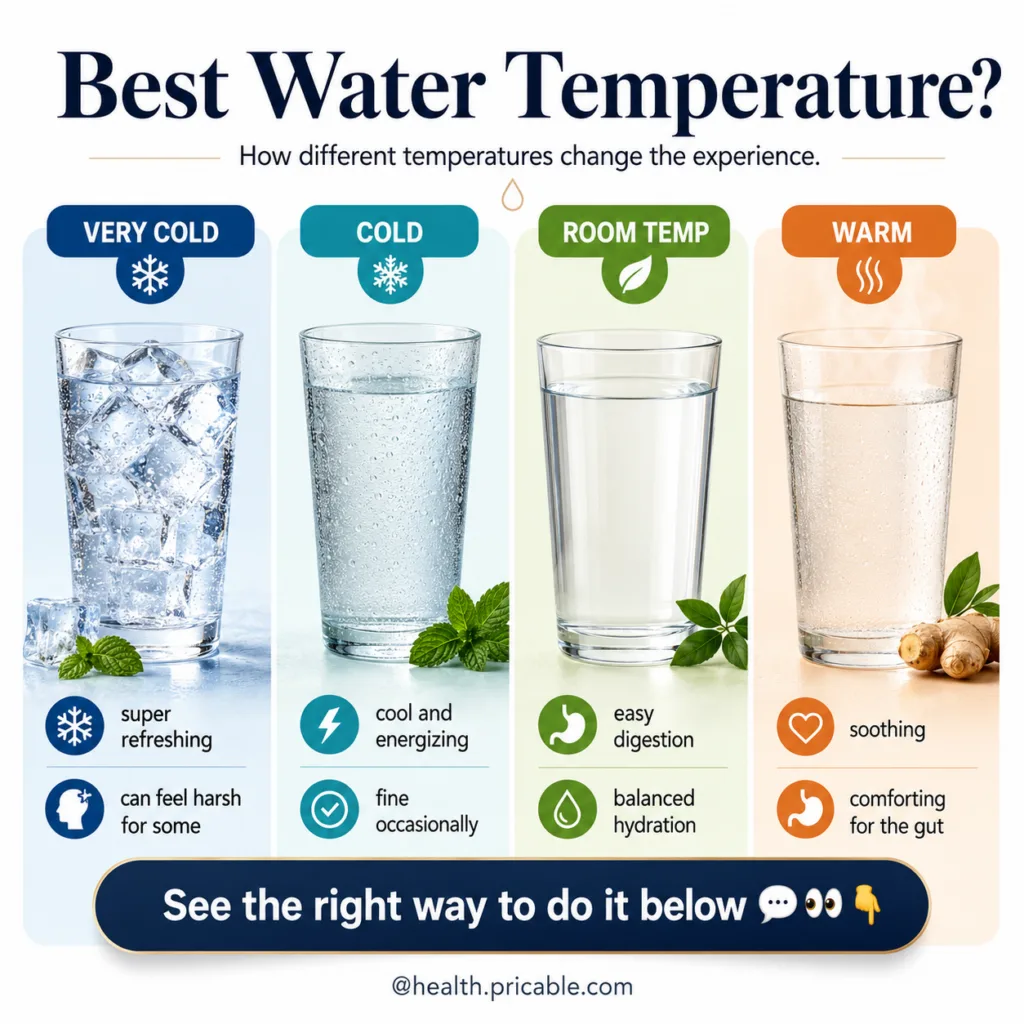
Let’s explore the unique qualities of very cold, cold, room temperature, and warm water. Each has its own set of benefits and considerations, making them suitable for different moments in your day.
Very Cold Water: The Shock to Your System
That ice-cold glass of water on a scorching day might feel amazing initially, but your body reacts to it in several interesting ways. It’s like a little workout for your internal system.
- Body Uses More Calories: To bring very cold water up to body temperature, your system has to expend extra energy. While this sounds like a bonus, the caloric burn is minimal and shouldn’t be relied upon for weight loss.
- Slows Metabolism Slightly: The body’s primary focus shifts to warming the water, which can momentarily slow down other metabolic processes.
- Constricts Blood Vessels: Cold temperatures cause blood vessels to constrict. This might be why some people experience headaches or ‘brain freeze’ from very cold drinks.
- Slows Nutrient Absorption: When your body is busy warming the water, its ability to efficiently absorb nutrients from food can be temporarily reduced.
- A Shock to the System: For some, especially those with sensitive digestive systems, very cold water can feel like a shock, potentially causing discomfort or cramping.
When to Consider It: Rarely, unless you’re trying to rapidly cool down after intense, strenuous activity in extreme heat, and even then, in moderation.
Cold Water: The Refreshing Rehydrator
A step up from ‘very cold,’ cold water (think chilled from the fridge) offers a wonderful balance of refreshment and efficiency, especially in certain situations.
- Refreshing and Wakes You Up: There’s nothing quite like a cold glass of water to feel invigorated and alert, making it a great morning pick-me-up.
- Rehydrates Quickly: Cold water is often easier to drink in larger quantities, which can lead to faster rehydration, especially when you’re parched.
- Good for Exercise Recovery: After a good workout, cold water helps cool your core body temperature and replenishes fluids lost through sweat, aiding in quicker recovery.
- Can Stimulate Digestion: For some, a cold glass of water can kickstart the digestive process, but this can vary per individual.
- Excellent for Hot Weather: When the mercury rises, cold water is your best friend for staying cool and preventing heat-related issues.
How to Add It: Keep a pitcher in the fridge. Grab a glass after your gym session or on a sunny afternoon.
Room Temperature Water: The Optimal Choice for All-Day Hydration
Often overlooked, room temperature water is a true unsung hero of daily hydration. It’s the Goldilocks choice – just right for consistent, gentle intake.
- Easy to Drink a Lot: Without the shock of cold or the warmth of heat, room temperature water is smooth and agreeable, making it simple to consistently meet your daily hydration goals.
- Optimal for Digestion: Your body doesn’t need to work to adjust its temperature, allowing digestive enzymes to function at their best. This means better breakdown of food and absorption of nutrients.
- Calming for the Body: It doesn’t cause any internal ‘shock’ or excessive stimulation, leading to a more harmonious internal environment.
- Gentle on the Throat and Stomach: For those with sensitivities, reflux, or respiratory issues, room temperature water is typically the most comfortable.
- Best for All-Day Hydration: Its agreeable nature makes it perfect for sipping consistently throughout the day without discomfort.
- Body Uses Minimal Energy to Process: Since it’s close to your internal temperature, your body expends almost no energy to process it, saving your system for other important tasks.
How to Add It: Keep a water bottle on your desk or carry one with you throughout the day. It’s the simplest way to stay hydrated.
Warm Water: The Soothing Elixir
Warm water, particularly in the mornings or evenings, can feel incredibly comforting and offers a unique set of benefits, often tied to traditional wellness practices.
- Soothes Digestion: A glass of warm water can help break down food in your stomach and promote smoother bowel movements, making it a gentle aid for occasional constipation.
- Relieves Congestion: The warmth can help thin mucus and open up airways, offering relief from nasal and chest congestion, similar to how a warm drink soothes a sore throat.
- Promotes Relaxation and Calms the Nervous System: Sipping warm water can have a calming effect on the nervous system, helping to reduce stress and promote a sense of well-being, especially before bed.
- Helps Detox: Warm water can gently raise your core body temperature, encouraging sweating and aiding your body’s natural detoxification processes.
- Increases Blood Circulation: The warmth can help expand blood vessels, promoting better blood flow throughout your body.
How to Add It: Start your day with a glass of warm lemon water, or enjoy a cup before bed to unwind. Try it with a slice of ginger or a pinch of turmeric for an extra boost.
How to Choose Your Perfect Sip Throughout the Day
Now that you know the ins and outs of each temperature, how do you decide what’s best for you? It really depends on your immediate needs and the time of day.
- Morning Boost: Many find starting with warm water (perhaps with lemon) beneficial for digestion and a gentle wake-up.
- Workout Warrior: Cold water can be your best friend during or after intense exercise to cool down and rehydrate rapidly.
- All-Day Hydration: Room temperature water is ideal for continuous sipping, ensuring steady hydration without taxing your system.
- Evening Wind-Down: A warm glass of water can be part of a relaxing bedtime routine, helping you to calm down before sleep.
- Feeling Under the Weather? Warm water can soothe a sore throat or help with congestion.
Listen to your body. Pay attention to how different temperatures make you feel. Your unique preferences and health conditions should always guide your choices.
When You’ll Notice Changes: Your Hydration Timeline
The beauty of good hydration is that you often feel the benefits quite quickly! While major overhauls take time, subtle improvements can be felt almost immediately.
- Immediate Relief: Feeling thirsty? A glass of cold or room temperature water will bring almost instant relief.
- Within a Day: You might notice improved energy levels, better concentration, and less fatigue if you consistently hydrate with your optimal temperature choices.
- Within a Week: Regular, adequate hydration can lead to softer skin, more consistent bowel movements (especially with warm water), and a general feeling of vitality.
- Long-Term Benefits: Consistent healthy hydration supports kidney function, joint health, and overall cellular well-being, contributing to a healthier you in the long run.
Remember, consistency is key. Don’t expect miracles overnight, but do expect a healthier, happier body with mindful hydration.
Tips to Hydrate Effectively
Making smart water choices is just one piece of the puzzle. Here are some extra tips to ensure you’re truly hydrating effectively:
- Keep it Visible: Always have a water bottle or glass within sight. This simple trick serves as a constant reminder to drink.
- Flavor it Naturally: If plain water isn’t exciting enough, infuse it with fruits like cucumber, lemon, berries, or herbs like mint. This adds flavor without artificial ingredients.
- Set Reminders: Use an app or set alarms on your phone to prompt you to drink water throughout the day, especially if you get busy.
- Hydrate Before Meals: Drinking a glass of water about 30 minutes before meals can aid digestion and help you feel satiated, preventing overeating.
- Eat Your Water: Don’t forget that many fruits and vegetables, like watermelon, cucumber, and oranges, have high water content and contribute to your daily fluid intake.
Quick Notes & Safety
While water is generally safe, it’s good to keep a few things in mind:
- Listen to Your Body: If any water temperature causes discomfort (e.g., severe stomach upset from cold water), adjust to what feels best for you.
- Medical Conditions: If you have specific medical conditions, especially related to digestion, kidney function, or heart health, consult with your doctor about your ideal hydration strategies.
- Hyponatremia Risk: While rare, drinking excessive amounts of water very quickly can lead to hyponatremia (low sodium levels). Sip steadily rather than chugging large volumes.
Ultimately, the “best” water temperature is the one that encourages you to drink enough water consistently. By understanding how each temperature interacts with your body, you can make informed choices that support your well-being every single day.
So, next time you reach for a glass of water, pause for a moment. What does your body need right now? A refreshing chill, a comforting warmth, or the gentle neutrality of room temperature? Your body will thank you for the thoughtful sip!
Related Science & Further Reading:
- Explore studies on thermoregulation and fluid absorption in the human body.
- Research the role of water in metabolic processes and digestion.
- Investigate the impact of hydration on cognitive function and physical performance.