Do you often wake up feeling puffy, heavy, or just generally bloated? Water retention, or edema, is a common issue that can leave you feeling uncomfortable and sluggish. While it can be caused by various factors like diet, hormonal changes, or prolonged standing, the good news is that nature offers a bounty of natural diuretics that can help your body gently flush out excess fluids.
Incorporating natural diuretics into your diet can be a simple, effective way to reduce water weight, alleviate puffiness, and support overall fluid balance. These foods and drinks work by helping your kidneys excrete more sodium and water through urine, without typically causing the harsh side effects sometimes associated with synthetic diuretics.
Ready to say goodbye to that uncomfortable feeling? Let’s explore 12 powerful natural allies that can help you feel lighter, more comfortable, and refreshed.

Unlock a Lighter You: 12 Natural Diuretics to Flush Water Weight
From refreshing beverages to crisp vegetables, these natural powerhouses can be easily integrated into your daily routine. Here’s how each one helps in your quest to combat bloating and excess water weight:
1. Celery Juice: High in Potassium & Phthalides
Celery juice has soared in popularity, and for good reason. It’s a natural diuretic due to its high water content and potassium. Potassium helps to balance sodium levels in the body, which can contribute to water retention. Additionally, celery contains compounds called phthalides, which may help relax arterial walls, potentially improving blood flow and aiding in the elimination of excess fluids.
- How to Enjoy: Drink 8-16 ounces of fresh celery juice on an empty stomach daily for best results.
2. Cucumber Slices: Caffeic Acid Anti-swelling
Cucumbers are a hydrating wonder, composed of over 95% water. This high water content naturally encourages urination. They also contain caffeic acid, an antioxidant that has anti-swelling properties and helps reduce water retention. Furthermore, the silica in cucumbers is great for connective tissue health.
- How to Enjoy: Add slices to your water, salads, or blend into smoothies.
3. Dandelion Tea: Potassium-Rich & Cleansing
Often overlooked, the humble dandelion is a powerful natural diuretic. Dandelion tea is rich in potassium, which helps replenish electrolytes that might be lost as your body flushes out excess water. It has a long history of traditional use for supporting liver and kidney function, aiding the body’s natural detoxification processes.
- How to Enjoy: Steep 1-2 teaspoons of dried dandelion root or leaf in hot water for 5-10 minutes. Enjoy 1-3 cups daily.
4. Cranberry Juice: Antioxidants & UTI Support
Beyond its well-known benefits for urinary tract health, cranberry juice is also a mild natural diuretic. Its high antioxidant content supports overall health, while compounds in cranberries may help increase urine output. Remember to opt for unsweetened cranberry juice to avoid added sugars that can counteract its benefits.
- How to Enjoy: Drink 4-8 ounces of unsweetened cranberry juice, diluted with water if preferred.
5. Hibiscus Tea: Flavonoids & Mineral Balance
This vibrant, tart tea is more than just a refreshing drink. Hibiscus tea contains flavonoids and other phytochemicals that may act as natural diuretics, helping to increase the excretion of water and sodium. Studies suggest it can also help maintain electrolyte balance, which is crucial when your body is expelling fluids.
- How to Enjoy: Steep dried hibiscus flowers in hot water for 5-7 minutes. Enjoy hot or cold.
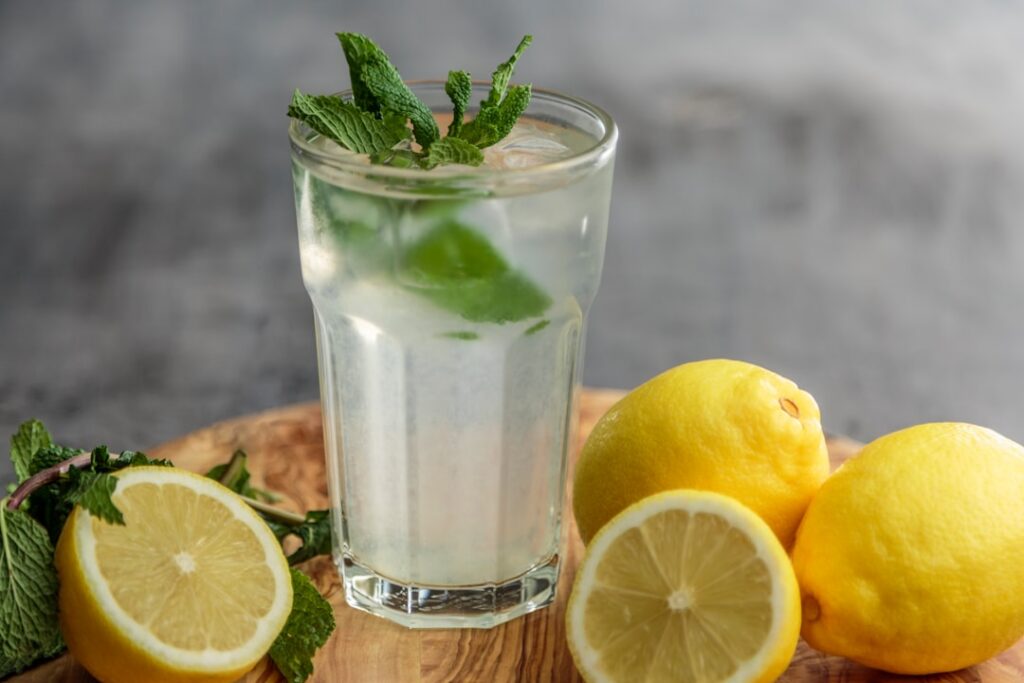
6. Lemon Water: Electrolytes & Detox Support
Simple yet effective, lemon water is a fantastic way to kickstart your day. Lemons provide essential electrolytes like potassium, which aids in fluid balance. The citric acid helps stimulate digestive enzymes and supports liver function, assisting the body’s natural detox pathways and gently encouraging fluid elimination. Staying well-hydrated is key to reducing water retention.
- How to Enjoy: Squeeze half a fresh lemon into a glass of warm or cold water each morning.
7. Asparagus: Asparagine & Amino Acids
Asparagus is a nutritional powerhouse known for its distinct effect on urine. This is largely due to asparagine, an amino acid that has a direct diuretic effect, stimulating kidney activity and increasing urine production. It’s also rich in fiber, which supports healthy digestion and can further reduce bloating.
- How to Enjoy: Steam, roast, or grill asparagus spears as a side dish with your meals.
8. Watermelon: Citrulline & Hydration
True to its name, watermelon is over 90% water, making it incredibly hydrating. It contains citrulline, an amino acid that the body converts into arginine. Arginine helps relax blood vessels, which supports kidney function and aids in the efficient excretion of excess fluids. It’s a delicious way to replenish fluids while also helping to flush them out.
- How to Enjoy: Snack on fresh watermelon slices, or blend into a refreshing juice or smoothie.
9. Ginger Tea: Anti-inflammatory & Digestive
While not a direct diuretic in the same way as some other items on this list, ginger is incredibly effective at reducing bloating and discomfort caused by digestive issues, gas, or inflammation. By calming the digestive system and promoting healthy gut motility, ginger indirectly helps you feel lighter and less puffy.
- How to Enjoy: Steep fresh ginger slices in hot water for 5-10 minutes. Add lemon and honey if desired.
10. Horsetail Tea: Silica & Kidney Support
Horsetail is an ancient herbal remedy often used for its diuretic properties. It’s rich in silica, a compound believed to be responsible for its ability to increase urine flow. Traditionally, horsetail tea has been used to support kidney and urinary tract health, making it a valuable addition for managing water retention.
- How to Enjoy: Use dried horsetail herb to brew a tea. Consult a healthcare professional before regular use, especially if you have kidney conditions.
11. Parsley: Apigenin & Vitamin K
More than just a garnish, parsley is a potent herb with natural diuretic qualities. It contains apigenin, a flavonoid that helps to increase urine volume, aiding in the excretion of excess sodium and water. Parsley is also packed with Vitamin K and other essential vitamins and minerals, contributing to overall health.
- How to Enjoy: Add fresh chopped parsley generously to salads, soups, and savory dishes.
12. Apple Cider Vinegar (ACV): Acetic Acid & pH Balance
Apple cider vinegar, with its active component acetic acid, is renowned for numerous health benefits, including aiding digestion and balancing pH levels. While not a direct strong diuretic, ACV can help reduce bloating associated with poor digestion and can support the body’s natural mechanisms for fluid balance. Some believe it helps alkalize the body, which may indirectly assist in reducing water retention.
- How to Enjoy: Mix 1-2 tablespoons of raw, unfiltered ACV in a glass of water, consumed once or twice daily before meals.
Beyond the Sips and Bites: Other Tips for Reducing Water Weight
While these natural diuretics can be incredibly helpful, remember that they work best as part of a holistic approach to wellness:
- Stay Hydrated: It may seem counterintuitive, but drinking enough water signals to your body that it doesn’t need to hold onto excess fluids. Aim for at least 8 glasses a day.
- Reduce Sodium Intake: High sodium levels are a primary cause of water retention. Limit processed foods, canned goods, and excessive salt.
- Increase Magnesium Intake: Magnesium is an important mineral that can help regulate fluid balance. Foods like dark leafy greens, nuts, seeds, and dark chocolate are good sources.
- Regular Exercise: Physical activity helps improve circulation and makes you sweat, which are natural ways to excrete excess fluid and sodium.
- Elevate Your Legs: If water retention is due to prolonged standing, elevating your legs can help fluid drain back towards your core.
When to Consult a Professional
While occasional bloating and water retention are common, persistent or severe swelling, especially in your legs, ankles, or hands, accompanied by pain or other symptoms, should always be evaluated by a healthcare professional. They can rule out underlying medical conditions and provide appropriate guidance.