Want to feel strong, energetic, and vibrant no matter your age? Staying active is a powerful and enjoyable way to ‘age-proof’ your health. Just like nourishing your body with wholesome foods, engaging in regular physical activity is fundamental to feeling your best, inside and out. It’s not about achieving Olympic feats, but about maintaining your independence, vitality, and enjoyment of life.
Many people wonder what kind of fitness is appropriate as they get older, or what they should aim for. The good news is that fitness is accessible at every stage of life, and setting realistic, encouraging benchmarks can help guide your journey.

Why Fitness Matters as You Age
As we get older, our bodies naturally experience changes. Muscle mass can decrease, bones might become less dense, and flexibility can diminish. However, consistent physical activity can significantly mitigate these effects, helping you to:
- Maintain muscle strength and bone density.
- Improve balance and reduce the risk of falls.
- Boost cardiovascular health and circulation.
- Enhance mood and cognitive function.
- Increase energy levels and overall quality of life.
It’s about living life to the fullest, continuing to do the things you love, and enjoying time with family and friends without limitations.
Understanding Fitness Benchmarks by Age
While specific ‘benchmarks’ can offer guidance, remember they are general guidelines, not strict rules. The most important thing is to listen to your body, consult with your doctor before starting any new fitness routine, and focus on consistent progress. Here are some areas to consider:
Strength Training Benchmarks
Strength training helps maintain muscle mass, which is crucial for everyday tasks like carrying groceries, lifting grandchildren, or opening jars. Aim for functional strength that supports your daily activities.
- For ages 50-65: Aim to perform 8-12 repetitions of exercises like squats, lunges, push-ups (modified as needed), and rows with good form. You should feel challenged by the last few reps but still be able to complete them.
- For ages 65+: Focus on maintaining strength for daily activities. Can you stand up from a chair without using your hands? Can you carry a light bag of groceries? Bodyweight exercises like chair squats, wall push-ups, and resistance band work are excellent choices.
Practical Tip: Start with bodyweight exercises or light dumbbells. Focus on slow, controlled movements and proper form. Consistency, even twice a week, makes a big difference.
Cardiovascular Health Benchmarks
Cardio keeps your heart healthy, improves stamina, and helps manage weight. It’s about getting your heart rate up and sustaining it for a period.
- For ages 50-65: Aim for at least 150 minutes of moderate-intensity aerobic activity (like brisk walking, swimming, or cycling) per week, or 75 minutes of vigorous activity. You should be able to hold a conversation but not sing.
- For ages 65+: Continue with moderate-intensity activities. Can you walk for 30 minutes comfortably? Can you climb a flight of stairs without excessive breathlessness? Activities like brisk walking, dancing, or gardening can be great for your heart.
Practical Tip: Break up your activity. Three 10-minute brisk walks are as beneficial as one 30-minute walk. Find activities you enjoy to make it sustainable.
Flexibility and Balance Benchmarks
Flexibility helps prevent stiffness and maintains your range of motion, while good balance reduces the risk of falls.
- For ages 50-65: Can you touch your toes (or get close) comfortably? Can you stand on one leg for 10-15 seconds without losing balance? Regular stretching and activities like yoga can improve both.
- For ages 65+: Can you comfortably reach overhead or behind your back? Can you stand on one leg for 5-10 seconds? Simple stretches for major muscle groups and balance exercises like heel-to-toe walking or Tai Chi are highly beneficial.
Practical Tip: Incorporate gentle stretching into your daily routine. Hold stretches for 20-30 seconds. For balance, stand near a counter or wall for support initially.
Your Journey to Active Aging
Remember, these benchmarks are a starting point. Your personal fitness journey should be tailored to your capabilities and preferences. Here are some steps to get started:
- Start Small: Even a 10-minute walk or a few minutes of stretching can make a difference. Gradually increase duration and intensity.
- Listen to Your Body: If something hurts, stop. Exercise should feel challenging, not painful.
- Find What You Enjoy: Whether it’s dancing, swimming, hiking, or group fitness classes, finding an activity you love will help you stick with it.
- Stay Consistent: Regularity is key. Aim for a few times a week rather than sporadic intense workouts.
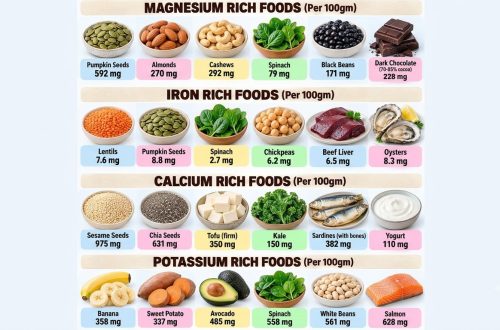
- Fuel Your Body: Combine your active lifestyle with wholesome, nutrient-rich foods to support your energy and recovery.
A Positive Outlook
Age-proofing your health isn’t about turning back the clock; it’s about making every year count. It’s about feeling empowered, capable, and full of life. Embracing fitness at any age means embracing a future filled with possibility.
What’s one small, positive step you’re taking for your health today?