Do you have a spot under a mature tree that just refuses to grow anything beautiful? That bare, dry patch of ground with exposed roots can feel like a gardening challenge. But what if I told you it could be one of the most serene and beautiful spots in your garden, a peaceful retreat that also benefits your beloved trees?
Many of us dream of a lush landscape, but those areas directly beneath large trees often present unique difficulties. The good news is, with a little know-how and a touch of creativity, you can turn that tricky bare ground into a vibrant shade garden. And the best part? You can do it in a way that truly protects and nurtures your trees.
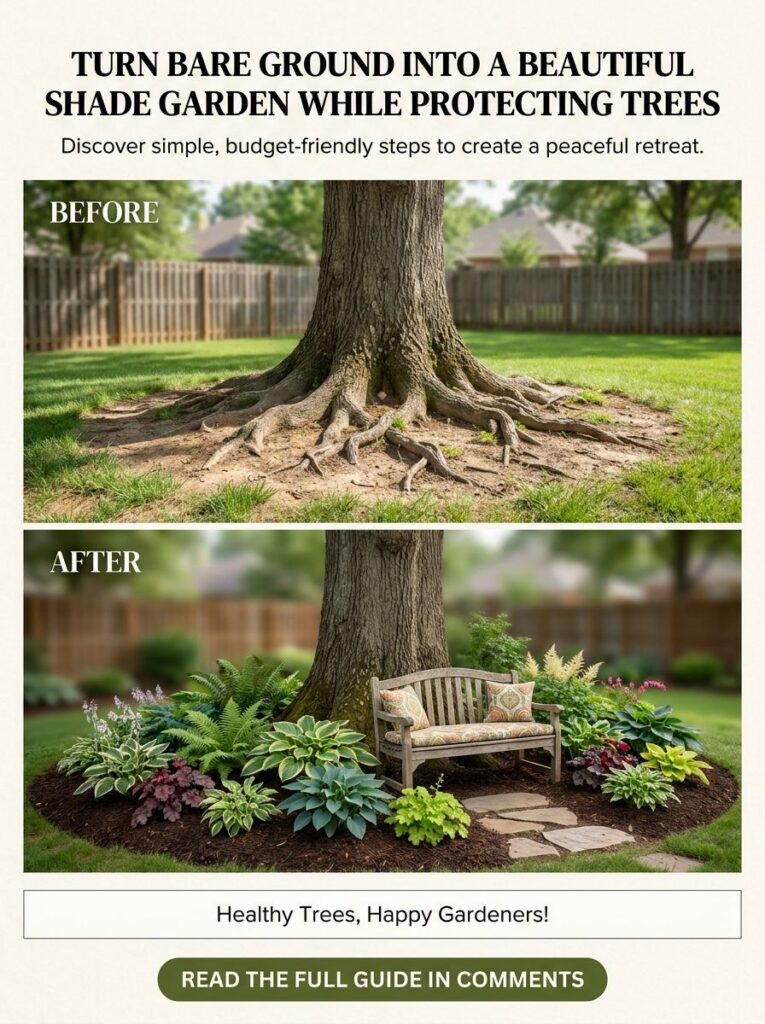
Why Garden Under Trees? It’s More Than Just Beauty!
Creating a garden bed beneath your trees isn’t just about aesthetics; it brings a host of benefits:
- Enhanced Curb Appeal: A well-designed garden bed instantly elevates the look of your yard, adding structure and color.
- Improved Soil Health: Adding organic matter and mulch can improve soil structure and moisture retention, which can indirectly benefit the tree over time.
- Weed Suppression: A dense planting of shade-loving groundcovers and plants helps naturally suppress weeds, reducing maintenance.
- Erosion Control: Plants and mulch help stabilize the soil, preventing erosion around tree roots.
- Wildlife Habitat: A diverse planting can attract beneficial insects, birds, and other small critters, enriching your garden ecosystem.
The Golden Rule: Prioritize Your Tree’s Health
Before you even think about shovels and plants, remember this: your tree’s health comes first. Large trees have extensive root systems, often spreading far beyond their canopy. These roots need oxygen, water, and space. Aggressive digging or piling too much soil can suffocate or damage them.
Understanding Your Tree’s Root Zone
The critical area for your tree is the ‘drip line’ (the edge of its canopy) and often extends much further. Most of a tree’s feeder roots, which absorb water and nutrients, are surprisingly shallow, often in the top 6-12 inches of soil. This means we need to be incredibly gentle.
Choosing the Right Plants for Your Shade Garden
Not all plants love the shade, and certainly not all plants appreciate competition with hungry tree roots. The key is selecting plants that naturally thrive in low light and are somewhat drought-tolerant once established, as they’ll be competing with the tree for moisture.
- Shade Lovers: Look for plants explicitly labeled for ‘full shade’ or ‘partial shade’.
- Drought Tolerant: Even shade plants will need extra water initially, but choosing varieties that can handle drier conditions once established is a smart move.
- Native Plants: Often, native plants are excellent choices as they are adapted to local conditions and can thrive with less intervention.
- Consider Your USDA Hardiness Zone: Always check if a plant is suitable for your specific climate zone to ensure its long-term success.
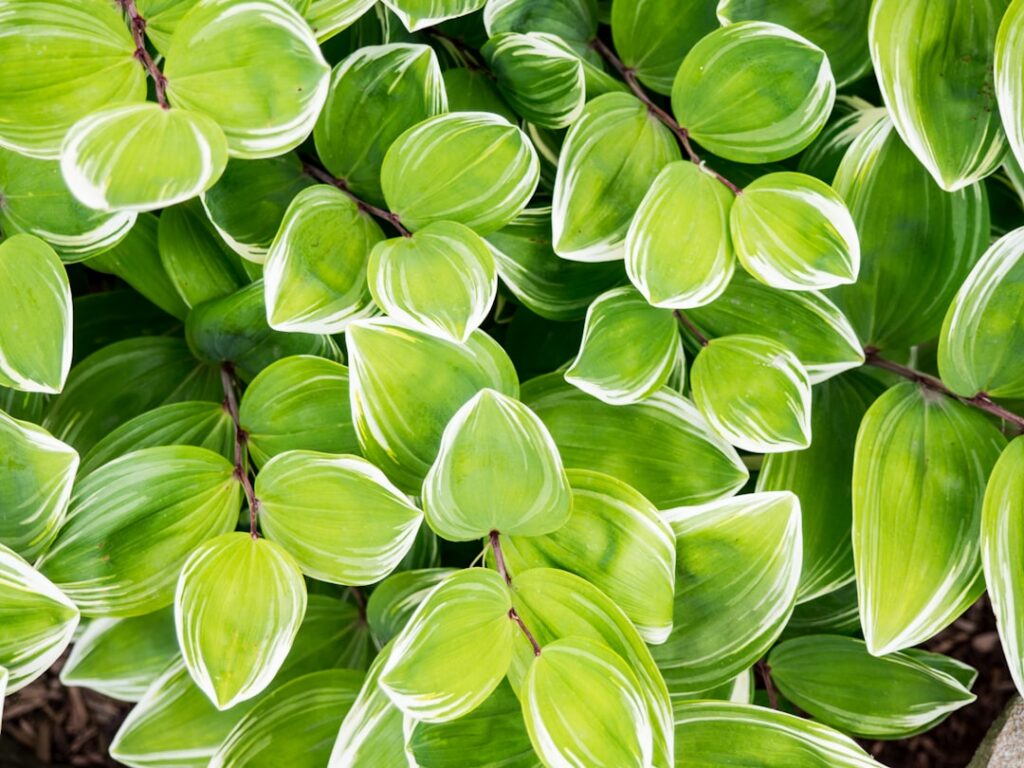
Your Step-by-Step Guide to a Beautiful, Tree-Friendly Shade Garden
Step 1: Planning and Preparation – Gentle Beginnings
- Observe Your Space: Spend a few days observing the light. Is it deep shade all day? Does it get a little morning sun? This will help you choose the right plants.
- Define Your Edge: Use a garden hose or rope to lay out the shape of your new garden bed. A smooth, organic curve often looks best around trees.
- Clear Gently: Remove any existing weeds carefully by hand. Avoid heavy digging or tilling that could damage tree roots. If you encounter large roots, work around them.
Step 2: Building the Foundation – Nourishing the Soil
- Add a Thin Layer of Compost: Instead of digging, spread a 1-2 inch layer of well-rotted compost or other organic matter over the soil. This enriches the soil from the top down without disturbing roots.
- Mulch is Your Friend: Apply a 2-4 inch layer of organic mulch (like aged wood chips or shredded leaves) over the entire bed. Keep it a few inches away from the tree trunk to prevent moisture buildup and disease. Mulch helps retain moisture, suppress weeds, and slowly adds nutrients.
Step 3: Planting with Care
- Choose Appropriately Sized Plants: Start with smaller plants. They establish more easily and are less likely to require extensive root ball manipulation.
- Digging & Placement: When planting, dig holes just large enough for the root ball using a hand trowel. If you hit a large tree root, simply move your planting spot slightly. Do not cut large tree roots.
- Planting Depth: Ensure the top of the plant’s root ball is level with the surrounding soil. Backfill gently and lightly firm the soil around the plant.
Step 4: Watering and Ongoing Care
- Initial Watering: Water your newly planted garden thoroughly. This helps settle the soil and reduce transplant shock.
- Consistent Moisture: For the first year, your new shade garden will need consistent watering, especially during dry spells, as the tree will be competing for moisture.
- Monitor and Adjust: Keep an eye on your plants. If they look stressed, they might need more water or a different location.
Common Pitfalls to Avoid
- Piling Soil Against the Trunk: Never mound soil against the tree trunk. This can lead to rot and pest issues. Keep the root flare (where the trunk widens at the base) exposed.
- Over-Digging: As mentioned, excessive digging can severely damage a tree’s root system, potentially harming or even killing the tree over time.
- Overwatering Established Plants: While new plants need water, overwatering established shade gardens can lead to root rot for both the garden plants and the tree.
- Planting Thirsty Plants: Avoid plants with high water requirements, as they will constantly compete with the tree and likely struggle.
Transforming the bare ground under your trees is a rewarding project that marries beauty with ecological responsibility. By understanding your tree’s needs and choosing the right plants, you can create a stunning and sustainable shade garden that truly thrives. It’s a journey that builds your skills, deepens your connection with nature, and leaves you with a peaceful garden oasis.
Ready to turn that challenging spot into your favorite garden retreat? Grab your trowel and let’s get started!