Your Green Guide to Vitamin K
Have you ever wondered which vibrant green vegetables are truly nutritional powerhouses? When it comes to Vitamin K, many common greens stand out as exceptional sources, playing a vital role in keeping your body running smoothly. Let’s dive into the world of Vitamin K and discover how these everyday veggies can help boost your essential nutrient intake!
At Wellness Daily, we believe in empowering you with knowledge about the foods you eat. Understanding the benefits of key nutrients like Vitamin K can help you make informed choices for a healthier lifestyle.
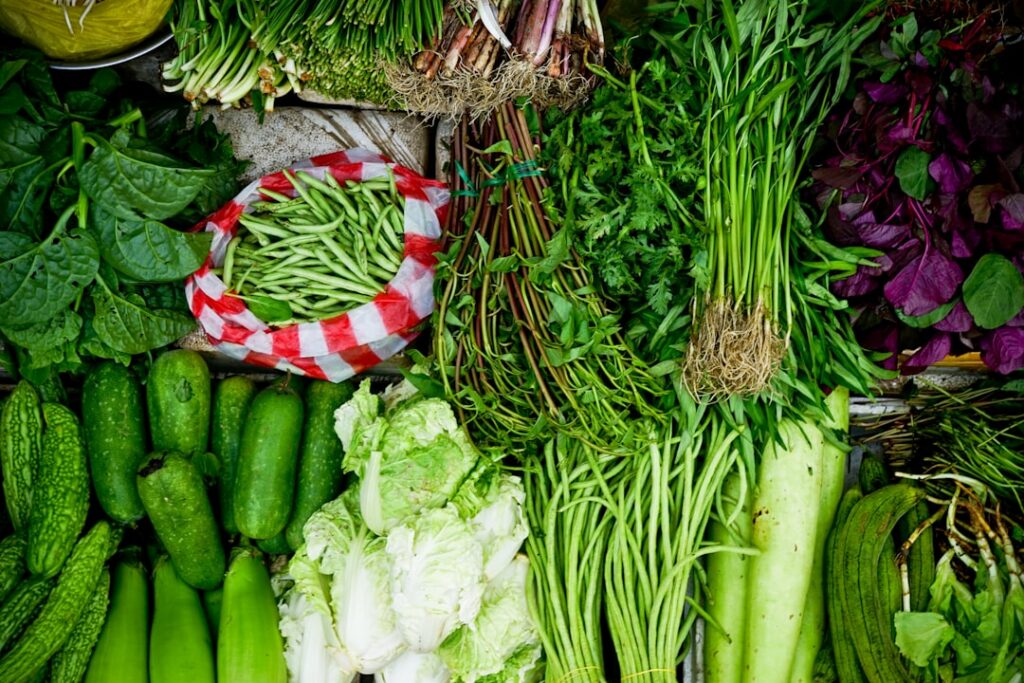
What is Vitamin K and Why Do You Need It?
Vitamin K is a fat-soluble vitamin that is essential for several critical bodily functions. It’s often talked about in two main forms:
- Vitamin K1 (phylloquinone): Found primarily in green leafy vegetables, K1 is well-known for its role in blood clotting.
- Vitamin K2 (menaquinone): Found in some animal products and fermented foods, K2 is gaining recognition for its involvement in bone and cardiovascular health.
The Key Benefits of Vitamin K
This often-overlooked nutrient offers a range of important health benefits:
- Blood Clotting: Perhaps its most famous role, Vitamin K is crucial for the production of proteins that enable blood to clot properly, helping to stop bleeding after an injury.
- Bone Health: Research suggests that Vitamin K helps regulate calcium in the body, which is vital for maintaining strong, healthy bones. It may support bone density and reduce the risk of fractures.
- Heart Health: Vitamin K2, in particular, is associated with directing calcium away from soft tissues like arteries and into the bones, potentially supporting cardiovascular health.
Top Green Powerhouses of Vitamin K
Many popular greens are incredibly rich in Vitamin K. Incorporating a variety of these into your diet can significantly boost your intake.
1. Kale
Often hailed as a superfood, kale is an absolute champion when it comes to Vitamin K. Just one cup of raw kale contains several times the recommended daily intake. It’s also packed with other vitamins, minerals, and antioxidants.
- How to enjoy: Sautéed, in smoothies, baked into crispy chips, or as a base for salads.
2. Spinach
Another leafy green superstar, spinach is readily available and versatile. It’s a fantastic source of Vitamin K1, along with iron and other essential nutrients.
- How to enjoy: In salads, cooked into omelets, added to pasta dishes, or blended into green juices.
3. Collard Greens
These hearty greens, popular in Southern cuisine, are loaded with Vitamin K. They have a slightly bitter taste that mellows with cooking.
- How to enjoy: Braised, stewed, or lightly sautéed with garlic.
4. Swiss Chard
With its vibrant stalks and earthy leaves, Swiss chard is a nutritional powerhouse. It provides an excellent amount of Vitamin K, as well as Vitamins A and C.
- How to enjoy: Sautéed, in soups, or stir-fries.
5. Broccoli
While not a leafy green, this cruciferous vegetable is a great source of Vitamin K and many other health-promoting compounds. It offers a milder flavor and satisfying texture.
- How to enjoy: Steamed, roasted, in stir-fries, or as a side dish.
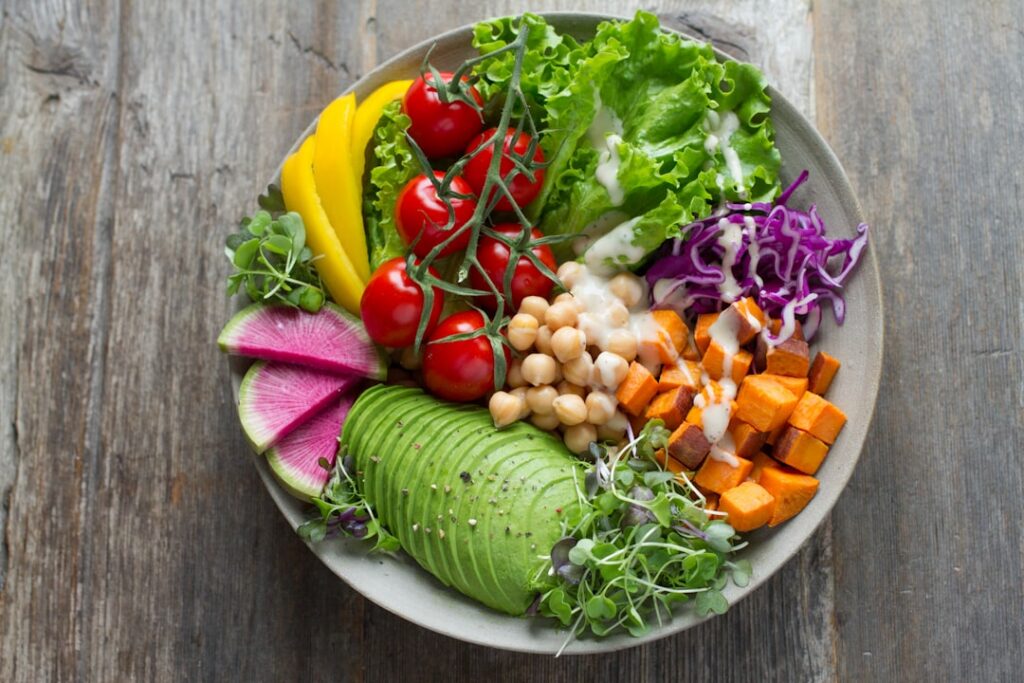
Comparing Greens: A Quick Look
While all these greens are excellent sources, their Vitamin K content can vary. Here’s a general idea of how some common options stack up per 100g serving (approximate values):
- Kale: Very high (around 800 mcg)
- Spinach: High (around 480 mcg)
- Collard Greens: High (around 400 mcg)
- Swiss Chard: High (around 830 mcg)
- Broccoli: Moderate (around 140 mcg)
Note: These values can vary based on preparation and specific variety.
Tips for Boosting Your Vitamin K Intake
Making Vitamin K a regular part of your diet is easier than you think!
- Eat a Variety: Don’t stick to just one green. Rotating your leafy greens ensures a wider range of nutrients.
- Include in Every Meal: Add a handful of spinach to your morning smoothie or eggs, enjoy a kale salad for lunch, and serve steamed broccoli with dinner.
- Cook Smart: While Vitamin K is relatively stable with heat, gentle cooking methods like steaming or light sautéing can help preserve nutrients.
- Pair with Healthy Fats: As a fat-soluble vitamin, Vitamin K is best absorbed when consumed with a source of healthy fats, such as olive oil in a salad dressing or avocado.
Important Note: Consult Your Healthcare Provider
This information is for educational purposes only and is not intended to be a substitute for professional medical advice, diagnosis, or treatment. Always seek the advice of your physician or other qualified health provider with any questions you may have regarding a medical condition or before making any changes to your diet or health regimen, especially if you are taking blood-thinning medications, as Vitamin K can interact with them.
Embrace Your Greens!
Incorporating these incredible Vitamin K-rich greens into your daily diet is a simple yet powerful step towards supporting your overall health and well-being. From aiding blood clotting to contributing to strong bones and a healthy heart, Vitamin K truly is an unsung hero of the nutrient world. So, next time you’re at the grocery store, pile your cart high with these green powerhouses!