Dreaming of a bountiful berry harvest this year? You’re in the right place! Unlocking the secrets to a thriving berry patch starts with proper pruning. It’s one of the best ways to ensure healthier plants and an abundant yield of delicious fruits, season after season. If you’ve ever wondered how to get more juicy blueberries, plump raspberries, or sweet blackberries from your garden, this guide is for you.
Pruning might seem intimidating at first, but with a few simple techniques, you’ll be shaping your berry bushes like a pro. Not only does it promote robust growth and increase fruit production, but it also improves air circulation, which helps prevent diseases. We’ve gathered all the essential techniques for blueberries, raspberries, blackberries, and currants into one easy-to-follow guide to help you cultivate a garden brimming with nature’s candy!
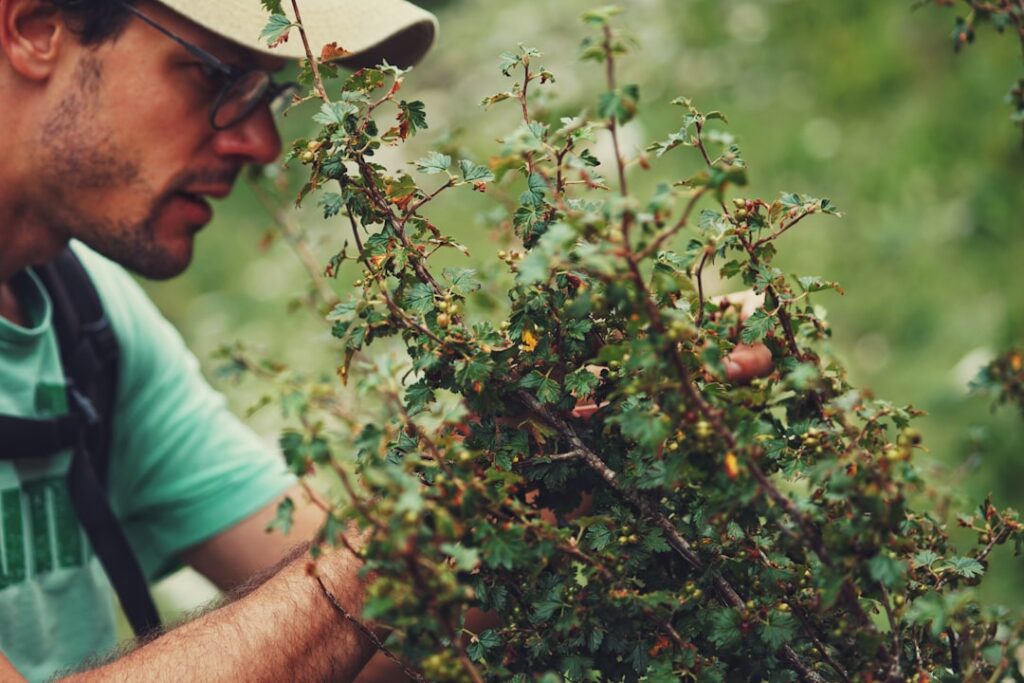
Why Pruning Your Berry Bushes is Essential
Pruning is more than just trimming branches; it’s a vital part of plant care that directly impacts the health and productivity of your berry bushes. Here’s why it’s so important:
- Increased Fruit Production: Pruning removes old or unproductive wood, directing the plant’s energy towards developing new, fruit-bearing canes and bigger, sweeter berries.
- Improved Plant Health: By removing dead, diseased, or damaged branches, you help prevent the spread of pests and diseases. Good air circulation through a properly pruned bush also reduces fungal issues.
- Better Sunlight Penetration: Thinning out dense foliage allows more sunlight to reach the inner parts of the plant, promoting even ripening and stronger growth.
- Easier Harvesting: A well-pruned bush is often more manageable, making it easier to reach and pick the delicious fruits.
- Encourages Vigor: Regular pruning stimulates the growth of new, strong canes that will bear fruit in future seasons.
General Pruning Tips for All Berry Varieties
Before we dive into specific types, here are some universal tips to keep in mind:
- Timing is Key: Most berry bushes are best pruned during their dormant season, typically late winter or early spring before new growth begins. This minimizes stress on the plant and allows you to clearly see its structure.
- Use Sharp, Clean Tools: Always use bypass pruners, loppers, or a pruning saw that are sharp and sterilized. Clean tools make clean cuts, which heal faster and reduce the risk of introducing diseases. Sterilize between plants (and especially between different types of plants) with rubbing alcohol or a bleach solution.
- Make Clean Cuts: Cut branches cleanly, just above a bud or lateral branch. Avoid leaving stubs, as these can become entry points for pests and diseases.
- Remove the 3 D’s: Always start by removing any branches that are Dead, Damaged, or Diseased.
- Thin Out Crossing Branches: Remove any branches that are rubbing against each other, as this can create wounds.
- Open Up the Center: Aim for an open, goblet-like shape to improve air circulation and sunlight penetration.
Specific Pruning Guides for Popular Berry Bushes
Blueberry Bushes
Blueberries produce fruit on canes that are 1 to 4 years old. Older canes become less productive.
- When to Prune: Late winter to early spring, before buds swell.
- What to Remove:
- Remove any dead, diseased, or crossing branches.
- Cut back any low-lying branches that touch the ground.
- Remove the oldest, thickest canes (typically 5+ years old) from the base, aiming to remove 1-3 old canes per year. This encourages new, productive growth.
- Thin out weak, spindly new shoots, leaving only the strongest ones.
- For highbush varieties, maintain about 6-8 main canes of varying ages.
Raspberry Bushes
Raspberries have two main types: summer-bearing (floricane-fruiting) and fall-bearing (primocane-fruiting).
Summer-Bearing Raspberries (Floricane-Fruiting)
These produce fruit on canes that grew the previous year (floricanes).
- When to Prune: Immediately after harvest.
- What to Remove: Cut all floricanes (the canes that just produced fruit) down to the ground. These canes will not produce again. Leave the new primocanes (first-year canes) to overwinter and fruit next summer.
- In late winter/early spring, thin out weak or damaged primocanes, leaving 6-8 strong canes per linear foot of row.
Fall-Bearing Raspberries (Primocane-Fruiting)
These produce fruit on current year’s growth (primocanes), often in late summer/fall, and then again lightly on the same canes next summer.
- When to Prune: You have two options:
- Single Crop (Fall Only): Cut all canes down to the ground in late winter/early spring. This will encourage one large fall crop.
- Double Crop (Fall & Summer): After the fall harvest, cut back the top portions of the canes that produced fruit. In late winter/early spring, remove any dead, weak, or spindly canes, and thin out remaining canes to 6-8 per linear foot.
Blackberry Bushes
Like raspberries, blackberries have primocane and floricane fruiting types, and can be erect, semi-erect, or trailing.
Erect & Semi-Erect Blackberries
Often primocane-fruiting, but can also be floricane-fruiting.
- When to Prune: Late winter/early spring and again after fruiting.
- What to Remove:
- After Fruiting: Cut floricanes (canes that just produced fruit) down to the ground.
- Late Winter/Early Spring: Tip back primocanes (new growth) to encourage branching (usually when they reach 3-5 feet). Remove weak, diseased, or damaged canes. Thin out canes to 4-6 strong ones per plant or 3-4 per linear foot in a hedgerow.
- Remove suckers that emerge too far from the main plant.
Trailing Blackberries
Typically floricane-fruiting, requiring trellising.
- When to Prune: Immediately after harvest.
- What to Remove: Cut floricanes (canes that just produced fruit) down to the ground. Select 4-8 of the strongest new primocanes to train onto your trellis for next year’s crop, removing all others.
Currant Bushes (Red, White, and Black)
Currants fruit on older wood, especially 2-3 year old wood, but remain productive for several years.
- When to Prune: Late winter to early spring, before bud break.
- What to Remove:
- Red & White Currants: Fruit best on spurs of 2 and 3-year-old wood. Maintain an open bush with 8-10 main stems of varying ages. Remove any canes older than 3-4 years at ground level. Prune out weak, crossing, or low-hanging branches. Annually remove 1-3 of the oldest stems to encourage new growth.
- Black Currants: Fruit primarily on 1-year-old wood. Prune harder than red and white currants. Annually remove about 1/3 of the oldest stems (3+ years old) at ground level, leaving 8-10 strong, healthy younger stems. This promotes vigorous new growth for next year’s fruit.
Tools for the Job
Having the right tools makes pruning much easier and safer for both you and your plants:
- Bypass Pruners: Essential for small branches (up to 3/4 inch thick). They make clean, precise cuts.
- Loppers: For thicker branches (up to 1 1/2 inches thick) that bypass pruners can’t handle. They provide extra leverage.
- Pruning Saw: For very thick, woody canes or branches.
- Gloves: Protect your hands from thorns, especially with raspberries and blackberries.
- Sterilizing Solution: Rubbing alcohol or a diluted bleach solution to clean your tools.
Common Pruning Mistakes to Avoid
- Not Pruning at All: This is the most common mistake! Unpruned bushes become overgrown, less productive, and more susceptible to disease.
- Pruning at the Wrong Time: Pruning at the wrong time (e.g., during active growth for many varieties) can stress the plant or remove developing fruit.
- Using Dull or Dirty Tools: Dull tools tear branches, making plants vulnerable to disease. Dirty tools can spread pathogens.
- Leaving Stubs: Stubs don’t heal well and can invite pests or rot.
- Over-Pruning: While pruning is good, removing too much healthy wood can reduce the current year’s harvest and stress the plant.
Start Pruning for a Berry-Filled Future!
With this guide in hand, you’re well-equipped to tackle the task of pruning your berry bushes. Remember, a little effort now will lead to a healthier, more productive, and more beautiful berry patch. Imagine stepping into your garden and plucking handfuls of fresh, delicious berries – it’s a reward truly worth the work!
Happy gardening!