When it comes to healthy, plant-based snacking, the options are abundant and exciting! Among the stars of the show, two contenders often rise to the top: peanuts and edamame. Both are beloved for their delicious taste, satisfying crunch (or tender bite!), and impressive nutritional profiles. But if you’re aiming to optimize your diet, you might wonder: which one is the smarter snack swap for your specific health goals?
This comprehensive guide dives deep into the world of peanuts and edamame, offering a head-to-head comparison that goes beyond the surface. We’ll explore their unique nutritional strengths, from protein and healthy fats to fiber and micronutrients, helping you understand how each can contribute to your well-being. Whether you’re focused on weight management, muscle building, heart health, or simply seeking delicious and nutritious plant-based options, understanding the nuances between these two power-packed legumes is key to making informed choices. Let’s uncover which snack truly aligns best with your goals for a healthier, more vibrant you!
Table of Contents
- Nutrition Comparison: A Deep Dive
- Protein Powerhouses: Peanuts vs. Edamame
- The Role of Healthy Fats: Peanuts’ Edge
- Fiber Fundamentals: Boosting Digestion and Satiety
- Vitamin and Mineral Spotlight
- Strategic Snacking for Your Health Goals
- Creative Snack Ideas and Combinations
- Important Considerations for Mindful Snacking
- Frequently Asked Questions (FAQs)
- Final Thoughts: Tailoring Your Choice
- Disclaimer
Nutrition Comparison: A Deep Dive
While both peanuts and edamame are undeniably healthy, their nutritional profiles offer distinct advantages. Understanding these differences is crucial for anyone looking to make mindful food choices that support specific dietary needs or fitness objectives. Let’s break down the core components.
Protein Powerhouses: Peanuts vs. Edamame
Protein is a vital macronutrient essential for muscle repair, growth, enzyme production, and overall bodily function. For those following a plant-based diet, identifying quality protein sources is especially important. Both peanuts and edamame deliver a significant protein punch, but with a key difference.
Peanuts: A Solid Protein Source
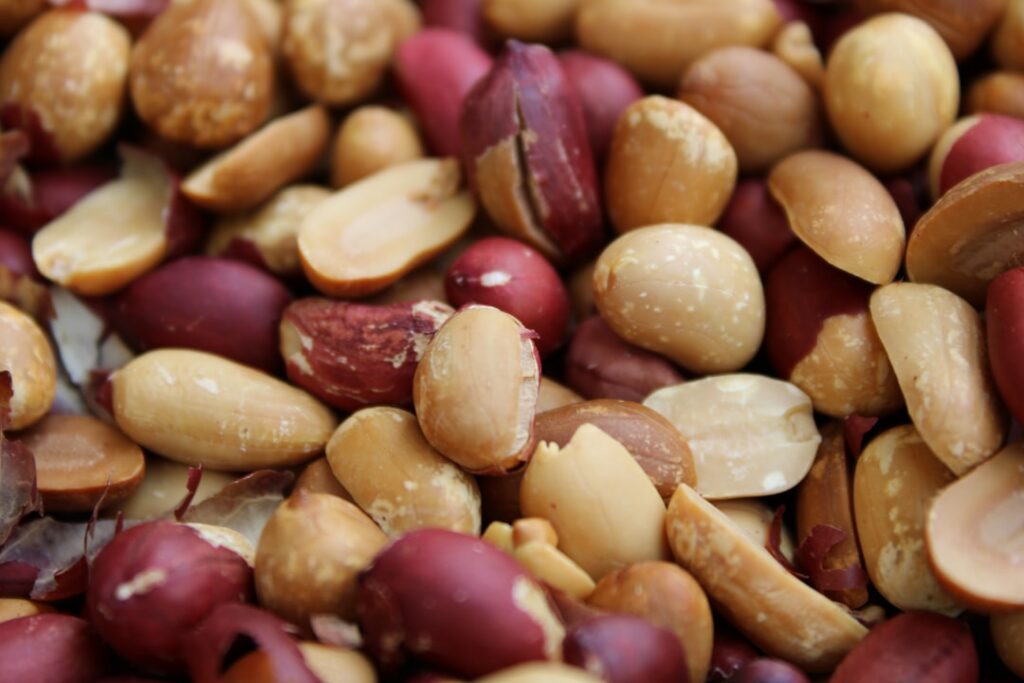
Peanuts, botanically considered legumes but often consumed as nuts, are a fantastic source of plant protein. A 1-ounce (28-gram) serving of dry-roasted peanuts typically provides around 7-8 grams of protein. This makes them an excellent snack for satiety and sustained energy. Peanuts contain a good range of amino acids, the building blocks of protein, contributing significantly to daily protein intake.
Edamame: The Complete Plant Protein Champion
Edamame, which are immature soybeans, truly shine in the protein department, especially for plant-based eaters. A 1-cup (155-gram) serving of shelled, cooked edamame offers approximately 18 grams of protein. What makes edamame particularly noteworthy is that it is considered a complete protein. This means it contains all nine essential amino acids that the human body cannot produce on its own and must obtain from food. This is a significant advantage for vegans and vegetarians, as many plant proteins are incomplete, lacking one or more essential amino acids. The robust amino acid profile in edamame makes it a highly efficient protein source for muscle building, recovery, and overall health.
The Role of Healthy Fats: Peanuts’ Edge
Fats are often misunderstood, but healthy fats are crucial for energy, hormone production, nutrient absorption, and protecting organs. Here, peanuts tend to take the lead.
Peanuts: Rich in Beneficial Fats
Peanuts are renowned for their healthy fat content, primarily comprising monounsaturated fats (MUFAs) and polyunsaturated fats (PUFAs). These types of fats are known to support heart health by helping to reduce LDL (bad) cholesterol levels and increase HDL (good) cholesterol levels. Specifically, oleic acid, a monounsaturated fat, is abundant in peanuts. They also contain linoleic acid, an essential omega-6 fatty acid. While moderation is key due to their caloric density (around 160-170 calories per ounce), the fats in peanuts are highly beneficial for overall wellness.
Edamame: Lower in Fat, Still Healthy
Edamame, while not as fat-dense as peanuts, still offers healthy fats, though in smaller quantities. A cup of shelled edamame contains about 8 grams of fat, with a good portion being polyunsaturated, including some alpha-linolenic acid (ALA), an omega-3 fatty acid. This makes edamame a heart-healthy choice that provides beneficial fats without a high caloric load.
Fiber Fundamentals: Boosting Digestion and Satiety
Fiber is an often-overlooked nutrient that plays a crucial role in digestive health, blood sugar regulation, and satiety. Both peanuts and edamame are excellent sources.
Fiber Comparison: Keeping You Full
A 1-ounce serving of peanuts typically provides about 2-3 grams of dietary fiber. This contributes to feelings of fullness, aiding in weight management, and supports regular bowel movements. Edamame, however, is a fiber superstar. A 1-cup serving of shelled edamame can provide an impressive 8 grams of fiber. This significant fiber content not only aids digestion but also helps stabilize blood sugar levels, preventing energy crashes and promoting sustained satiety throughout the day.
Vitamin and Mineral Spotlight
Beyond macronutrients, both snacks are packed with essential vitamins and minerals.
Peanuts: A Micronutrient Powerhouse
Peanuts are rich in several important micronutrients, including:
- Vitamin E: A powerful antioxidant that protects cells from damage.
- B Vitamins: Niacin (B3), thiamine (B1), and folate (B9), crucial for energy metabolism and nervous system function.
- Magnesium: Important for muscle and nerve function, blood sugar control, and blood pressure regulation.
- Phosphorus: Essential for strong bones and teeth, and energy production.
- Manganese: Involved in bone formation and metabolism.
Edamame: Bursting with Vital Nutrients
Edamame brings its own unique blend of vitamins and minerals to the table:
- Folate (Vitamin B9): Critical for cell growth and function, especially important during pregnancy.
- Vitamin K: Essential for blood clotting and bone health.
- Manganese: Similar to peanuts, aids in metabolism and bone health.
- Iron: Important for oxygen transport in the blood, especially valuable for vegans who need to focus on iron sources.
- Magnesium: Also present in edamame, supporting various bodily functions.
- Potassium: Important for maintaining fluid balance and blood pressure.
Strategic Snacking for Your Health Goals
Now that we’ve dissected their nutritional components, let’s explore how peanuts and edamame fit into various health goals.
Weight Management: Smart Snacking Choices
For those focused on weight management, both snacks can be beneficial, but their approaches differ.
- Edamame: With its high protein and fiber content, and lower caloric density compared to peanuts, edamame is an excellent choice for promoting satiety and helping to reduce overall calorie intake. A large serving can fill you up for relatively few calories.
- Peanuts: While higher in calories and fat, the protein and fiber in peanuts also contribute to fullness. The key here is portion control. A small handful can be a satisfying and nutrient-dense snack that prevents overeating later. The healthy fats can also help keep cravings at bay.
The takeaway: Edamame offers a high volume, lower calorie option for feeling full, while peanuts provide concentrated energy and healthy fats in smaller, controlled portions.
Muscle Building: Fueling Your Gains
Protein is paramount for muscle building and repair, making both snacks valuable for active individuals.
- Edamame: As a complete protein, edamame is a fantastic post-workout snack or addition to meals. Its amino acid profile directly supports muscle protein synthesis, aiding in recovery and growth.
- Peanuts: Peanuts offer a substantial amount of protein per serving and provide a good source of energy due to their fat content. This makes them ideal for sustained energy before a workout or as a recovery snack when combined with other complete proteins.
The takeaway: Edamame’s complete protein profile gives it an edge for direct muscle repair, while peanuts provide excellent protein and energy density for overall athletic performance and recovery.
Heart Health: A Nutritious Approach
Heart health benefits from a diet rich in healthy fats, fiber, and certain micronutrients, all of which are found in peanuts and edamame.
- Peanuts: The monounsaturated and polyunsaturated fats in peanuts are well-documented for their role in reducing LDL cholesterol and improving overall lipid profiles, which are crucial for heart health.
- Edamame: The fiber in edamame helps lower cholesterol. Additionally, its potassium content can contribute to healthy blood pressure levels, and its omega-3 fatty acids further support cardiovascular wellness.
The takeaway: Both contribute positively to heart health through different mechanisms – peanuts primarily through healthy fats, and edamame through fiber, potassium, and omega-3s.
Creative Snack Ideas and Combinations
Incorporating peanuts and edamame into your daily routine can be delicious and varied.
Easy Ways to Enjoy Edamame
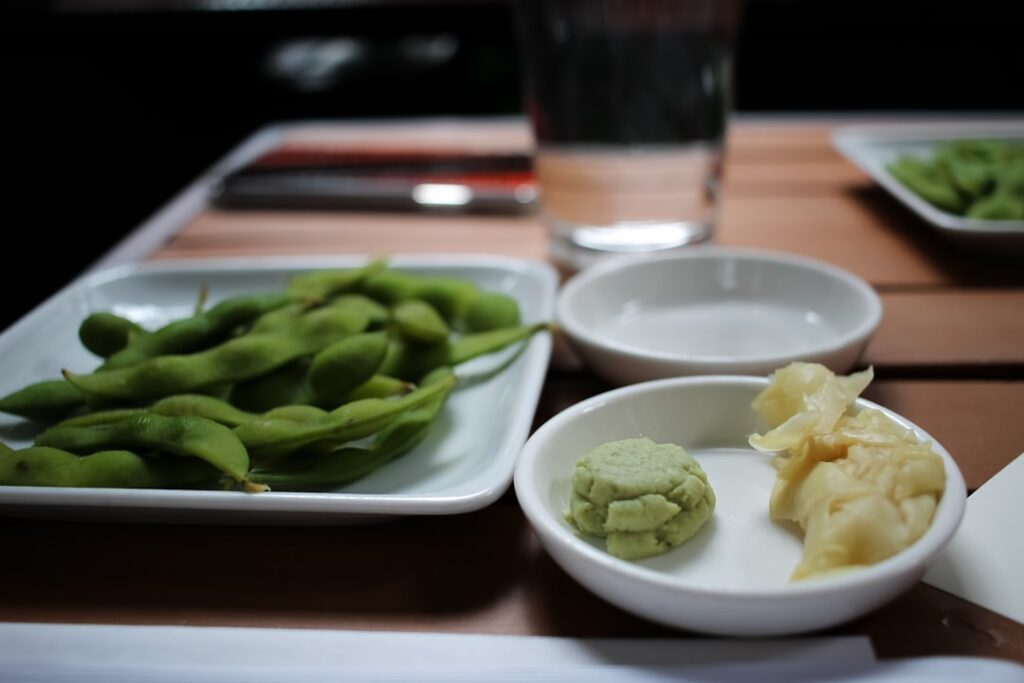
- Steamed Pods: Simply steam or boil frozen edamame pods, sprinkle with a pinch of sea salt, and enjoy them by popping the beans out.
- Shelled Edamame Salad: Toss shelled edamame into green salads, grain bowls, or pasta salads for a protein boost.
- Roasted Edamame: Roast shelled edamame with a little olive oil and your favorite spices (garlic powder, chili powder) for a crunchy, satisfying snack.
- Edamame Hummus: Blend shelled edamame with tahini, lemon juice, garlic, and a touch of water for a vibrant green dip.
Delicious Peanut-Based Snacks
- Plain Roasted Peanuts: A classic, satisfying snack. Choose unsalted or lightly salted options.
- Peanut Butter: Spread on apple slices, celery sticks, or whole-grain toast. Opt for natural peanut butter with minimal added sugar and oils.
- Trail Mix: Combine peanuts with other nuts, seeds, dried fruit, and a sprinkle of dark chocolate for an energy-boosting mix.
- Asian-Inspired Sauces: Use peanut butter as a base for savory sauces for stir-fries, noodle dishes, or as a dipping sauce for spring rolls.
Healthy Snack Combinations
Pairing these legumes with other whole foods can create synergistic nutritional benefits and even more delicious flavors:
- Edamame with Whole Grain Crackers: For extra fiber and complex carbohydrates.
- Peanuts with Fruit: A small handful of peanuts with an apple or banana offers a balanced mix of healthy fats, protein, fiber, and natural sugars.
- Spicy Edamame & Cucumber Salad: A refreshing, high-protein, and hydrating snack.
- Peanut Butter & Banana Smoothie: A creamy, satisfying, and energy-rich treat.
Important Considerations for Mindful Snacking
To truly maximize the benefits of peanuts and edamame, it’s essential to consider a few practical aspects of consumption.
Portion Control: The Golden Rule
While both are healthy, calories can add up quickly, especially with peanuts. A serving of peanuts is typically a small handful (around 1 ounce or 28 grams), providing about 160-170 calories. Edamame, being less calorically dense, allows for a larger serving (around 1 cup shelled for 180-200 calories). Always be mindful of serving sizes, especially if weight management is a goal. Measuring out your snacks can prevent unintended overconsumption.
Sodium Savvy: Choosing Minimally Processed Options
Many commercially available peanuts and edamame products come heavily salted or flavored. Excess sodium can contribute to high blood pressure and other health issues. Whenever possible, opt for unsalted, lightly salted, or minimally seasoned varieties. If purchasing roasted edamame or flavored peanuts, check the nutrition label for sodium content. You can always add your own spices for flavor without the high sodium.
Allergy Awareness: Crucial Precautions
Peanut allergies are among the most common and can be severe, even life-threatening. If you or someone you are sharing food with has a peanut allergy, strict avoidance is necessary. Edamame, being soy, can also trigger allergic reactions in individuals with soy allergies. Always be aware of these potential allergens and exercise caution, especially in shared food environments.
Choosing Minimally Processed Options
The closer to their natural state, the better. Opt for dry-roasted or raw peanuts over heavily processed peanut products with added sugars, unhealthy oils, or excessive salt. For edamame, fresh or frozen (in the pod or shelled) are ideal. Avoid highly processed edamame snacks that may contain artificial ingredients or unhealthy additives. Simple steaming or light roasting preserves their nutritional integrity.
The Power of Variety in Plant-Based Eating
While peanuts and edamame are fantastic, no single food can provide all the nutrients your body needs. A diverse plant-based diet is the cornerstone of optimal health. Rotate your snacks, incorporate a wide array of fruits, vegetables, whole grains, legumes, nuts, and seeds. This ensures you’re getting a broad spectrum of vitamins, minerals, antioxidants, and other beneficial plant compounds, building a resilient and vibrant body.
Frequently Asked Questions (FAQs)
1. Are peanuts or edamame better for weight loss?
Both can support weight loss due to their protein and fiber content, which promote satiety. Edamame is generally lower in calories per serving volume, making it a great option for feeling full without consuming too many calories. Peanuts are more calorically dense, so careful portion control is essential. The ‘better’ choice depends on your strategy: larger volume (edamame) or compact, energy-dense satisfaction (peanuts, in moderation).
2. Is edamame a complete protein?
Yes, edamame is a complete protein, meaning it contains all nine essential amino acids that the human body cannot produce on its own. This makes it an excellent protein source, especially for those following a vegetarian or vegan diet.
3. Can I eat peanuts every day?
Yes, eating peanuts every day can be part of a healthy diet, provided it’s done in moderation and within your overall calorie goals. Focus on plain, unsalted, or lightly roasted varieties. Be mindful of portion sizes due to their calorie density.
4. What are the main differences in fat content?
Peanuts are significantly higher in fat, primarily healthy monounsaturated and polyunsaturated fats beneficial for heart health. Edamame has a lower fat content but still provides beneficial polyunsaturated fats, including some omega-3s.
5. Are there any downsides to eating too much edamame?
While highly nutritious, excessive consumption of edamame (or any soy product) could potentially cause digestive discomfort due to its fiber content for some individuals. For a very small percentage of people, soy can also be an allergen.
6. How do I incorporate edamame into my diet beyond just snacking?
Edamame can be added to stir-fries, grain bowls, salads, soups, or even blended into a dip like hummus. It’s a versatile ingredient that adds protein, fiber, and a vibrant green color to many dishes.
7. What about peanut allergies and edamame?
Peanut allergies are distinct from soy allergies. While edamame is soy, someone with a peanut allergy may not necessarily be allergic to soy, and vice-versa. However, both are common allergens, so awareness and caution are always advised.
8. Is roasted edamame as healthy as steamed?
Roasted edamame can be just as healthy as steamed, provided it’s roasted with minimal oil and without excessive salt or unhealthy additives. Roasting can change the texture and flavor, offering a different way to enjoy this nutritious snack.
9. Can children eat edamame and peanuts?
Both can be healthy snacks for children, but with important caveats. Peanuts are a common choking hazard for young children and a significant allergen. Edamame can also be a choking hazard for toddlers. Always consult with a pediatrician regarding introducing allergens and ensure foods are prepared appropriately for a child’s age and chewing ability.
10. Do peanuts have more calories than edamame?
Yes, ounce for ounce or gram for gram, peanuts are significantly more calorically dense than edamame due to their higher fat content. A small serving of peanuts (1 ounce) can have similar calories to a larger serving of shelled edamame (1 cup).
11. Are flavored peanuts/edamame healthy?
Flavored options often contain added sugars, excessive sodium, and sometimes artificial ingredients. It’s best to choose plain or lightly seasoned varieties and add your own healthy spices to control the ingredients.
12. What’s the best way to buy edamame (frozen, fresh, dried)?
Frozen edamame (in the pod or shelled) is widely available and retains excellent nutritional value, making it a convenient choice. Fresh edamame is wonderful when in season. Dried edamame snacks can be healthy but check for added oils, salt, and sugars.
Final Thoughts: Tailoring Your Choice
The