Every gardener dreams of a bountiful harvest, but sometimes, nature has other plans. Pests, harsh weather, and even curious animals can quickly turn your gardening dreams into a nightmare. That’s where smart garden covers come in! They are your secret weapon for ensuring your fruits, vegetables, and flowers thrive from seed to harvest. Let’s explore the world of garden covers and find the perfect protection for your precious crops.
Why Garden Covers Are Essential for a Thriving Garden
Imagine putting in all that hard work, only to see your plants damaged or destroyed. Garden covers are not just an optional extra; they are a vital tool for:
- Pest Protection: From tiny aphids to hungry deer, covers create a physical barrier against unwanted visitors.
- Weather Shield: They protect against unexpected frost, strong winds, heavy rain, and even intense summer sun.
- Extending the Growing Season: With covers, you can plant earlier in spring and harvest later in fall, maximizing your garden’s productivity.
- Optimizing Growth Conditions: Some covers can help retain moisture, warm the soil, and create a more stable microclimate for your plants.
Choosing the Right Cover for Every Crop
The world of garden covers is diverse, with options designed for specific challenges. Here are the most popular types:
1. Floating Row Covers
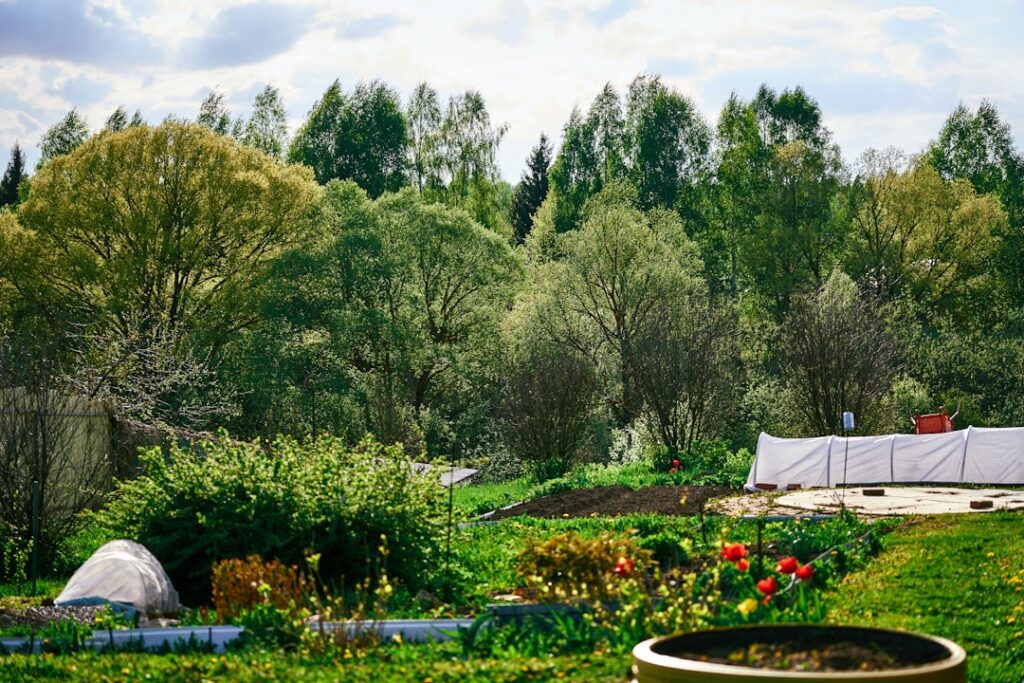
These lightweight, breathable fabrics are incredibly versatile. They can be laid directly over plants or supported by hoops to create a tunnel. They allow sunlight, air, and water to pass through while keeping insects, birds, and light frost at bay.
- Best for: Protecting young seedlings, leafy greens, root vegetables, and preventing insect damage.
- Tip: Choose heavier weights for frost protection and lighter weights for insect control and sun shading.
2. Cold Frames and Cloches
Cold frames are essentially bottomless boxes with clear tops, while cloches are smaller, bell-shaped covers. Both act like mini-greenhouses, trapping solar heat and providing significant protection against frost and cold.
- Best for: Hardening off seedlings, growing cool-season crops earlier in spring or later in fall, and protecting individual sensitive plants.
- Tip: Remember to ventilate on sunny days to prevent overheating.
3. Protective Netting
From fine insect netting to sturdy bird netting, these covers provide a strong physical barrier against larger pests without impeding airflow or light.
- Best for: Protecting berries and fruit trees from birds, keeping cabbage moths off brassicas, and deterring larger animals.
- Tip: Ensure the netting is taut and secure to prevent entanglement or access by pests.
4. Shade Cloths
When the summer sun is scorching, some plants can suffer from sunburn or excessive heat stress. Shade cloths are designed to reduce the intensity of sunlight reaching your plants.
- Best for: Heat-sensitive crops like lettuce and spinach in summer, and protecting new transplants from intense sun.
- Tip: Choose a shade percentage appropriate for your plants – typically 30-50% for most vegetables.
5. Greenhouses and Polytunnels
For the ultimate in crop protection and season extension, greenhouses and polytunnels offer a controlled environment. They provide warmth, humidity, and protection from almost all external threats, allowing year-round growing in many climates.
- Best for: Starting seeds, growing warm-season crops, and cultivating delicate or exotic plants.
- Tip: Proper ventilation and temperature control are crucial for success.
Tips for Effective Use of Garden Covers
- Secure Them Well: Wind can be a strong enemy. Use garden staples, rocks, or soil to firmly secure covers to the ground.
- Monitor Regularly: Check under covers for pests, moisture levels, and signs of overheating, especially during warm spells.
- Allow for Pollination: For fruiting plants that require pollination (like squash or tomatoes), remove covers during flowering periods if they prevent access for pollinators.
- Clean and Store: At the end of the season, clean your covers and store them properly to extend their lifespan.
Cultivate Success with Smart Protection
Investing in the right garden covers is an investment in your garden’s health and your harvesting success. By understanding the different types and how to use them, you can safeguard your plants against nature’s challenges and enjoy a truly bountiful harvest. Happy gardening!