Are you dreaming of a garden overflowing with ripe, juicy strawberries, crisp peppers, and succulent tomatoes? The secret to achieving truly bountiful harvests often lies in a simple yet powerful technique: early pruning! Many gardeners overlook this crucial step, but a little strategic snipping in the early stages of your plants’ growth can make a world of difference. Join us as we uncover the magic of early pruning and how it can transform your vegetable patch!
Why Early Pruning is a Game-Changer
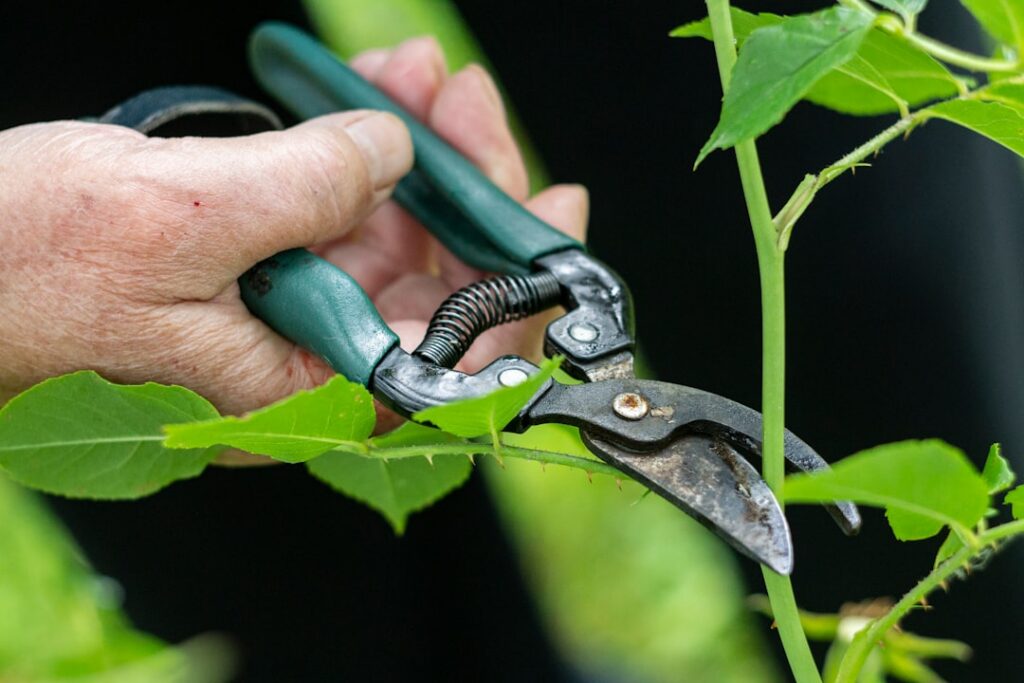
Early pruning isn’t about harming your plants; it’s about guiding their energy and growth for maximum productivity. By removing certain parts of the plant, you redirect its focus from vegetative growth (leaves and stems) to reproductive growth (flowers and fruit). Here’s why it’s so beneficial:
- Improved Air Circulation: Removing excess foliage enhances airflow, reducing the risk of fungal diseases.
- More Energy for Fruit Production: Plants put energy into growing fruits instead of maintaining unnecessary leaves.
- Larger, Healthier Fruits: Fewer fruits mean each one gets more nutrients and sunlight, leading to better quality.
- Disease Prevention: Removing diseased or overcrowded leaves stops problems before they spread.
- Easier Harvesting: A less tangled plant makes it simpler to spot and pick ripe produce.
Early Pruning for Your Favorite Crops
Strawberry Plants: Managing Runners for Sweet Success
Strawberries are eager spreaders, sending out ‘runners’ that root and create new plants. While this is great for propagation, it can sap energy from your main fruiting plants.
- What to Prune: Runners, old or yellowing leaves.
- When to Prune: Early in the growing season, before your plants start setting a lot of fruit. Continue throughout the season as new runners appear.
- How to Prune: Use clean, sharp snips to cut runners close to the mother plant. Remove any leaves that are discolored or look unhealthy to encourage new, strong growth. If you want new plants, simply root a runner in a separate pot!
Pepper Plants: Encouraging Bushier Growth and More Fruit
For pepper plants, early pruning often involves a technique called ‘topping’ or removing early flowers.
- What to Prune: The main stem’s growing tip, early flowers, or lower suckers.
- When to Prune: When your pepper plant is about 6-8 inches tall and has several sets of true leaves. You can also pinch off the first few flowers to encourage the plant to put energy into growing stronger before fruiting.
- How to Prune: Carefully pinch or snip off the main growing tip just above a leaf node. This encourages the plant to branch out, creating a bushier, stronger plant with more flowering sites. Remove any suckers (small shoots growing from the main stem’s leaf axils) that appear too low to the ground or seem to be overcrowding the plant.
Tomato Plants: Shaping for Maximum Yields
Tomatoes are perhaps the most popular candidates for early pruning, and it varies slightly depending on whether you have determinate or indeterminate varieties.
Determinate Tomatoes (Bush Varieties)
- What to Prune: Generally, determinate varieties require less pruning. Focus on removing any leaves below the first flower cluster once fruits start to set, and remove diseased or yellowing leaves.
- When to Prune: Once fruit begins to set and periodically throughout the season.
- How to Prune: Remove any leaves touching the soil to prevent soil-borne diseases. You can also pinch off small suckers (shoots growing in the ‘V’ between the main stem and a branch) below the first fruit cluster. Avoid aggressive pruning, as determinate varieties have a set number of fruits and pruning too much can reduce your yield.
Indeterminate Tomatoes (Vining Varieties)
- What to Prune: Suckers, lower leaves, and sometimes the main growing tip later in the season.
- When to Prune: Regularly, starting when the plant is young and continuing throughout its growth.
- How to Prune: The most important step for indeterminate tomatoes is consistently removing suckers. These shoots will develop into full branches that produce fruit, but they divert energy from the main stem and can lead to an overgrown, tangled plant with smaller, later fruits. Pinch them off when they are small (2-4 inches). Also, remove any leaves touching the soil or showing signs of disease to improve air circulation and prevent blight. Towards the end of the season, you can ‘top’ the main stem to encourage existing fruits to ripen before frost.
General Pruning Tips for Success
- Use Clean Tools: Always use sharp, sterilized pruning shears or snips to make clean cuts and prevent disease transmission.
- Prune in Dry Weather: This helps prevent fungal diseases from entering fresh wounds.
- Don’t Overdo It: While pruning is beneficial, removing too much foliage can stress the plant and reduce its ability to photosynthesize. Aim for balance.
- Observe Your Plants: Every plant is different. Pay attention to how your plants respond to pruning and adjust your technique accordingly.
Cultivate a Thriving Garden
Embracing early pruning is a simple yet effective way to unlock the full potential of your garden. By strategically shaping your strawberry, pepper, and tomato plants, you’ll encourage stronger growth, improve air circulation, and ultimately enjoy a more abundant, healthier harvest. It’s a small effort that yields big rewards!
What are your go-to pruning tips for a thriving garden? Share your wisdom in the comments below!