Your heart is an extraordinary organ, tirelessly pumping blood to every part of your body. It’s the core of your vitality, and understanding its health is paramount to your overall well-being. Far too often, early warning signs of serious heart conditions are overlooked, leading to delayed diagnosis and treatment.
This comprehensive guide from Glowra Health is designed to empower you with crucial knowledge. We’ll walk you through 9 common heart conditions, helping you recognize their vital early warning signs now. Learning to spot these signals can make a significant difference, enabling you to seek timely medical attention and take proactive steps for your heart’s health.
Your Heart: An Essential Overview
Before diving into specific conditions, it’s helpful to remember that many heart issues develop gradually, sometimes without noticeable symptoms in their initial stages. This is why regular check-ups and being attuned to subtle changes in your body are incredibly important. The conditions we’ll explore below range from problems with blood flow and heart rhythm to structural issues, each with its unique set of indicators.
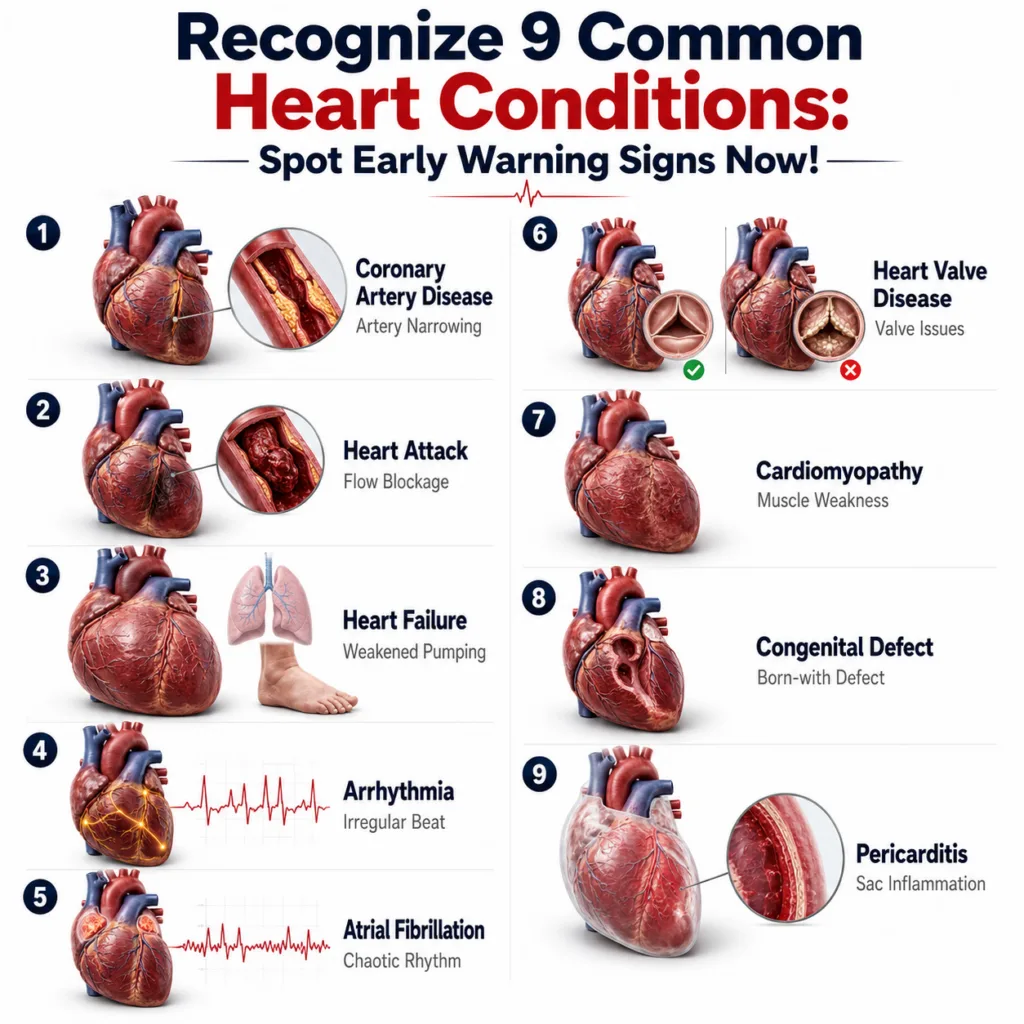
9 Common Heart Conditions and Their Early Warning Signs
Here, we break down nine prevalent heart conditions, detailing the key signs you should be aware of.
1. Coronary Artery Disease (CAD)
Coronary Artery Disease occurs when the major blood vessels that supply the heart muscle (coronary arteries) become damaged or diseased. This often happens due to plaque buildup (atherosclerosis), causing the arteries to narrow and harden. When these arteries narrow, they can’t deliver enough blood to your heart, especially during exertion.
- Warning Signs:
- Angina (Chest Pain): A common symptom, felt as pressure, tightness, or aching in the chest, often triggered by physical activity or emotional stress. It usually subsides with rest.
- Shortness of Breath: Feeling breathless during exertion or even at rest, due to reduced blood flow to the heart.
- Fatigue: Unusual tiredness, especially during activities that wouldn’t normally tire you.
2. Myocardial Infarction (Heart Attack)
A heart attack happens when blood flow to a part of the heart is blocked for a prolonged period, typically by a blood clot, causing heart muscle tissue to die. It is a medical emergency.
- Warning Signs:
- Severe Chest Pain: A crushing, squeezing, or burning pain in the center or left side of the chest that may radiate to the jaw, neck, back, or arm. This pain is often more intense and lasts longer than angina.
- Shortness of Breath: Often accompanied by chest discomfort.
- Cold Sweat, Nausea, Vomiting: Other common symptoms.
- Lightheadedness or Dizziness: A feeling of faintness.
3. Heart Failure
Heart failure means the heart isn’t pumping blood as well as it should. It doesn’t mean the heart has stopped working, but rather that it can’t meet the body’s demand for blood and oxygen. This can lead to fluid buildup in the lungs and other body tissues.
- Warning Signs:
- Shortness of Breath: Worsens with activity or when lying down, often waking you up at night.
- Swelling (Edema): In the legs, ankles, and feet due to fluid retention.
- Persistent Fatigue: Feeling constantly tired and weak.
- Rapid or Irregular Heartbeat: Palpitations.
4. Arrhythmia (Irregular Heartbeat)
An arrhythmia is an abnormal heart rhythm, meaning your heart beats too fast, too slow, or irregularly. One common type is Atrial Fibrillation (AFib), where the upper chambers of the heart beat chaotically.
- Warning Signs:
- Palpitations: A fluttering, racing, or pounding sensation in the chest.
- Dizziness or Lightheadedness: Caused by reduced blood flow to the brain.
- Fainting (Syncope): In severe cases, irregular beats can drastically lower blood pressure.
- Shortness of Breath or Chest Discomfort: Especially during an episode.
5. High Blood Pressure (Hypertension)
Often dubbed the “silent killer,” high blood pressure means the force of blood against your artery walls is consistently too high. While it typically has no early warning signs, prolonged hypertension can significantly damage the heart and blood vessels over time.
- Warning Signs (usually only in severe, life-threatening cases):
- Severe Headaches: A pounding headache.
- Nosebleeds: Unexpected and frequent.
- Vision Problems: Blurred or double vision.
- Shortness of Breath: Can indicate heart strain.
Regular blood pressure checks are essential for early detection, as symptoms are rare until complications arise.
6. Stroke (Heart-Related)
While a stroke primarily affects the brain, many strokes are linked to underlying heart conditions, such as Atrial Fibrillation, which can cause blood clots to form in the heart. These clots can then travel to the brain, blocking blood flow.
- Warning Signs (use the FAST acronym):
- F – Face Drooping: One side of the face droops or is numb.
- A – Arm Weakness: One arm is weak or numb.
- S – Speech Difficulty: Speech is slurred, or the person has difficulty understanding speech.
- T – Time to Call 911: If any of these signs are present, even if they go away, call emergency services immediately.
7. Valvular Heart Disease
Valvular heart disease occurs when one or more of the heart’s four valves (aortic, mitral, pulmonary, tricuspid) don’t work properly. They may not open fully (stenosis), not close tightly (regurgitation or insufficiency), or bulge backward (prolapse), affecting blood flow through the heart.
- Warning Signs:
- Shortness of Breath: Especially during physical activity or when lying flat.
- Fatigue: Persistent tiredness.
- Heart Murmur: An abnormal whooshing sound heard with a stethoscope, indicating turbulent blood flow.
- Swelling: In ankles, feet, or abdomen.
8. Peripheral Artery Disease (PAD)
Peripheral Artery Disease is a common circulatory problem where narrowed arteries reduce blood flow to your limbs, most commonly your legs. This is often a sign of widespread atherosclerosis, indicating a higher risk for heart attack and stroke.
- Warning Signs:
- Leg Pain (Claudication): Cramping or aching in the legs, thighs, or buttocks that occurs with activity (like walking) and typically resolves with rest.
- Numbness or Weakness: In the leg or foot.
- Sores on Legs or Feet: That don’t heal.
- Changes in Skin Color or Temperature: On the affected limb.
9. Pericarditis or Myocarditis (Heart Inflammation)
Pericarditis is the inflammation of the pericardium, the sac-like membrane surrounding your heart. Myocarditis is the inflammation of the heart muscle itself. Both can impact the heart’s ability to pump effectively.
- Warning Signs:
- Sharp Chest Pain: Often sudden, sharp, and stabbing, it may worsen when you take a deep breath, lie down, or cough.
- Fever: Indicating an inflammatory or infectious process.
- Fatigue and Weakness: General malaise.
- Shortness of Breath: Especially when lying down.
Why Early Recognition Matters
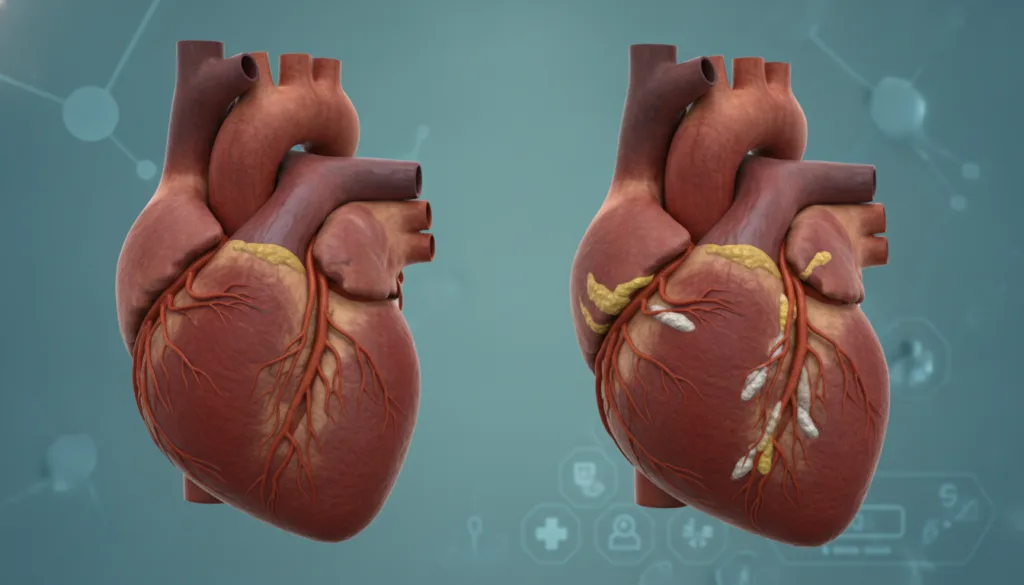
Recognizing the early warning signs of heart conditions is not just about identifying a problem — it’s about giving yourself the best chance for effective treatment and a better quality of life. Early diagnosis often means less invasive treatments, better outcomes, and the ability to prevent more severe complications down the road. It empowers you to work with your healthcare provider to manage your condition proactively.
When to Seek Medical Attention
While many symptoms can be indicative of various conditions, certain signs warrant immediate medical attention:
- Sudden, severe chest pain that radiates to your arm, neck, or jaw.
- Severe shortness of breath, especially if it comes on suddenly or at rest.
- Sudden weakness or numbness on one side of your body, or difficulty speaking.
- Sudden, unexplained dizziness or fainting spells.
- A rapid or irregular heartbeat accompanied by dizziness, chest pain, or shortness of breath.
If you experience any of these symptoms, do not hesitate. Call emergency services or seek urgent medical care immediately.