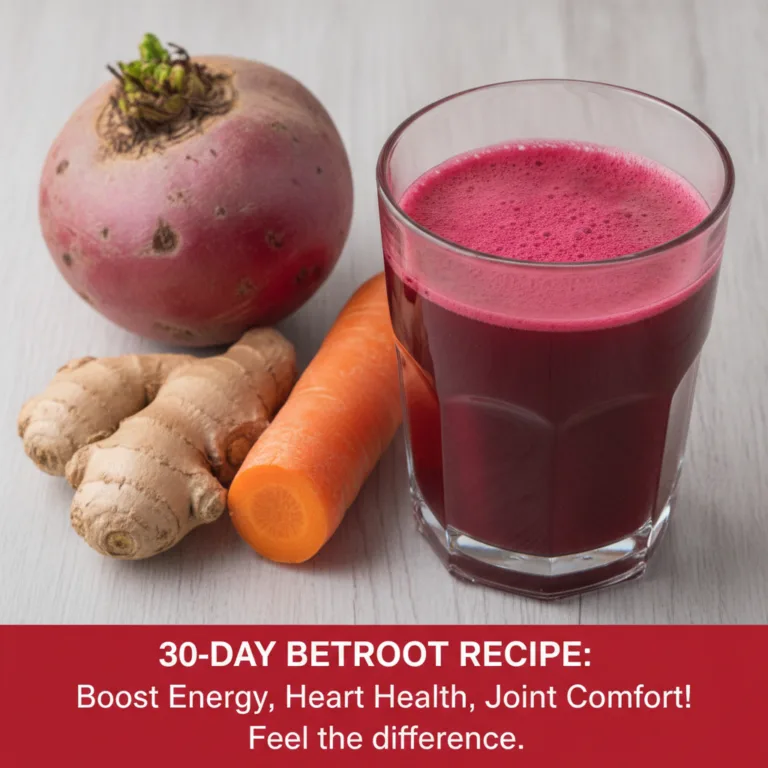
Do you ever find yourself wishing for a natural way to invigorate your days, support your hardworking heart, and enjoy more comfort in your movements? What if a simple, vibrant ingredient, easily incorporated into your daily routine, could make a real difference in just one month?
It sounds almost too good to be true, but sometimes the most powerful changes come from the simplest sources. Today, we’re diving into a beloved root vegetable that has quietly been a cornerstone of natural wellness for centuries, and how a consistent 30-day commitment to enjoying it can help you feel remarkably better.
Why This Matters: The Quest for Natural Vitality
In our fast-paced world, many of us are on a continuous quest for sustainable energy, optimal cardiovascular function, and ease of movement. We often seek quick fixes or complex solutions, overlooking the powerful allies found right in nature’s pantry. Beetroot, with its striking color and earthy flavor, has long been celebrated in traditional medicine, and modern science is now catching up to validate many of its ancient uses.
The popularity of natural remedies is soaring as more people become proactive about their health, seeking gentle yet effective ways to support their bodies. This 30-day beetroot recipe isn’t just about drinking a juice; it’s about embracing a simple, consistent ritual that many believe contributes to a feeling of overall well-being. It’s an accessible way to integrate more nutrient-dense whole foods into your diet, tapping into the wisdom of nature to enhance your vitality.
The Powerhouse Within: How Beetroot Works Its Magic
Beetroot (Beta vulgaris) is much more than just a colorful root; it’s a nutritional treasure chest. Its deep, rich hue comes from compounds called betalains, potent antioxidants and anti-inflammatory agents that play a key role in many of its benefits. But the true star for many of its health claims is its high concentration of dietary nitrates.
Beetroot for Energy and Stamina
Have you ever heard of athletes drinking beetroot juice? There’s a good reason! When consumed, dietary nitrates in beetroot are converted into nitric oxide in your body. Nitric oxide helps to:
- Relax and widen blood vessels: This improves blood flow and oxygen delivery to your muscles and organs.
- Boost mitochondrial efficiency: Your body’s ‘powerhouses’ can work more effectively, meaning you use less oxygen to produce the same amount of energy.
This improved oxygen utilization can lead to enhanced stamina and a sustained feeling of energy throughout your day, helping you tackle tasks with more vitality.
Supporting Your Heart Health
The nitric oxide pathway also makes beetroot a fantastic ally for heart health. By promoting healthier blood vessel function and helping to relax arteries, beetroot juice can contribute to:
- Maintaining healthy blood pressure levels: This is one of the most well-researched benefits, with numerous studies suggesting a positive impact.
- Improved circulation: Better blood flow means nutrients and oxygen reach every part of your body more efficiently.
It’s a simple, natural way to give your cardiovascular system some extra love.
Comfort for Your Joints
While often less highlighted, beetroot’s anti-inflammatory properties can be beneficial for joint comfort. The betalains, which give beetroot its distinctive color, are powerful antioxidants that help combat oxidative stress and inflammation in the body. Chronic inflammation is often a culprit in joint discomfort.
By helping to reduce systemic inflammation, regular consumption of beetroot may contribute to:
- Soothing discomfort: Less inflammation can mean more comfortable joints.
- Supporting overall mobility: A body with less inflammatory burden often moves more freely.
When combined with other anti-inflammatory powerhouses like ginger, as in our recipe, the potential for joint support is even greater. Carrots also add valuable vitamins and antioxidants, further boosting the nutritional profile.
Your 30-Day Beetroot Recipe: A Practical Guide
Ready to embark on your 30-day journey to enhanced well-being? This simple, fresh juice is easy to make and delicious to drink!
Ingredients:
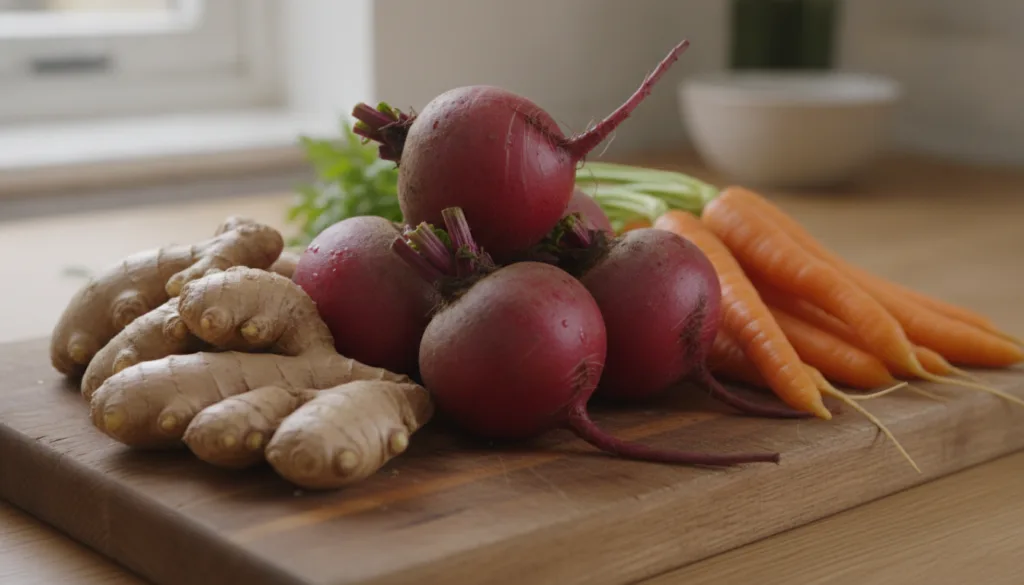
- 1 medium beetroot, scrubbed and trimmed (you can peel if desired, but much of the goodness is near the skin)
- 1 medium carrot, scrubbed and trimmed
- 1-inch piece of fresh ginger, peeled
- 1/2 cup filtered water (or apple/orange juice for a sweeter taste)
Preparation & Usage:
- Prepare Ingredients: Cut the beetroot, carrot, and ginger into smaller pieces that fit into your juicer or blender.
- Juicing Method:
- If using a juicer: Feed the beetroot, carrot, and ginger through your juicer. Collect the fresh juice.
- If using a blender: Place all chopped ingredients into a high-speed blender with 1/2 cup of filtered water (or juice). Blend until completely smooth. You may need to add a little more liquid to achieve your desired consistency. For a smoother juice, you can strain it through a fine-mesh sieve or nut milk bag to remove pulp, but consuming the pulp adds valuable fiber.
- Serve Immediately: Pour into a glass and enjoy your fresh beetroot juice.
- Consistency is Key: Drink one glass of this juice daily for 30 consecutive days.
Tips for Beginners:
- Start Small: If you’re new to beetroot, you might want to start with half a beetroot for the first few days and gradually increase.
- Flavor Variations: If the earthy taste is too strong, add a green apple, a slice of pineapple, or more orange to the blend.
- Hydration: Drink plenty of water throughout the day.
Safety & Precautions: Important Considerations
While beetroot is generally safe and incredibly healthy for most people, it’s always wise to be aware of potential considerations:
- Beeturia: Don’t be alarmed if your urine or stool appears reddish or pink after consuming beetroot. This harmless phenomenon, called beeturia, is due to the betalain pigments and affects about 10-14% of the population.
- Kidney Stones: Beetroot is high in oxalates, which can contribute to kidney stone formation in susceptible individuals. If you have a history of kidney stones, consult your healthcare provider before consuming large amounts of beetroot juice regularly.
- Blood Pressure Medication: Due to its blood pressure-lowering effects, if you are on medication for high blood pressure, monitor your levels and discuss regular beetroot consumption with your doctor to avoid excessively low blood pressure.
- Pregnancy and Breastfeeding: While generally considered safe in food amounts, consult your doctor regarding concentrated beetroot juice consumption during pregnancy or breastfeeding.
- Allergies: Though rare, some individuals may have an allergic reaction to beetroot.
Always listen to your body and consult with a healthcare professional before making significant dietary changes, especially if you have existing health conditions or are taking medications.
Key Takeaways for Your 30-Day Beetroot Journey
- Beetroot is rich in dietary nitrates and betalains, supporting vitality from within.
- Regular consumption may help boost energy by improving oxygen delivery and stamina.
- It can contribute to healthy heart function by supporting optimal blood pressure and circulation.
- Its anti-inflammatory properties, especially when combined with ginger, may promote joint comfort.
- Consistency is paramount – aim for a daily glass for 30 days to potentially feel the difference.
- Be aware of potential side effects like beeturia and consult a doctor if you have specific health concerns.
FAQ: Your Beetroot Questions Answered
Q1: Can I prepare a large batch of beetroot juice in advance?
While you can, fresh juice is always best as nutrient content can diminish over time. If you must, store it in an airtight container in the refrigerator for no more than 24-48 hours. Consider adding a squeeze of lemon juice to help preserve it slightly.
Q2: Will beetroot juice make me gain weight?
Beetroot juice is low in calories and nutrient-dense. When consumed as part of a balanced diet, it’s unlikely to cause weight gain. In fact, its fiber content (if you include the pulp) can aid satiety.
Q3: What’s the best time of day to drink beetroot juice?
Many prefer to drink it in the morning on an empty stomach to kickstart their day. Others find it beneficial before a workout for an energy boost. Listen to your body and choose a time that fits your routine best.
Q4: Can children drink beetroot juice?
In moderation, beetroot juice is generally safe for children. However, always consult with a pediatrician, especially for very young children or those with specific health conditions.
Q5: What if I don’t like the taste of beetroot?
You’re not alone! The earthy flavor can be strong. Try blending it with sweeter fruits like apples, oranges, pineapples, or berries. Starting with a smaller amount of beetroot and gradually increasing it can also help your palate adjust.
Related Reading You Might Enjoy
- The Anti-Inflammatory Kitchen: Foods to Soothe Your Body
- Natural Ways to Boost Your Everyday Energy
- Herbal Allies for a Healthy Heart: Beyond the Basics
- Optimizing Nutrient Absorption: Tips for a Healthier Gut
- Discovering the Benefits of Ginger: More Than Just a Spice