Igniting Life: The Secret to a Thriving Garden
Imagine your garden as a living, breathing entity, constantly working to nurture the plants within it. Just like a powerful battery, your soil has an incredible capacity to store energy, nutrients, and life. But what happens when that power is depleted? The contrast between a destructive “brush fire” and a regenerative “soil battery” highlights two very different approaches to gardening. One leaves behind barrenness, while the other builds a foundation for lasting abundance. Here at Garden – L. Quyên, we believe in empowering your garden with its hidden power: a healthy, vibrant soil battery.
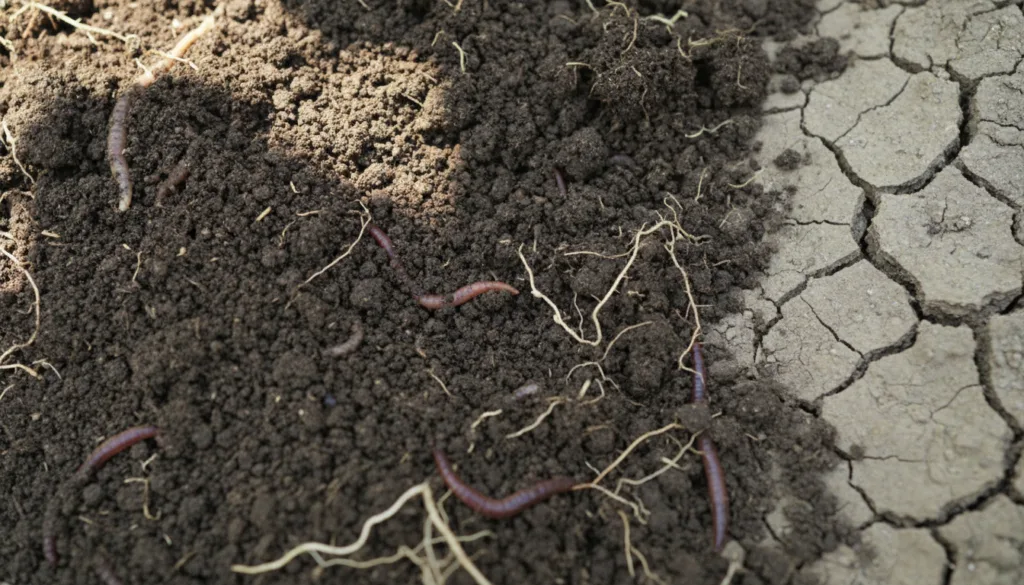
What Exactly is a Garden’s ‘Soil Battery’?
When we talk about a ‘soil battery,’ we’re not referring to an electrical device. Instead, it’s a powerful metaphor for the incredible capacity of healthy soil to store and release everything your plants need to thrive. This includes:
- Nutrients: Healthy soil is a reservoir of essential plant nutrients, making them available as needed.
- Water: Organic matter in the soil acts like a sponge, retaining moisture and reducing the need for frequent watering.
- Microbial Life: Billions of beneficial microorganisms work tirelessly, breaking down organic matter, cycling nutrients, and protecting plants from disease.
- Carbon: Soil acts as a significant carbon sink, helping to mitigate climate change.
A strong soil battery means more resilient plants, better yields, and a garden that practically takes care of itself.
Brush Fire vs. Soil Battery: A Tale of Two Gardening Philosophies
The headline “Brush Fire vs. Soil Battery” beautifully illustrates the difference between practices that deplete and those that enrich your garden’s foundation.
The ‘Brush Fire’ Effect: Depletion and Destruction
Think of a brush fire as anything that rapidly degrades soil health. This could be literal burning, but also:
- Excessive Tillage: Repeatedly turning over the soil destroys its structure, disrupts microbial networks, and releases stored carbon.
- Chemical Fertilizers & Pesticides: While offering quick fixes, these can harm beneficial soil organisms and lead to a dependency cycle, depleting the soil’s natural fertility over time.
- Leaving Soil Bare: Unprotected soil is vulnerable to erosion by wind and rain, leading to loss of topsoil and nutrients.
These practices provide short-term gains but ultimately exhaust the soil’s natural reserves, leaving it infertile and lifeless.
The ‘Soil Battery’ Approach: Recharge and Resilience
In contrast, building a “soil battery” is all about regenerative practices that continuously replenish and strengthen your soil. It’s about working with nature, not against it, to create a self-sustaining ecosystem that thrives season after season.
DIY Your Own Garden’s Soil Battery: Practical Steps for Long-Term Fertility
Ready to supercharge your garden? Here’s your ‘recipe’ for building a powerful soil battery:
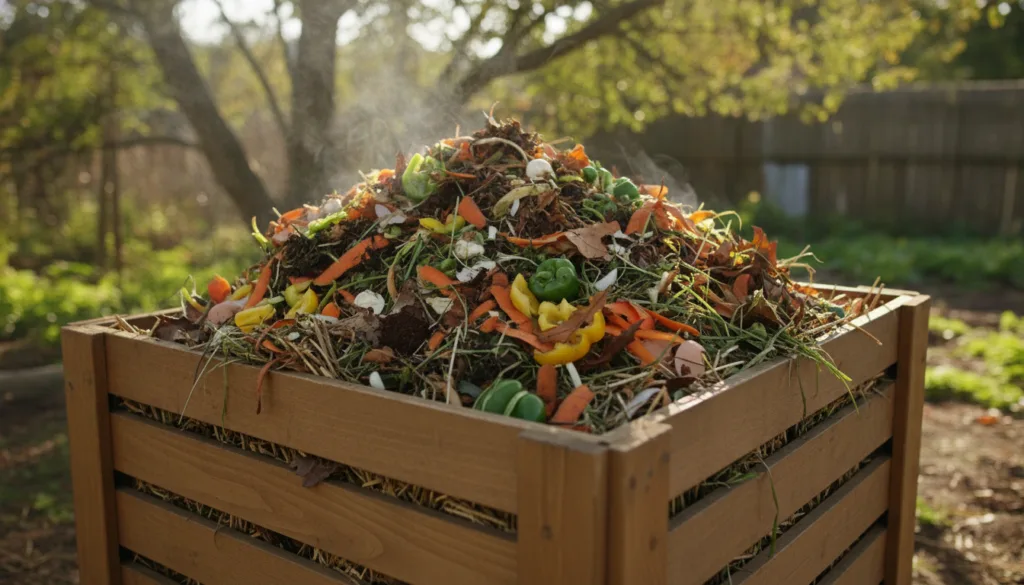
1. Embrace Composting: The Ultimate Soil Charger
Compost is gold for your garden. It adds vital organic matter, improves soil structure, enhances water retention, and provides a slow-release source of nutrients. Start a compost pile or bin using kitchen scraps, yard waste, and other organic materials.
- Tip: Aim for a good mix of “greens” (nitrogen-rich like food scraps, grass clippings) and “browns” (carbon-rich like dry leaves, shredded cardboard).
2. Cover Cropping: Nature’s Protective Blanket
When garden beds are empty, plant cover crops like clover, vetch, or rye. These plants protect the soil from erosion, suppress weeds, add organic matter when tilled in (or chopped and dropped), and can even fix nitrogen from the air.
- Tip: Choose cover crops suited to your climate and season.
3. Go No-Till (or Low-Till): Preserve the Underground Network
Minimizing soil disturbance helps preserve the intricate fungal and bacterial networks that are crucial for nutrient cycling. Instead of digging and turning, focus on layering organic matter on top of the soil.
- Tip: Use broadforks or only cultivate the top inch or two when necessary.
4. Mulch Generously: The Energy Saver
Apply a thick layer of organic mulch (straw, wood chips, shredded leaves) around your plants. Mulch conserves soil moisture, regulates soil temperature, suppresses weeds, and breaks down over time to add organic matter.
- Tip: Keep mulch a few inches away from plant stems to prevent rot.
5. Diversify Your Planting: A Natural Boost
Practice crop rotation and companion planting. Different plants have different nutrient needs and can bring unique benefits to the soil, preventing nutrient depletion and reducing pest issues. For example, legumes add nitrogen to the soil.
The Benefits of a Fully Charged Soil Battery
Investing in your soil’s health pays dividends:
- Healthier, Stronger Plants: Plants with access to a balanced nutrient supply are more vigorous and resistant to pests and diseases.
- Reduced Watering Needs: Soil rich in organic matter holds water more efficiently, saving you time and resources.
- Fewer Pests and Diseases: A robust soil ecosystem helps create a natural defense against garden challenges.
- Sustainable Harvests: Enjoy abundant, nutrient-dense produce year after year without relying on external inputs.
- Environmental Stewardship: You’re contributing to a healthier planet by sequestering carbon and supporting biodiversity.
Start Building Your Soil Battery Today!
Transforming your garden from a potential “brush fire” zone into a vibrant “soil battery” is one of the most rewarding journeys you can take as a gardener. It’s a commitment to long-term health, sustainability, and the sheer joy of watching your garden flourish with its own hidden power. Start small, be consistent, and watch your soil—and your garden—come alive!
Happy gardening!