Are you looking for an easy, eco-friendly, and cost-effective way to boost your garden’s health? Look no further than your kitchen!
We all know the saying, ‘one person’s trash is another’s treasure.’ In the world of gardening, your discarded potato peels can truly become ‘garden gold.’ Instead of tossing them in the bin, you can transform these humble kitchen scraps into a powerful, organic fertilizer that your plants will absolutely love. Let’s dive into how you can make the most of this overlooked resource and give your garden a natural nutrient boost!
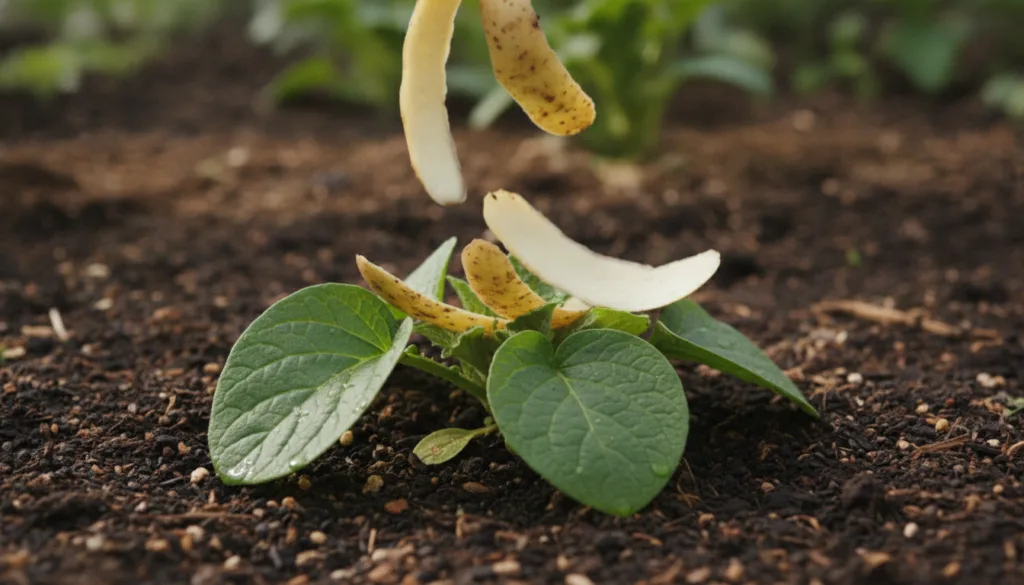
Why Potato Peels Are a Gardener’s Best Friend
Potato peels aren’t just waste; they’re packed with essential nutrients that can significantly benefit your plants. Here’s what makes them so valuable:
- Potassium: Crucial for strong stems, root development, flower and fruit production, and overall plant vigor. It helps plants resist diseases and adapt to stress.
- Phosphorus: Important for energy transfer within the plant, stimulating root growth, and promoting blooming and fruiting.
- Magnesium: A central component of chlorophyll, essential for photosynthesis and vibrant green foliage.
- Calcium: Vital for cell wall formation, strengthening plant tissues, and protecting against certain plant diseases.
- Trace Minerals: Peels also contain smaller amounts of other beneficial minerals that contribute to comprehensive plant health.
By using potato peels, you’re not only enriching your soil but also reducing kitchen waste, making it a win-win for both your garden and the environment!
Easy Ways to Prepare and Use Potato Peels for Your Garden
Ready to turn those peels into plant superfood? Here are a few simple methods:
1. Potato Peel Tea (Liquid Fertilizer)
This is a quick way to deliver nutrients directly to your plants.
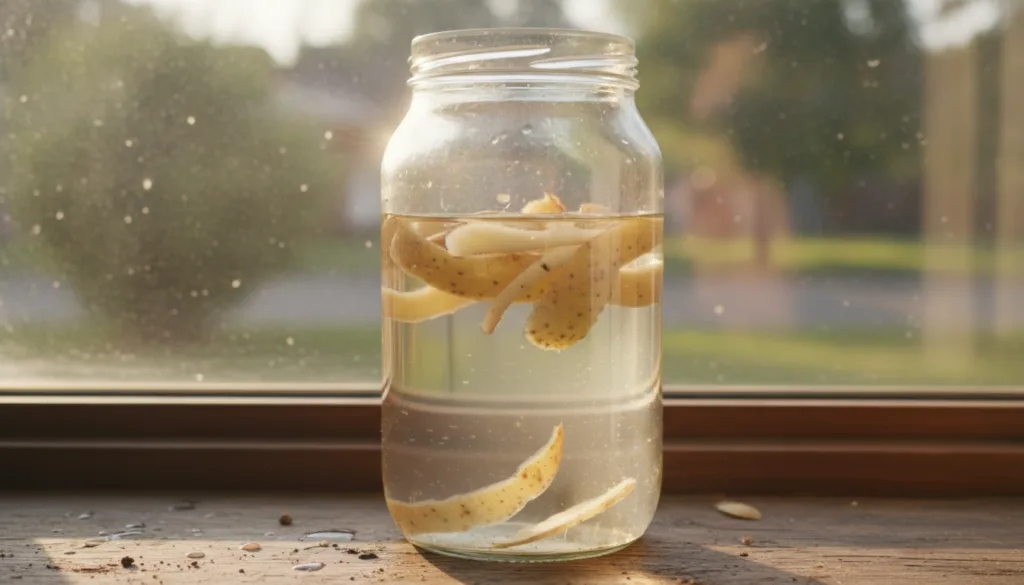
- How to Make It: Collect your potato peels (from organic potatoes if possible, to avoid pesticides). Place them in a large bucket or container and cover them with water. Let them steep for 3-5 days, stirring occasionally.
- How to Use It: Strain the liquid, and use it to water your plants. You can dilute it with more water (1:1 ratio) for sensitive plants or use it full strength for established, hungry plants. The leftover peels can be composted.
2. Direct Burial for Slow Release
This method provides a slow, steady release of nutrients as the peels decompose.
- How to Use It: Dig a small trench or hole near your plants (but not directly on their roots) and bury the potato peels. Cover them with soil. As they break down, they’ll release nutrients into the surrounding soil. This works particularly well for heavy feeders like tomatoes, roses, and corn.
- Tip: Avoid burying too many peels in one spot to prevent attracting pests or creating an anaerobic environment.
3. Boost Your Compost Pile
Potato peels are an excellent addition to any compost pile, speeding up the decomposition process and enriching the final compost.
- How to Use It: Simply add your raw potato peels to your compost bin along with other green and brown materials. They’ll break down efficiently and contribute valuable nutrients to your finished compost.
4. Dried & Crushed Fertilizer
For a more uniform application, you can dry and crush the peels.
- How to Make It: Spread potato peels on a baking sheet and bake at a very low temperature (around 200°F / 90°C) until completely dry and brittle. Alternatively, use a food dehydrator or air dry them in a sunny, well-ventilated spot. Once dry, crush them into small pieces or powder using a blender or food processor.
- How to Use It: Sprinkle the dried, crushed peels around the base of your plants or mix them into the topsoil. Water thoroughly after application.
Best Plants to Feed with Potato Peels
While most plants can benefit, some particularly thrive on the nutrients found in potato peels:
- Tomatoes: Love the potassium for strong fruiting.
- Roses: Appreciate the potassium for abundant blooms.
- Peppers: Benefit from a balanced nutrient boost.
- Fruit Trees & Berry Bushes: Can improve fruit development and sweetness.
- Flowering Plants: Encourage more vibrant and prolific blooms.
- Root Vegetables: (e.g., carrots, radishes) Benefit from healthy soil.
Important Tips for Success
- Wash Potatoes: Always wash your potatoes before peeling them to remove any soil, dirt, or potential contaminants.
- Organic Peels: If possible, use peels from organic potatoes to avoid introducing pesticides into your garden.
- Avoid Diseased Peels: Do not use peels from potatoes that show signs of disease or rot, as this could spread pathogens to your plants.
- Moderation: While beneficial, don’t overdo it. A consistent, moderate application is more effective than a single, large dose.
- Balance: Remember that potato peels are just one component of a healthy garden. They complement, but don’t replace, a balanced approach to fertilizing and soil care.
Start Transforming Your Kitchen Scraps Today!
It’s incredibly satisfying to know that you can turn everyday kitchen waste into something so beneficial for your garden. By using potato peels, you’re not only fostering healthier, more vibrant plants but also embracing a more sustainable and resourceful gardening lifestyle.
Give these methods a try and watch your plants flourish. Your garden (and the planet) will thank you!