Natural Garden Hacks Against Pests!
Every gardener dreams of a lush, thriving space, bursting with healthy plants and bountiful harvests. However, this dream often comes with an uninvited challenge: garden pests! From tiny aphids to hungry slugs, these critters can quickly turn a gardener’s joy into frustration. But what if we told you there are gentle, eco-friendly ways to protect your beloved plants without resorting to harsh chemicals?
At Garden – L. Quyên, we believe in working with nature, not against it. That’s why we’ve put together our favorite natural garden hacks to help you deter common pests and encourage a healthier, more vibrant ecosystem in your backyard. Let’s dig in!
Understanding Common Garden Pests
Before we dive into solutions, it’s good to know your adversaries. Common garden pests include aphids, spider mites, slugs, snails, cabbage worms, tomato hornworms, and various beetles. They can damage leaves, stunt growth, and even destroy entire plants. The key to natural pest control is often prevention and early intervention, creating an environment where pests are less likely to thrive.
Companion Planting: Nature’s Defense System
What is Companion Planting?
Companion planting is an age-old gardening technique where specific plants are grown near each other for mutual benefit. This can include deterring pests, attracting beneficial insects, improving soil health, or enhancing growth and flavor. It’s like building a natural security team for your garden!
Examples of Pest-Repelling Plant Combinations
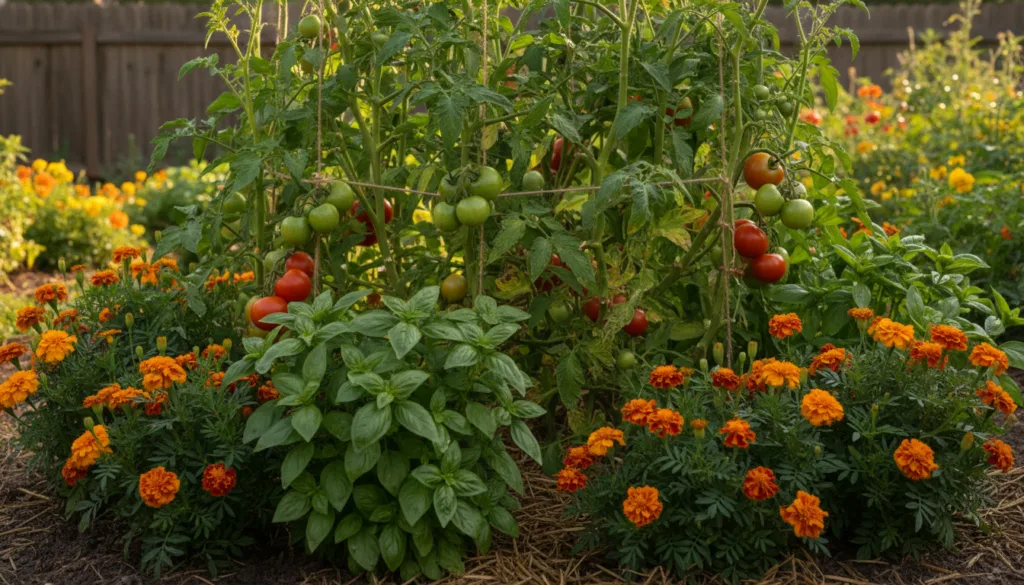
- Marigolds: Known for their strong scent, marigolds (especially French marigolds) are excellent at deterring nematodes and other soil-borne pests. Plant them near tomatoes, potatoes, or roses.
- Nasturtiums: These vibrant flowers act as a trap crop, luring aphids away from more valuable plants. Once covered in aphids, you can simply remove and dispose of the nasturtium plant.
- Garlic and Onions: The pungent aroma of alliums (garlic, onions, chives) can confuse and repel a wide range of pests, including aphids, slugs, and carrot rust flies. Plant them around carrots, roses, or fruit trees.
- Basil: Plant basil near tomatoes to help repel tomato hornworms and flies, and it’s believed to enhance the flavor of tomatoes too!
DIY Organic Pest Sprays
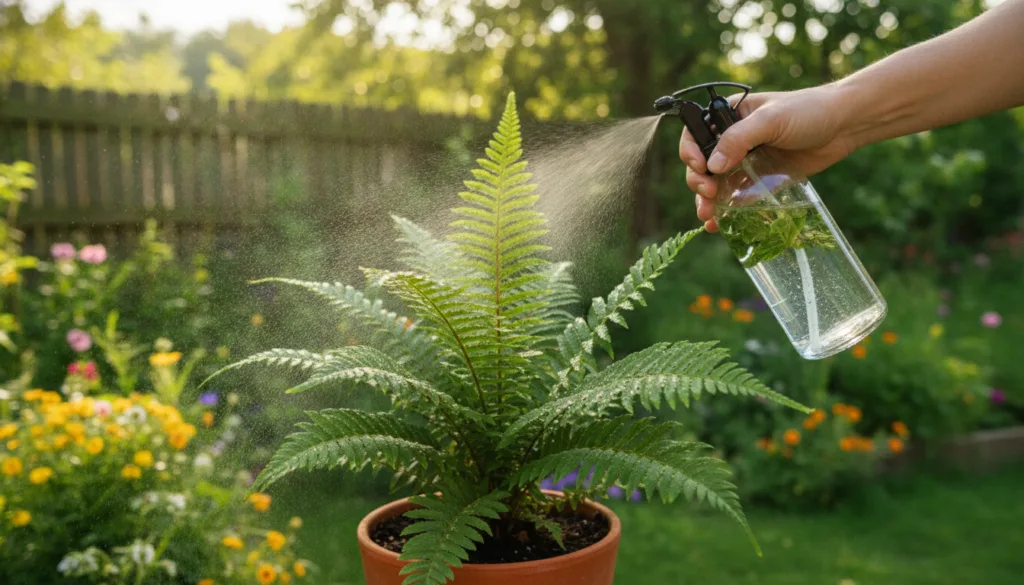
When pests do appear, sometimes a direct approach is needed. These homemade sprays use common household ingredients and are much safer for your family, pets, and the environment than chemical alternatives.
Neem Oil Spray
Neem oil is a natural insecticide derived from the neem tree. It disrupts the feeding and life cycle of many pests without harming beneficial insects or wildlife. Mix 1-2 tablespoons of cold-pressed neem oil with 1 teaspoon of mild liquid soap (like Castile soap) and 1 liter of water. Shake well and spray thoroughly on affected plants, including the undersides of leaves, every 5-7 days until pests are gone.
Garlic and Chili Spray
This potent spray works by repelling pests with its strong odor and irritating properties. Blend 1-2 whole garlic bulbs, a few hot chili peppers (or a teaspoon of cayenne pepper), and 1 liter of water. Strain the mixture through a cheesecloth, add a teaspoon of mild liquid soap, and spray. Be cautious when applying, as it can be irritating to skin and eyes.
Soapy Water Solution
For soft-bodied pests like aphids, spider mites, and whiteflies, a simple soapy water solution can be very effective. Mix 1-2 teaspoons of mild dish soap (ensure it’s free of degreasers and strong chemicals) with 1 liter of water. Spray directly onto pests, making sure to coat them thoroughly. The soap breaks down their protective outer layer, causing dehydration.
Physical Barriers and Traps
Sometimes, the simplest solutions are the best. Physical barriers and traps can prevent pests from reaching your plants or capture them before they cause widespread damage.
Row Covers
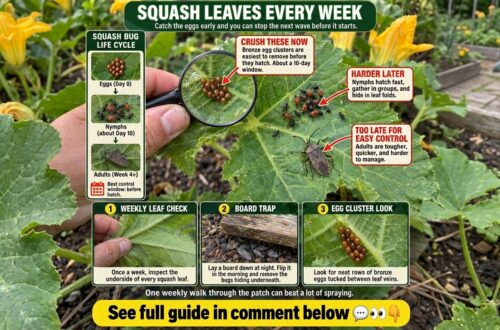
Lightweight row covers act as a physical shield, keeping flying insects like cabbage moths, squash bugs, and cucumber beetles away from susceptible crops. Drape them over your plants, ensuring the edges are secured to the ground to prevent pests from crawling underneath.
Hand-Picking Pests
For larger pests like tomato hornworms or slugs, good old-fashioned hand-picking can be incredibly effective, especially in smaller gardens. Do this in the early morning or evening when many pests are most active. Drop them into a bucket of soapy water.
Sticky Traps
Yellow sticky traps attract and capture flying insects such as whiteflies, fungus gnats, and winged aphids. Place them strategically near affected plants to monitor and reduce pest populations.
Attracting Beneficial Insects
Not all bugs are bad! Many insects are allies in the garden, preying on common pests. Creating a habitat that welcomes these beneficial insects can significantly reduce your pest problems.
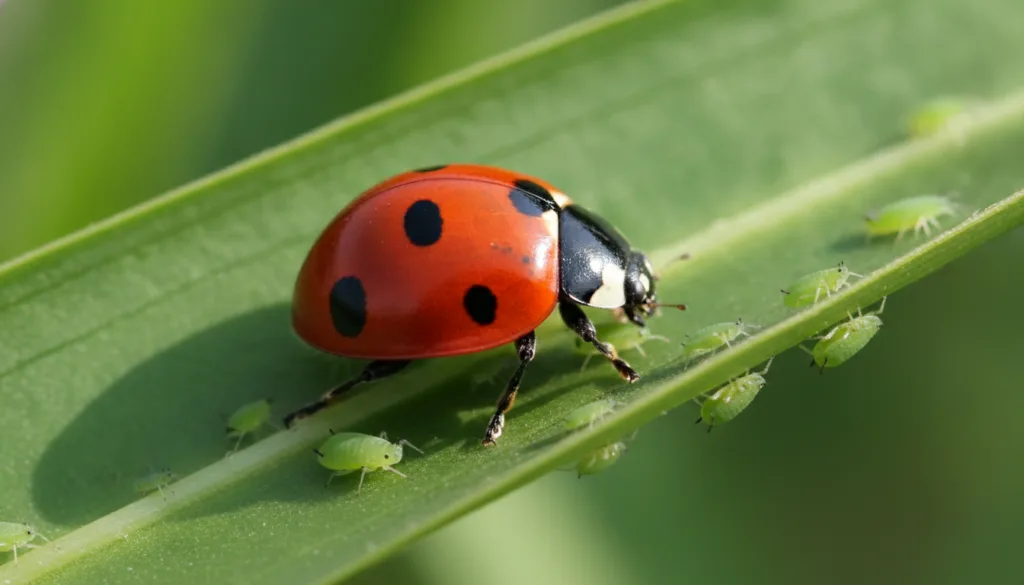
Welcome Ladybugs and Lacewings
Ladybugs and lacewings are voracious eaters of aphids, spider mites, and other soft-bodied pests. You can purchase them online or at garden centers, but better yet, create an environment that encourages them to stay.
Plants that Attract Good Bugs
Planting a diverse range of flowers, especially those with small, open blooms, will attract beneficial insects. Favorites include:
- Dill
- Fennel
- Coriander
- Yarrow
- Cosmos
- Sunflowers
- Sweet Alyssum
Healthy Soil, Healthy Plants: Your Best Defense
Ultimately, the strongest defense against pests is a strong offense: healthy plants. Plants grown in rich, well-drained soil with adequate nutrients are more resilient and less susceptible to pest attacks. Focus on:
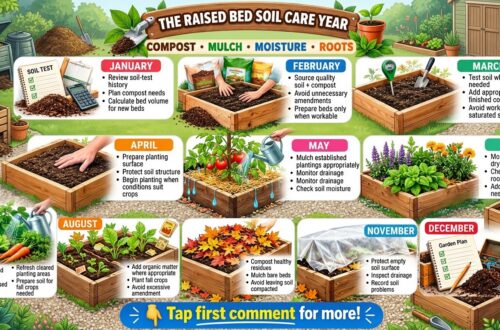
- Composting: Enriches soil with organic matter.
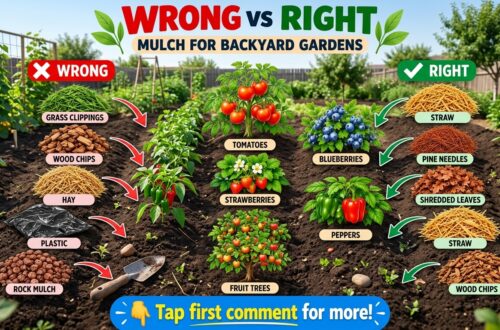
- Mulching: Helps retain moisture, regulate soil temperature, and suppress weeds.
- Proper Watering: Avoid over or under-watering, which can stress plants.
- Crop Rotation: Prevents pests and diseases from building up in the soil.
By nurturing your soil, you’re building the foundation for a thriving garden that can naturally resist pests.
Embrace a Greener, Healthier Garden
Switching to natural pest control methods might require a bit more patience and observation, but the rewards are immense. You’ll cultivate a garden that is safer for your family, pets, and the environment, teeming with life, and truly in harmony with nature. So go ahead, try these natural hacks, and watch your garden flourish without a single harsh chemical in sight!
Happy gardening!