Imagine plucking a fresh avocado from a plant you grew yourself, or enjoying a juicy pineapple that started right on your kitchen counter! Growing your own fruits from kitchen scraps isn’t just a fun DIY project; it’s a wonderfully sustainable way to reduce waste, save money, and connect with nature. You don’t need a sprawling backyard or a green thumb to start – just a few common fruit scraps, some soil, and a little patience. Let’s dive into the amazing world of homegrown goodness!
Why Grow Fruits from Kitchen Scraps?
Beyond the sheer joy of watching a new plant sprout from something you might have otherwise thrown away, there are numerous benefits to this practice:
- Sustainability: It’s the ultimate form of recycling, giving new life to food waste.
- Cost-Effective: You get new plants without buying seeds or seedlings.
- Educational: A fantastic way to learn about plant life cycles, perfect for families.
- Fresh & Organic: You control the growing conditions, ensuring your fruits are healthy and free from unwanted chemicals.
- Rewarding: The satisfaction of eating something you’ve grown from scratch is unparalleled.
Popular Fruits You Can Grow from Scraps
Many fruits can be given a second life. Here are some of the easiest and most rewarding ones to start with:
1. Avocado
Growing an avocado tree from a pit is a classic first-time project for a reason – it’s fascinating to watch!
- How To:
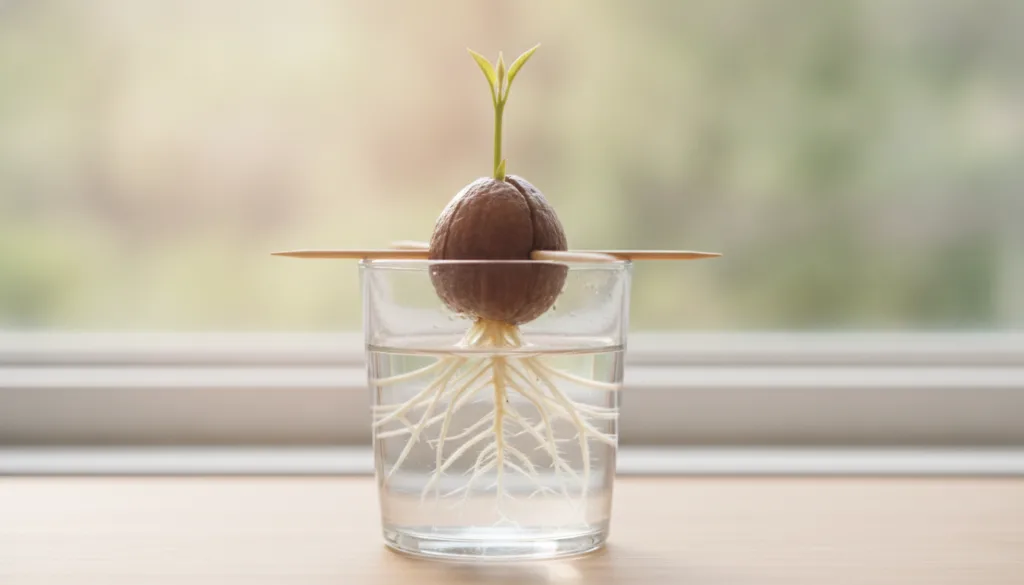
- Carefully clean an avocado pit, ensuring no fruit flesh remains.
- Insert three or four toothpicks evenly around the middle of the pit.
- Suspend the pit broad-end-down over a glass of water, making sure the bottom third of the pit is submerged.
- Place the glass in a warm spot, out of direct sunlight, and change the water every few days to prevent mold.
- In 2-6 weeks (sometimes longer!), you’ll see roots emerge from the bottom and a sprout from the top.
- Once the stem is 6-7 inches tall, cut it back to about 3 inches. This encourages stronger growth.
- When the roots are thick and the stem has grown back to 6 inches, plant it in a 10-inch pot with rich potting soil, leaving the top half of the pit exposed.
- Care: Keep the soil consistently moist but not waterlogged. Avocados love bright, indirect light. It can take several years for a tree grown from a pit to produce fruit, and some never do, but it makes a beautiful houseplant!
2. Lemon/Lime
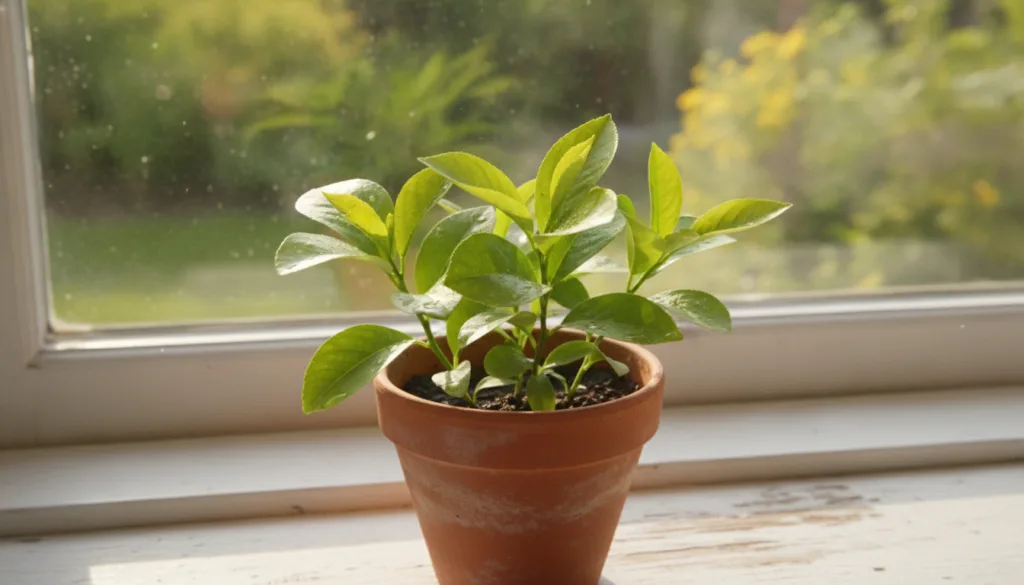
Citrus plants grown from seed can be incredibly fragrant and charming.
- How To:
- Harvest seeds from fresh, organic lemons or limes. Wash them thoroughly to remove any fruit residue.
- Plant the seeds about half an inch deep in a small pot filled with moist potting mix. You can plant several seeds per pot to increase your chances.
- Cover the pot with plastic wrap or a clear plastic dome to create a mini-greenhouse effect, keeping the soil moist and warm.
- Place the pot in a warm, bright spot.
- Once sprouts appear (usually in 2-3 weeks), remove the plastic cover.
- Care: Citrus plants need plenty of sunlight (at least 6-8 hours a day). Keep the soil consistently moist but allow the top inch to dry out between waterings. Fertilize regularly with a balanced citrus fertilizer once they are established.
3. Pineapple
Growing a pineapple from its crown is a remarkably straightforward process.
- How To:
- Twist off the leafy crown from a ripe pineapple. Make sure no fruit flesh remains on the crown, or it will rot.
- Remove a few layers of the small leaves at the base of the crown to expose about an inch of the stem. This is where the roots will emerge.
- Allow the crown to dry for a few days to a week to prevent rot – this step is crucial!
- You can either suspend the crown over a glass of water (like the avocado) or plant it directly into a pot. For direct planting, use a 6-inch pot with well-draining potting mix. Plant it deep enough so the base of the leaves is just above the soil line.
- Keep the soil lightly moist and place the pot in a warm, bright location.
- Roots should form in a few weeks, and new leaves will start to grow from the center.
- Care: Pineapples are tropical plants that love warmth and bright, indirect light. Water when the soil feels dry, and you can even mist the leaves occasionally. Fruiting can take 2-3 years, but it’s a beautiful, exotic plant to have!
4. Mango
Similar to avocados, mangos can be grown from their large pits.
- How To:
- Clean the mango pit thoroughly. Carefully crack open the hard outer shell to reveal the seed inside – be gentle!
- Soak the inner seed in a glass of water for 24 hours.
- Plant the seed in a pot filled with rich, well-draining potting mix, with the curved side facing down and about a quarter of the seed exposed above the soil.
- Keep the soil moist and place it in a warm, sunny spot.
- Sprouting can take a few weeks to a few months.
- Care: Mango plants thrive in warm temperatures and full sun. Keep the soil consistently moist, especially when young. It takes many years for a mango tree to bear fruit when grown from a pit, but it makes a lovely indoor plant in colder climates.
General Tips for Success
No matter which fruit you choose to grow, these general tips will help you on your journey:
- Patience is Key: Growing from scraps often takes time. Don’t get discouraged if you don’t see immediate results.
- Good Drainage: Ensure your pots have drainage holes to prevent root rot.
- Quality Soil: Use a good quality potting mix that drains well and is rich in nutrients.
- Adequate Light: Most fruit plants love sunlight. Provide them with the brightest spot possible, especially indoors.
- Consistent Watering: Keep the soil consistently moist but never waterlogged. Feel the soil before watering.
- Humidity: Many tropical fruit plants appreciate higher humidity, especially indoors. Misting or using a pebble tray can help.
- Fertilization: Once your plants are established, use a balanced liquid fertilizer every few weeks during the growing season.
- Pest Watch: Keep an eye out for common houseplant pests like spider mites or aphids. Address them quickly if they appear.
Start Your Homegrown Journey Today!
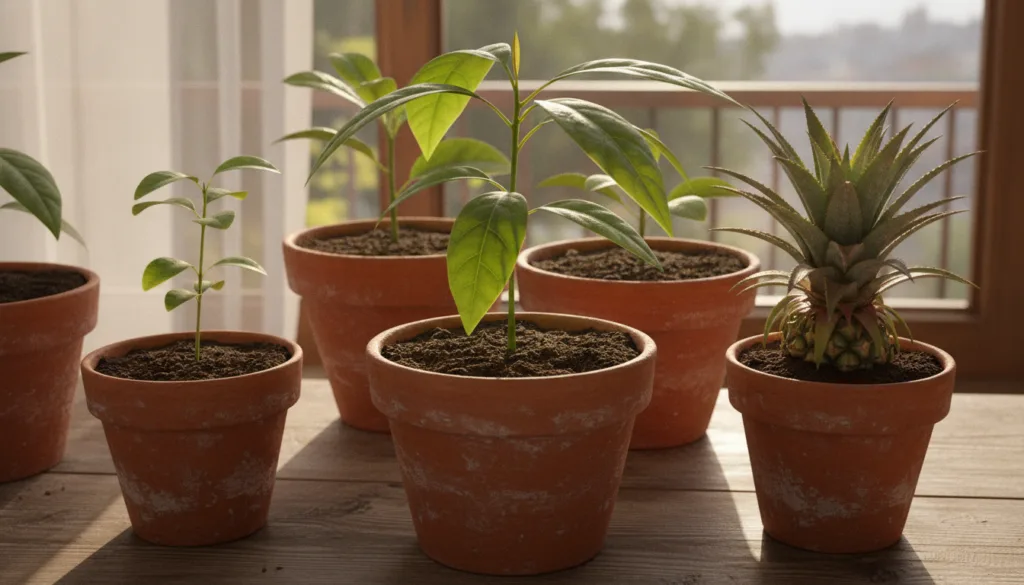
Growing your own fruits from kitchen scraps is a delightful and rewarding experience. It’s a testament to nature’s resilience and your own commitment to sustainable living. So, next time you’re enjoying an avocado, lemon, or pineapple, think twice before tossing that pit or crown. You might just be holding the beginning of your next beautiful garden adventure!
Share your homegrown fruit successes and tips with us in the comments below!