Making conscious choices about your protein sources can significantly impact your health, energy, and overall well-being. Protein is a fundamental macronutrient, essential for building and repairing tissues, making enzymes and hormones, and providing a sustained source of energy. But not all protein sources are created equal. The difference between processed, less healthy options and whole, natural choices can be monumental for your body.
In a world full of convenient but often compromised food options, understanding where your protein comes from is more important than ever. This guide will help you navigate the landscape of protein, highlighting what to limit and what to embrace. Discover how simple swaps can make a big difference in choosing the best protein sources to fuel your day and unlock better health.
The Hidden Dangers of “Worst” Protein Sources
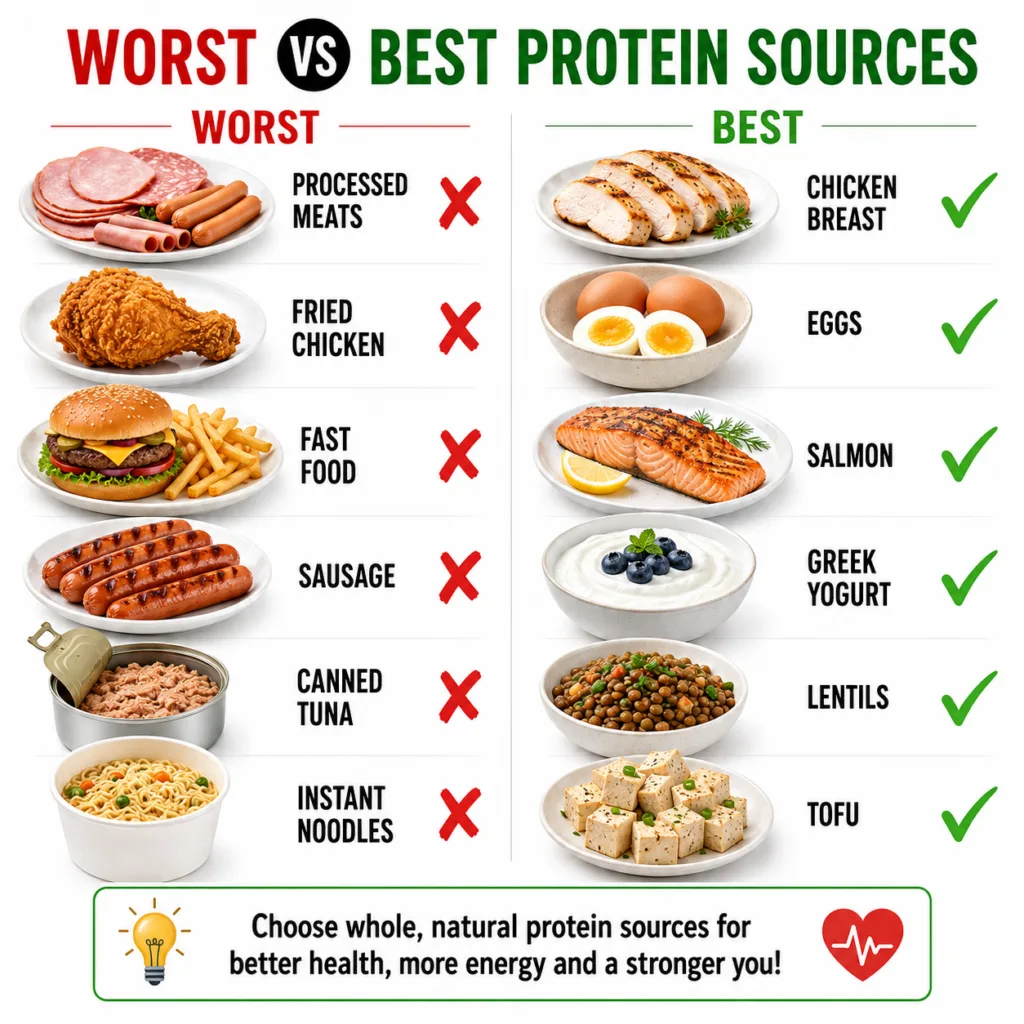
While these options may be convenient or tasty, they often come with a hidden cost to your health. They typically contain high levels of unhealthy fats, sodium, and additives that can undermine your wellness goals.
Processed Meats
Think deli slices, bacon, hot dogs, and some jerky. Processed meats are frequently high in sodium, nitrates, and saturated fats. Regular consumption may be linked to an increased risk of heart disease, type 2 diabetes, and certain cancers.
Fried Chicken
Though delicious, fried chicken often means high levels of unhealthy trans and saturated fats due to the cooking method. This can significantly increase calorie intake and contribute to cardiovascular health concerns.
Fast Food (Burger & Fries)
A classic combo, but fast-food burgers and fries are typically loaded with calories, unhealthy fats, and excessive sodium. The protein content may be present, but it often comes with a hefty package of ingredients that offer little nutritional value and can lead to weight gain and sluggishness.
Sausage
Similar to other processed meats, sausages are often high in saturated fat and sodium. Many varieties also contain artificial flavors and preservatives, which can be detrimental to long-term health when consumed regularly.
Canned Tuna
While tuna itself is a good source of lean protein, some canned varieties, especially those packed in oil or with added sodium, can diminish its health benefits. Opt for tuna packed in water with no added salt to make it a healthier choice.
Instant Noodles
A quick meal, but instant noodles are typically very low in protein and fiber, and excessively high in sodium and refined carbohydrates. They offer little in terms of sustained energy or nutritional value, often leaving you feeling hungry again soon after eating.
Fuel Your Body: Embracing the “Best” Protein Choices
These protein powerhouses are not only rich in essential amino acids but also packed with other beneficial nutrients that support overall health, energy, and muscle strength.
Chicken Breast
A lean, versatile, and complete protein source, chicken breast is excellent for muscle building and satiety. It’s low in fat and easily incorporated into a variety of healthy meals, making it a staple for many fitness enthusiasts and health-conscious individuals.
Eggs
Often called nature’s multivitamin, eggs are a complete protein, providing all nine essential amino acids. They are also rich in vitamins D and B12, selenium, and choline, supporting brain health, energy production, and overall vitality.
Salmon
This fatty fish is a top-tier protein source, famous for its high content of omega-3 fatty acids, which are crucial for heart health, brain function, and reducing inflammation. Salmon also provides a good dose of vitamin D and B vitamins.
Greek Yogurt with Blueberries
This dynamic duo offers a powerful punch of protein and probiotics. Greek yogurt is renowned for its high protein content, aiding digestion and supporting a healthy gut microbiome. Blueberries add antioxidants, fiber, and natural sweetness, making for a delicious and nutritious meal or snack.
Lentils
An incredible plant-based protein, lentils are also an excellent source of dietary fiber, iron, and folate. They support digestive health, help manage blood sugar levels, and provide sustained energy, making them a fantastic choice for vegetarians and omnivores alike.
Tofu
Another versatile plant-based protein, tofu is derived from soybeans and can be a fantastic meat alternative. It provides essential amino acids, calcium, and iron, and its ability to absorb flavors makes it a culinary chameleon in healthy cooking.
Why Whole, Natural Protein Sources Reign Supreme
The message is clear: choosing whole, natural protein sources is a fundamental step toward better health, more energy, and a stronger you. These foods are less processed, meaning they retain more of their inherent nutrients and come without the added burden of excessive sodium, unhealthy fats, and artificial ingredients.
- Better Health: Whole proteins support various bodily functions, from immune health to cellular repair. They help maintain a healthy weight by promoting satiety and boosting metabolism.
- More Energy: Unlike refined carbohydrates that can lead to energy crashes, protein provides a steady release of energy, keeping you feeling vital and focused throughout the day.
- Stronger You: Adequate intake of high-quality protein is crucial for muscle growth and repair, bone health, and overall physical resilience.
Final Thoughts
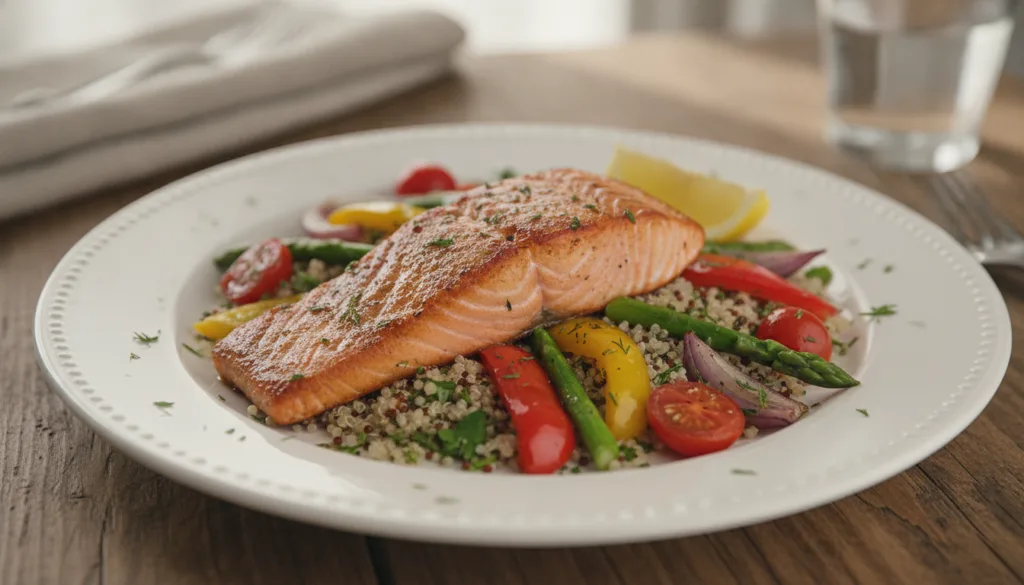
The journey to better health often begins with mindful food choices. By understanding the distinction between the worst and best protein sources, you empower yourself to make decisions that truly nourish your body. Opting for whole, natural options like chicken breast, eggs, salmon, Greek yogurt, lentils, and tofu over processed alternatives will not only enhance your energy levels and physical strength but also contribute significantly to your long-term well-being. Make these simple, yet impactful, swaps to build a foundation for a stronger, healthier you.
Medical Disclaimer
The information provided in this article is for educational and informational purposes only and does not constitute medical advice. Always consult with a qualified healthcare professional before making any changes to your diet or health regimen, especially if you have any pre-existing medical conditions or concerns.