Do you ever feel like you’re missing out on simple, natural ways to boost your well-being? Many of us walk past incredible sources of vitality every day, perhaps even dismissing them as bothersome garden invaders. Yet, right under our noses, nature often hides the most potent allies.
This is precisely the case with a familiar plant that’s frequently pulled and discarded, yet holds a surprising array of nutritional benefits. Most people never realize this works because they’ve been taught to view it as nothing more than a ‘weed,’ unaware of its rich heritage in traditional wellness practices.
Ingredients
- 1 cup fresh purslane (leaves and tender stems), thoroughly washed
- 1 cup filtered water
For a dried herbal blend, you would need several cups of fresh purslane, carefully dried and then ground into a powder. Always ensure your purslane is free from pesticides or pollutants if harvesting from your garden.
How to Prepare a Simple Purslane Infusion
- Clean the Purslane: Rinse the fresh purslane under cool running water to remove any soil or debris.
- Chop Roughly: Roughly chop the purslane leaves and tender stems.
- Heat Water: Bring 1 cup of filtered water to a gentle simmer in a small saucepan.
- Infuse: Add the chopped purslane to the simmering water. Remove from heat immediately.
- Steep: Cover the saucepan and let the purslane steep for 5-10 minutes.
- Strain: Strain the liquid into a cup, discarding the plant material.
How to Use + Best Time to Take
This simple purslane infusion can be enjoyed warm or at room temperature. It’s often best consumed in the morning to kickstart your digestive system, or after meals to aid in nutrient absorption.
- Morning Boost: Drink one cup in the morning, about 30 minutes before breakfast.
- After Meals: Sip half a cup after a heavier meal to support digestion.
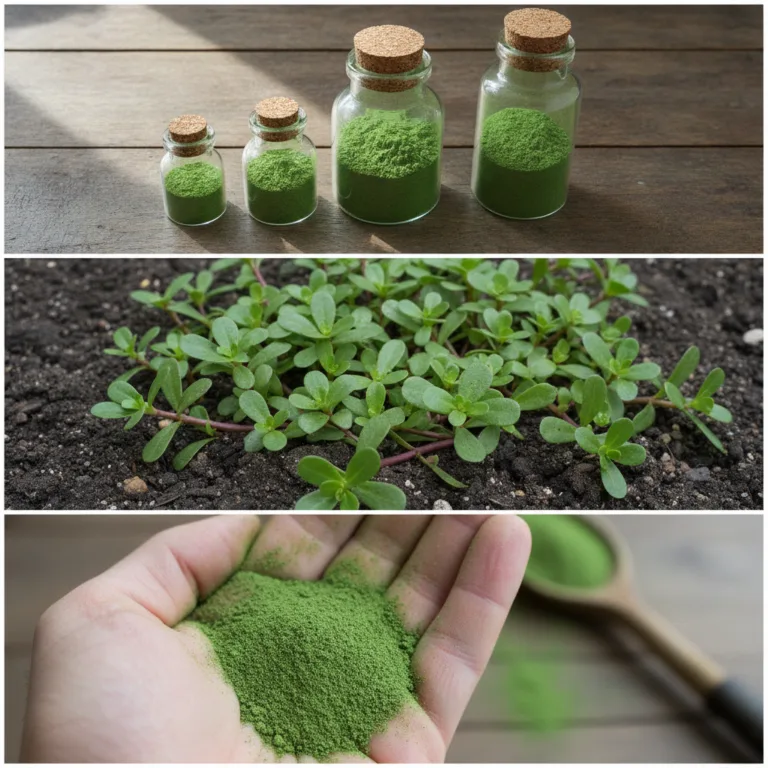
If you’re using dried purslane powder (as depicted in the image), you can mix 1/2 to 1 teaspoon into smoothies, yogurt, or sprinkle it over salads. Start with a smaller amount and adjust as desired.
Why It Works (Science Insight)
Purslane (Portulaca oleracea) is remarkably nutrient-dense, often referred to as a superfood. It’s an excellent source of omega-3 fatty acids, particularly alpha-linolenic acid (ALA), which is rare in leafy greens. These essential fatty acids are vital for reducing inflammation throughout the body and supporting cardiovascular health.
Beyond omega-3s, purslane is packed with antioxidants like vitamins A, C, and E, as well as glutathione and various carotenoids. These compounds combat oxidative stress, which contributes to cellular damage and premature aging. Its mineral profile includes magnesium, calcium, potassium, and iron, all crucial for various bodily functions, from bone health to nerve function.
The plant’s mucilage content can also provide a soothing effect on the digestive tract, aiding in gut health. Its anti-inflammatory properties further support overall well-being, making it a valuable addition to a balanced diet.
Who Benefits Most
Individuals seeking to enhance their nutritional intake with a natural, accessible source will find purslane particularly beneficial. It’s especially useful for those looking to:
- Increase their intake of plant-based omega-3 fatty acids.
- Support digestive health and soothe occasional gut discomfort.
- Boost their antioxidant levels for overall cellular protection.
- Explore traditional herbal remedies for general wellness.
Quick Notes / Safety / Simple Adjustments
While generally safe for most people, moderation is always key with any natural remedy. If harvesting wild purslane, be absolutely certain of its identification and ensure it has not been exposed to pesticides or contaminated soil. Purslane contains oxalates, so individuals prone to kidney stones should consult a healthcare professional before consuming large quantities. Pregnant or nursing women, and those with underlying health conditions, should also seek professional advice.
For a more potent blend, consider combining dried purslane powder with other complementary herbs like ginger or turmeric powder, known for their anti-inflammatory properties, though always start with small amounts to gauge your body’s response.