Starting a home vegetable garden is one of the most fulfilling journeys you can undertake, but knowing when to plant, prep, and prune can feel overwhelming for beginners. A successful garden is built on a clear seasonal rhythm: preparing the soil in spring, nurturing heavy crops through summer, and planting cool-season staples for fall.
Following a month-by-month checklist keeps tasks manageable, prevents common beginner mistakes, and ensures a continuous harvest from spring to late winter.
1. January: Plan & Order Seeds
Mid-winter is the ideal planning phase while outdoor beds are dormant.
-
Map Out Your Garden: Sketch your raised beds or container spaces on paper. Plan crop placement and practice companion planting strategies.
-
Order Seeds Early: Browse reputable seed catalogs and order early before high-demand heirloom varieties and cold-hardy greens sell out.
-
Organize & Sanitize Tools: Clean, sharpen, and disinfect pruners, trowels, and seed trays to prevent carrying over fungal spores into the new season.
2. February: Indoor Seed Starting & Gear Setup
February marks the official kickoff for gardeners in temperate climates.
-
Start Slow-Growing Crops Indoors: Sow seeds with long growing cycles (peppers, eggplants, onions, and slow herbs) in seed cell trays under LED grow lights.
-
Maintain Humidity & Warmth: Use clear humidity domes and seedling heat mats to maintain a consistent $70^\circ\text{F} – 75^\circ\text{F}$ ($21^\circ\text{C} – 24^\circ\text{C}$) root temperature for rapid germination.
-
Inventory Supplies: Stock up on fine seed-starting mix, perlite, plant labels, and larger nursery pots for potting up.
3. March: Soil Preparation & Bed Building
As ground frost begins to thaw, focus shifts outdoors to soil biology.
-
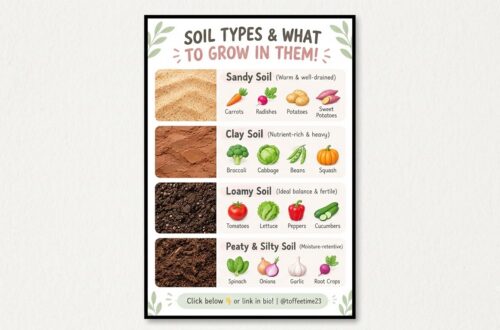
Enrich the Soil with Compost: Top-dress all raised beds and in-ground rows with a 2- to 3-inch layer of rich, well-rotted organic compost to feed beneficial soil microbes.
-
Prep Garden Beds: Loosen compacted earth using a broadfork or garden fork without turning subsoil over. Test soil pH and install drip irrigation tubing before heavy planting begins.
4. April: Cool-Season Sowing & Hardening Off
April brings cool spring rains and prime conditions for frost-tolerant vegetables.
-
Direct-Sow Cool-Season Crops: Plant seeds of radishes, spinach, peas, cabbage, and loose-leaf lettuce directly into outdoor beds.
-
Harden Off Seedlings: Begin transitioning tender indoor seedlings outdoors by exposing them to gentle breeze and indirect sunlight for 2–3 hours daily, gradually increasing exposure over 7–10 days to prevent transplant shock.
5. May: The Main Warm-Season Planting Window
Once the danger of the last spring frost has passed, the garden enters full production mode.
-
Transplant Warm-Season Heavy Hitters: Move tomatoes, sweet and hot peppers, eggplants, cucumbers, and zucchini into outdoor beds.
-
Apply Organic Mulch: Lay a 2- to 3-inch layer of clean straw, shredded leaves, or wood chips around plants to conserve soil moisture, suppress weeds, and regulate soil temperature.
6. June: Consistent Watering & Plant Feeding
With rising summer temperatures, establishing steady watering and feeding routines is essential.
-
Deep, Early-Morning Watering: Water the base of plants deeply in the morning so moisture penetrates 6–8 inches into the root zone before midday heat evaporates it.
-
Feed Heavy-Feeding Crops: Apply balanced organic liquid fertilizer (such as fish emulsion, seaweed extract, or compost tea) every 2 weeks to support rapid vegetative and blossom growth.
7. July: Mid-Summer Harvests & Trellis Support
July is a month of continuous harvesting and canopy management.
-
Harvest Regularly: Pick beans, zucchinis, cucumbers, and cherry tomatoes daily. Frequent picking signals the plant to produce continuous new blooms.
-
Reinforce Supports: Tie up sprawling indeterminate tomato vines, stake heavy bell pepper branches, and prune lower yellowing foliage to maintain good airflow and prevent foliar blights.
8. August: Fall Seed Starting & Preserving
While enjoying peak summer harvests, it is time to sow the seeds of your autumn garden.
-
Start Fall Seedlings: Sow cool-season brassicas and greens (broccoli, kale, cauliflower, carrots) indoors or in shaded trays for autumn planting.
-
Preserve the Bounty: Can tomato sauces, pickle cucumbers, freeze berries, and dehydrate culinary herbs to enjoy your garden’s abundance throughout the winter.
9. September: Cool-Season Planting & Division
Cool autumn days bring a second burst of garden productivity.
-
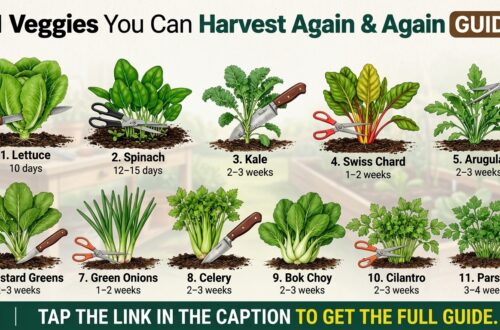
Plant Cool-Season Greens: Direct-sow spinach, lettuce, radishes, arugula, and Swiss chard. Fall frost will convert starches into sugars, making these greens noticeably sweeter.
-
Divide Perennials: Dig up and divide overcrowded perennial flowers, herbs, and berry clumps to propagate new plants across your garden.
10. October: Garlic Planting & Garden Cleanup
October is about preparing beds for winter and planting allium crops.
-
Plant Garlic Cloves: Separate garlic heads into individual cloves and plant them root-end-down, 2 inches deep and 6 inches apart, covering them with heavy mulch for summer harvest next year.
-
Clean Up Garden Beds: Remove dead, spent summer vines and diseased plant debris to eliminate overwintering insect pests and fungal spores.
11. November: Winterizing & Tool Care
Protect your garden infrastructure before severe freezes arrive.
-
Protect Sensitive Plants: Wrap sensitive perennials and shrubs in burlap or cover cold-frame beds with floating row covers.
-
Store Garden Equipment: Drain, coil, and store garden hoses indoors. Shut off and drain outdoor water spigots to prevent cracked pipes during hard freezes.
12. December: Rest, Review & Plan
Take time to enjoy the winter pause and plan ahead.
-
Review the Season: Take detailed notes on which vegetable varieties thrived, which struggled, and which pest pressures were most prominent.
-
Plan Next Year’s Expansions: Research new heirloom varieties, sketch out next season’s crop rotation plan, and rest up for spring.