Did you know that the spicy, fragrant ginger root isn’t just for your kitchen? This incredible plant can also be a secret weapon in your garden, helping your plants thrive naturally! At Garden – L. Quyên, we’re always looking for organic, easy-to-understand ways to give our green friends a boost, and homemade ginger water is quickly becoming a favorite.
Many gardeners are constantly searching for ways to grow healthier plants without relying on harsh chemicals. If your plants are looking a little lackluster or you’re struggling with common garden woes, ginger water might be the natural remedy you’ve been looking for. It’s an easy, cost-effective, and environmentally friendly solution that taps into the power of nature to nurture your garden.
Why Ginger is Your Garden’s New Best Friend
Ginger (Zingiber officinale) is packed with beneficial compounds that aren’t just good for humans, but for plants too! Here’s how this humble root can work wonders:
- Natural Growth Stimulant: Ginger contains compounds that can encourage root development and overall plant vigor, helping your plants grow stronger and more resilient.
- Nutrient Boost: While not a complete fertilizer, ginger water provides trace minerals and vitamins that can supplement your plant’s diet, especially when used in conjunction with good soil.
- Pest Repellent Properties: The strong scent and certain compounds in ginger can naturally deter some common garden pests, making it a gentle, organic alternative to chemical pesticides.
- Anti-Fungal Qualities: Some gardeners report that ginger water can help combat certain fungal issues, contributing to healthier foliage and less disease.
DIY: Crafting Your Own Homemade Ginger Water
Making ginger water is incredibly simple and requires only a few basic items you probably already have on hand. No fancy equipment or complicated steps needed!
What You’ll Need:
- Fresh ginger root (about a 2-4 inch piece)
- Water (filtered or rainwater is best, but tap water is fine if allowed to sit overnight to de-chlorinate)
- Grater or blender
- Strainer or cheesecloth
- Spray bottle or watering can
Step-by-Step Instructions:
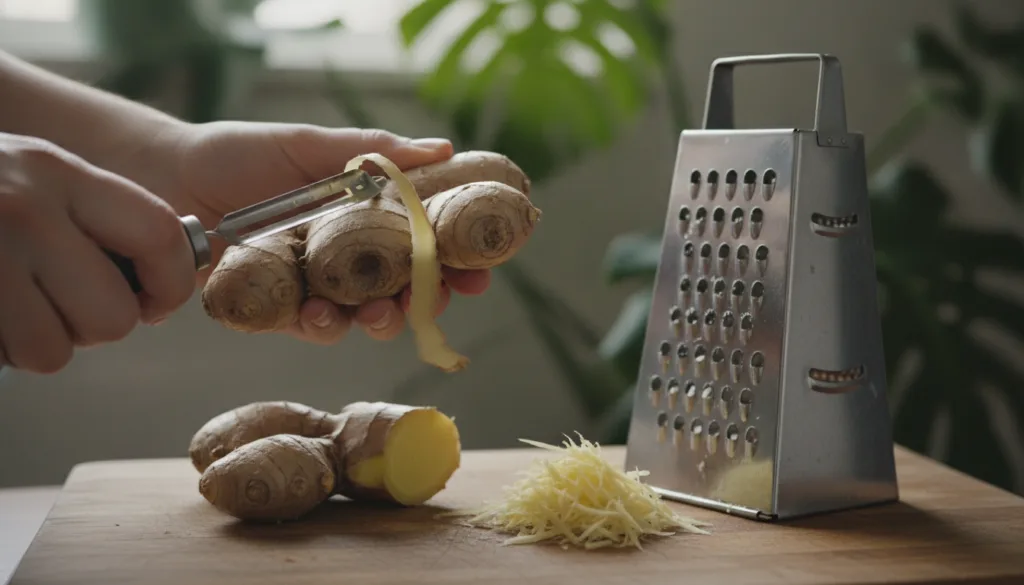
- Prepare the Ginger: Start by washing your ginger root thoroughly. You can peel it or leave the skin on – either is fine, but peeling might release more beneficial compounds. Grate the ginger finely or chop it into small pieces.
- Infuse the Water: Place the grated or chopped ginger into a jar. For every 1 inch of ginger, add about 1 cup of water. You can adjust this ratio based on the desired strength. For a 2-4 inch piece of ginger, use 2-4 cups of water.
- Let it Steep: Cover the jar and let the ginger steep in the water for at least 24 hours at room temperature. For a stronger solution, you can let it steep for up to 48 hours. You can even gently heat the mixture (don’t boil) for about 15-20 minutes, then let it cool completely, for a quicker infusion.
- Strain the Mixture: After steeping, strain the ginger pieces out of the water using a fine-mesh strainer or cheesecloth. Make sure to press out all the liquid from the ginger pulp.
- Dilute (Optional but Recommended): For general use, it’s often best to dilute your concentrated ginger water. A common ratio is to mix 1 part ginger concentrate with 5-10 parts plain water. For example, if you have 1 cup of ginger concentrate, add 5-10 cups of water.
- Store: Store any unused ginger water in an airtight container in the refrigerator for up to two weeks.
How to Use Ginger Water in Your Garden
Once you have your homemade ginger water, there are a few ways to apply it to your plants:
1. Foliar Spray:
- Pour the diluted ginger water into a spray bottle.
- Lightly mist the leaves of your plants, both tops and undersides, in the early morning or late evening. Avoid spraying in direct sunlight, which can cause leaf burn.
- This method is great for deterring pests and providing a quick nutrient boost to foliage.
2. Soil Drench:
- Add the diluted ginger water to a watering can.
- Water your plants at the base, just as you would with regular water.
- This method helps stimulate root growth and enriches the soil with beneficial compounds.
3. Seed Soaking:
- For an extra boost, you can lightly soak seeds in a very diluted ginger water solution (e.g., 1 part ginger concentrate to 20 parts water) for a few hours before planting. This can encourage faster germination.
Tips for Best Results
- Start Small: When trying any new remedy, start with a weaker solution and observe your plants’ reactions before increasing concentration or frequency.
- Frequency: Apply ginger water every 2-4 weeks during the growing season. Over-application can potentially stress plants, so moderation is key.
- Observe Your Plants: Pay attention to how your plants respond. Look for signs of improved growth, healthier leaves, or reduced pest activity.
- Complementary Care: Remember, ginger water is a supplement, not a replacement for good basic plant care. Ensure your plants are still getting adequate sunlight, water, and well-draining soil.
- Best for: Most plants can benefit, especially vegetables, herbs, and flowering plants. It’s particularly useful for young plants that need a growth boost.
Embrace the Power of Nature!
Incorporating homemade ginger water into your gardening routine is a fantastic way to embrace organic gardening practices and give your plants a natural advantage. It’s a simple, rewarding DIY project that aligns perfectly with our philosophy at Garden – L. Quyên – making gardening easy, enjoyable, and effective for everyone.
Give this secret ingredient a try and watch your garden flourish with renewed vitality! Happy gardening!