Hello, fellow gardeners! We all love seeing our plants thrive, don’t we? There’s a special joy in a garden bursting with life, from vibrant flowers to bountiful vegetables. But sometimes, our green friends need a little extra TLC, a secret boost to help them reach their full potential. Think of it as giving your garden a power-up!
Just like we need good food to stay healthy, our plants rely on nutrient-rich soil to grow strong and vibrant. When soil loses its vitality, plants can start to look a bit sad – leaves might yellow, growth can slow, or they might not produce as many fruits or flowers as you hoped. This is where we step in as the ‘Root Doctors’ of our gardens, finding simple, natural ways to bring them back to life.
Unlock Your Soil’s Potential with Coffee Grounds Water
Today, we’re sharing a fantastic, easy, and completely natural remedy that’s probably already in your kitchen: Coffee Grounds Water! This isn’t just a clever hack; it’s a simple act of care that brings so much life and renewal to your garden space.
Coffee grounds are packed with nutrients that plants love, like nitrogen, potassium, and phosphorus. They also have a slightly acidic pH, which makes them perfect for acid-loving plants. When you turn them into a ‘tea,’ you create a gentle liquid fertilizer that’s easy for your plants to absorb, giving their roots a direct shot of goodness.
The Benefits for Your Garden:
- Nutrient Boost: Provides essential nitrogen for lush green foliage.
- Improved Soil Structure: Adds organic matter, enhancing soil aeration and water retention.
- Gentle Acidity: Perfect for plants that thrive in slightly acidic conditions.
- Pest Repellent: Some gardeners find they help deter slugs and snails.
- Eco-Friendly: Repurposes a common household waste product, reducing landfill use.
How to Make & Apply Your Coffee Grounds Water
Ready to turn your used coffee grounds into a garden superpower? Here’s how easy it is:
What You’ll Need:
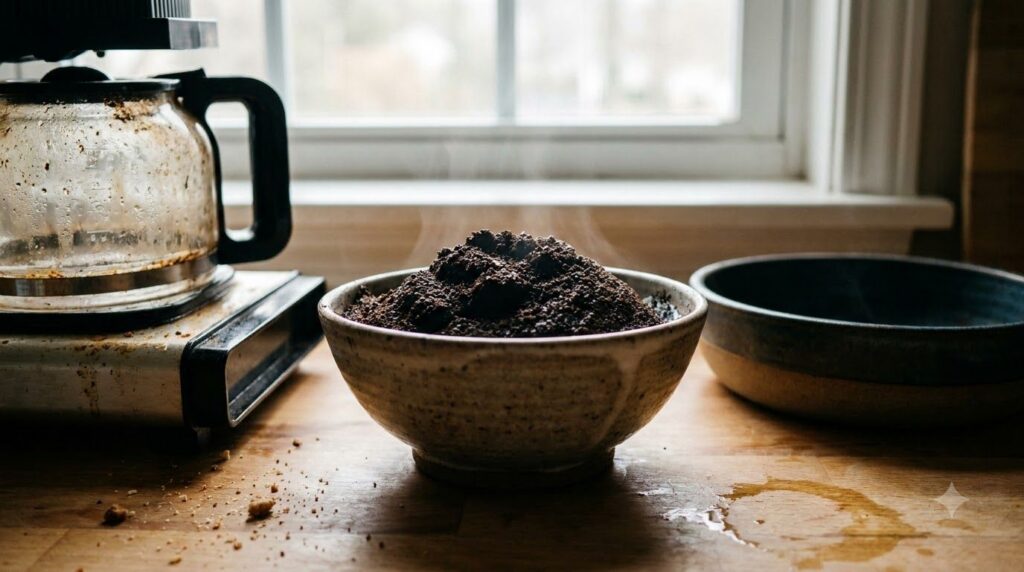
- 1 cup of used coffee grounds (fresh grounds can be too strong)
- 5 gallons of water (or adjust ratio for smaller batches: 1 part coffee grounds to 25 parts water)
- A large bucket or container
- A strainer or cheesecloth
Step-by-Step Preparation:
- Collect Your Grounds: After brewing your morning coffee, simply collect the used grounds.
- Mix: Add the used coffee grounds to your bucket.
- Add Water: Pour in the 5 gallons of water.
- Steep: Stir gently and let the mixture sit for 12-24 hours. This allows the beneficial nutrients to leach into the water.
- Strain: After steeping, use a strainer or cheesecloth to separate the liquid from the coffee grounds. You want the ‘tea,’ not the chunky bits.
Applying Your Coffee Grounds Water:
- Dilution (Optional but Recommended): For general use, you can dilute your coffee grounds water even further, especially for sensitive plants. A 1:1 ratio with plain water is a good starting point.
- Target Plants: This concoction is particularly beneficial for acid-loving plants like blueberries, rhododendrons, azaleas, hydrangeas (it can even turn pink hydrangeas blue!), camellias, and many vegetables like tomatoes, peppers, and carrots.
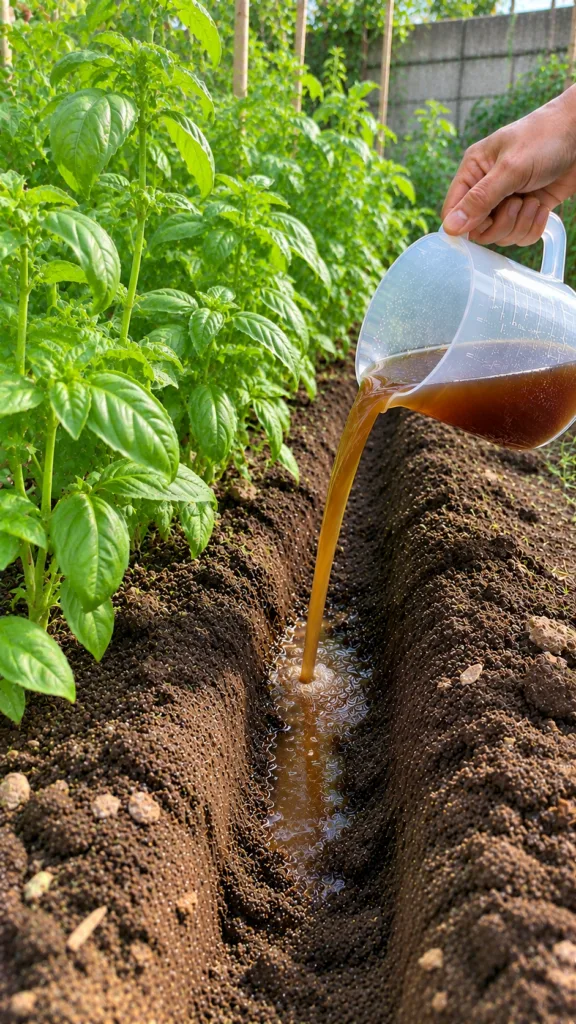
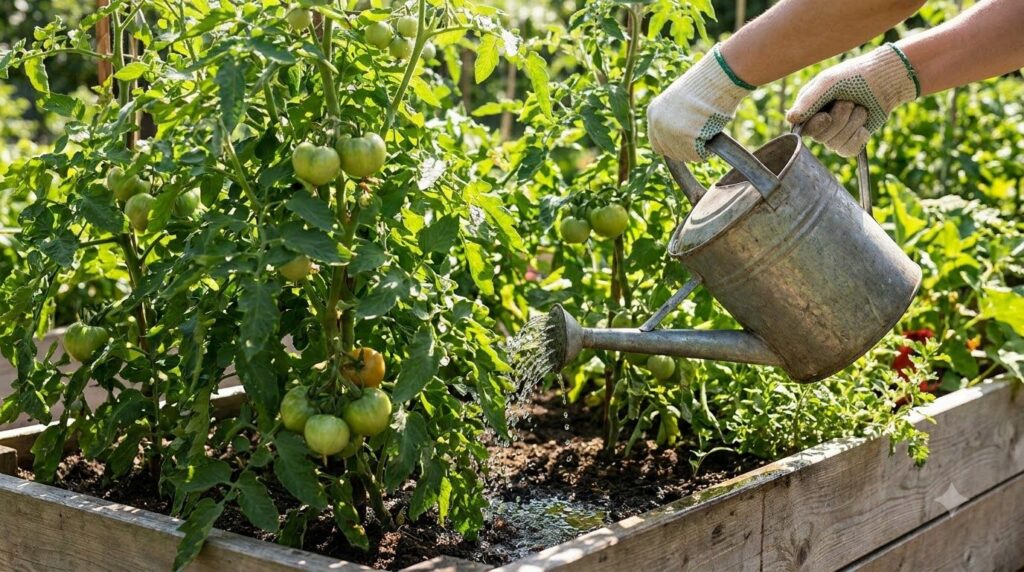
- How to Apply: Use it as a soil drench around the base of your plants, much like you would regular water or liquid fertilizer.
- Frequency: Apply once every 2-4 weeks during the growing season. Too much can make the soil overly acidic for plants that prefer neutral to alkaline conditions, so observe your plants’ reactions.
- Avoid: Plants that prefer alkaline soil, like lavender, rosemary, and honeysuckle, might not appreciate this acidic boost.
Beyond the Brew: General Soil Health Tips
While coffee grounds water is a fantastic tool, maintaining overall soil health is key to a flourishing garden year-round:
- Compost Power: Regularly amend your soil with homemade compost. It’s a powerhouse of nutrients and beneficial microbes.
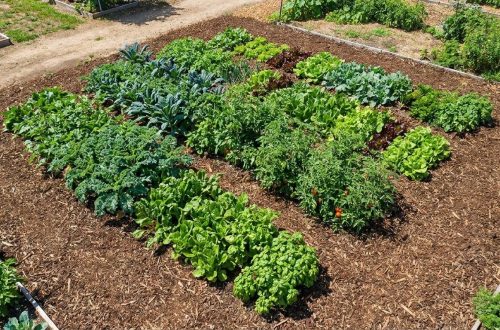
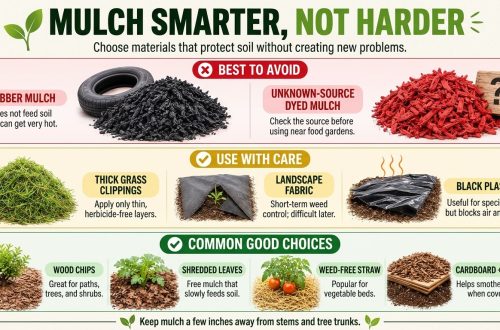
- Mulch, Mulch, Mulch: A layer of organic mulch (like straw, wood chips, or shredded leaves) helps retain moisture, suppress weeds, and regulate soil temperature, slowly breaking down to enrich the soil.
- Crop Rotation: If you grow vegetables, rotate your crops each season to prevent nutrient depletion and reduce pest and disease buildup.
- No-Till Gardening: Minimizing soil disturbance helps preserve its delicate structure and the valuable ecosystem within.
By giving your soil a little extra love with simple, natural solutions like coffee grounds water, you’re not just feeding your plants; you’re nurturing a vibrant, resilient garden ecosystem. It’s these small, consistent acts of care that truly make all the difference, transforming your space into a bountiful haven.
What’s your favorite way to keep your garden soil happy and healthy? Share your tips with our community in the comments below!