Do you dream of a lush vegetable garden but find yourself staring at shady spots, wondering if anything could possibly grow there? You’re not alone! Many gardeners believe that a bountiful harvest requires full sun, but that’s not always the case. Embrace the shade, because with a little know-how, you can turn those dappled corners into productive patches brimming with delicious, homegrown produce!
Welcome to Garden – L. Quyên, where we believe every garden, no matter how shady, has potential. Today, we’re diving into the wonderful world of shade-loving vegetables that thrive without constant direct sunlight. Get ready to expand your gardening horizons and discover a whole new range of possibilities for your outdoor space!
Understanding Your Shade: Not All Shade Is Created Equal
Before you start planting, it’s helpful to understand the different types of shade your garden might have. This will help you choose the right plants and give them the best chance to succeed:
- Full Shade: Less than 3 hours of direct sun per day, often receiving only indirect or reflected light. This can be challenging but not impossible for some crops.
- Partial Shade: 3-6 hours of direct sun per day, usually in the morning or late afternoon. This is ideal for many ‘shade-loving’ vegetables.
- Dappled Shade: Sunlight filtered through tree leaves, creating moving patterns of light and shadow throughout the day. This is often an excellent environment for many vegetables.
- Morning Sun/Afternoon Shade: This is the ‘sweet spot’ for many shade-tolerant plants. Morning sun is less intense, providing essential light without the scorching heat of the afternoon.
Top Shade-Loving Vegetables to Grow
Prepare to be amazed by the variety of delicious vegetables that don’t need all-day sun to flourish! Many leafy greens and root vegetables actually prefer a bit of shade, as it prevents bolting (going to seed prematurely) and keeps their leaves tender.
Leafy Greens That Love the Cool
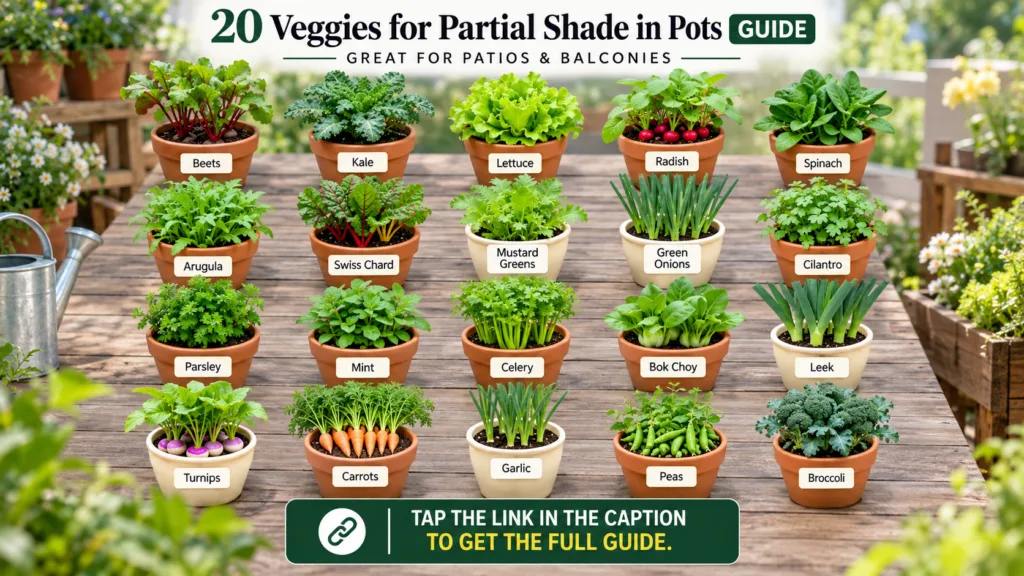
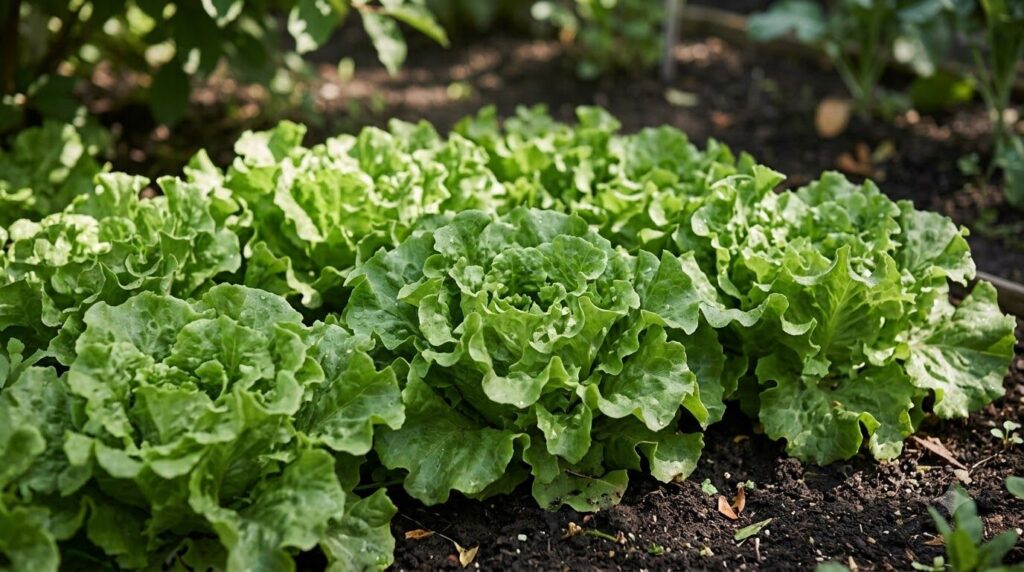
- Lettuce: Most varieties thrive in partial or dappled shade, especially in warmer climates where sun can cause it to bolt quickly. Loose-leaf and romaine types are excellent choices.
- Spinach: A classic cool-season crop that appreciates shade to extend its harvest. It helps prevent bitterness and bolting.
- Swiss Chard: Beautiful and productive, Swiss chard tolerates a good amount of shade and adds a pop of color to your garden.
- Kale: While it can handle sun, kale often produces more tender leaves and has a prolonged harvest season when grown in partial shade.
- Arugula: This peppery green will bolt very quickly in full sun but grows beautifully and offers a milder flavor in shadier spots.
- Mustard Greens: Similar to arugula, mustard greens enjoy the cooler conditions provided by shade, which delays bolting and keeps leaves flavorful.
Root Vegetables That Don’t Mind the Dark
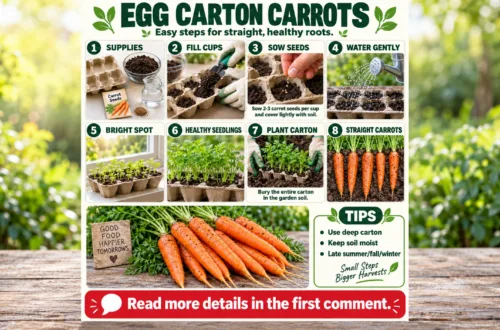
- Carrots: While they need some sun, carrots can produce sweet, tender roots with just 4-5 hours of direct sun or bright partial shade. Just make sure the soil is loose!
- Radishes: These quick-growing treats mature well in partial shade, producing crisp roots without becoming woody or overly spicy.
- Beets: Both the roots and the nutritious greens of beets do well with partial shade. They prefer cooler soil temperatures, which shade helps provide.
- Potatoes: Potatoes can yield a decent crop in partial shade, though yields might be slightly smaller than in full sun. Ensure consistent moisture.
Other Surprising Shade-Tolerant Veggies
- Broccoli & Cauliflower: These brassicas can benefit from afternoon shade, especially in areas with hot summers, to prevent bolting and burnt heads.
- Peas: While they love sun, peas can still produce a good crop with 4-5 hours of direct sun, especially shelling and snap varieties.
- Bush Beans: Many bush bean varieties can tolerate partial shade, though they might take a bit longer to mature and have slightly reduced yields.
- Scallions/Green Onions: These easy-to-grow alliums are very forgiving and do well in partial shade.
Tips for Success in Your Shady Vegetable Patch
Growing vegetables in shade isn’t just about choosing the right plants; it’s also about optimizing their environment:
- Improve Soil Quality: Shady areas can sometimes have poorer soil due to tree roots or lack of organic matter. Amend your soil generously with compost to ensure good drainage and nutrient retention.
- Water Wisely: Shady spots may retain moisture longer, but tree roots can also be significant water competitors. Monitor soil moisture carefully and water deeply when needed.
- Fertilize Regularly: Plants in shade may grow slower, but they still need nutrients. A balanced organic fertilizer can give them a boost.
- Consider Container Gardening: If your shadiest spots are problematic, try growing in containers! This allows you to control soil quality and move plants to catch more morning sun if available.
- Reflect Light: Light-colored walls or fences near your shady patch can reflect ambient light onto your plants, increasing the light they receive.
- Prune Trees (Carefully!): If shade is cast by deciduous trees, consider selectively pruning lower branches to allow more light to filter through, especially in spring before they leaf out fully.
Embrace the Potential of Your Shady Garden!
Don’t let a lack of full sun deter you from the joys of growing your own vegetables. With a thoughtful approach and the right plant choices, your shady garden spots can become highly productive and incredibly rewarding. Imagine harvesting crisp lettuce, tender spinach, or sweet radishes from areas you once thought were barren!
We hope this guide inspires you to explore the exciting possibilities of shade gardening. What are your favorite shade-loving vegetables, or do you have any clever tips for gardening in low-light areas? Share your experiences with us in the comments below – we’d love to hear from our Garden – L. Quyên community!