Are you looking for a fun, easy, and soil-free way to bring more fresh greens and unique flavors into your kitchen? Water sprouting root vegetables and rhizomes is a fantastic method that requires minimal effort and provides maximum satisfaction. Imagine harvesting your own ginger, turmeric, or even lotus root right from your countertop!
This simple technique allows you to coax new life from common kitchen scraps or purchased roots, turning them into beautiful, edible plants. It’s a wonderful project for both seasoned gardeners and complete beginners, offering a visually rewarding experience as you watch roots develop and shoots emerge.
Why Try Water Sprouting?
Beyond the sheer joy of growing your own food, water sprouting offers several compelling benefits:
- No Soil Needed: Perfect for those with limited space, apartment dwellers, or anyone who wants to avoid messy soil indoors.
- Visually Appealing: Watching roots and shoots grow in clear glass containers is incredibly fascinating and adds a touch of natural beauty to your home.
- Educational: It’s a great way to learn about plant propagation and the life cycle of plants.
- Cost-Effective: You can often use parts of vegetables you’d usually discard, giving them a second life.
- Fresh & Healthy: Enjoy fresh greens and roots, rich in nutrients, whenever you need them.
Getting Started: The Simple Steps
Water sprouting is surprisingly straightforward. Here’s what you’ll need and how to do it:
1. Choose Your Roots
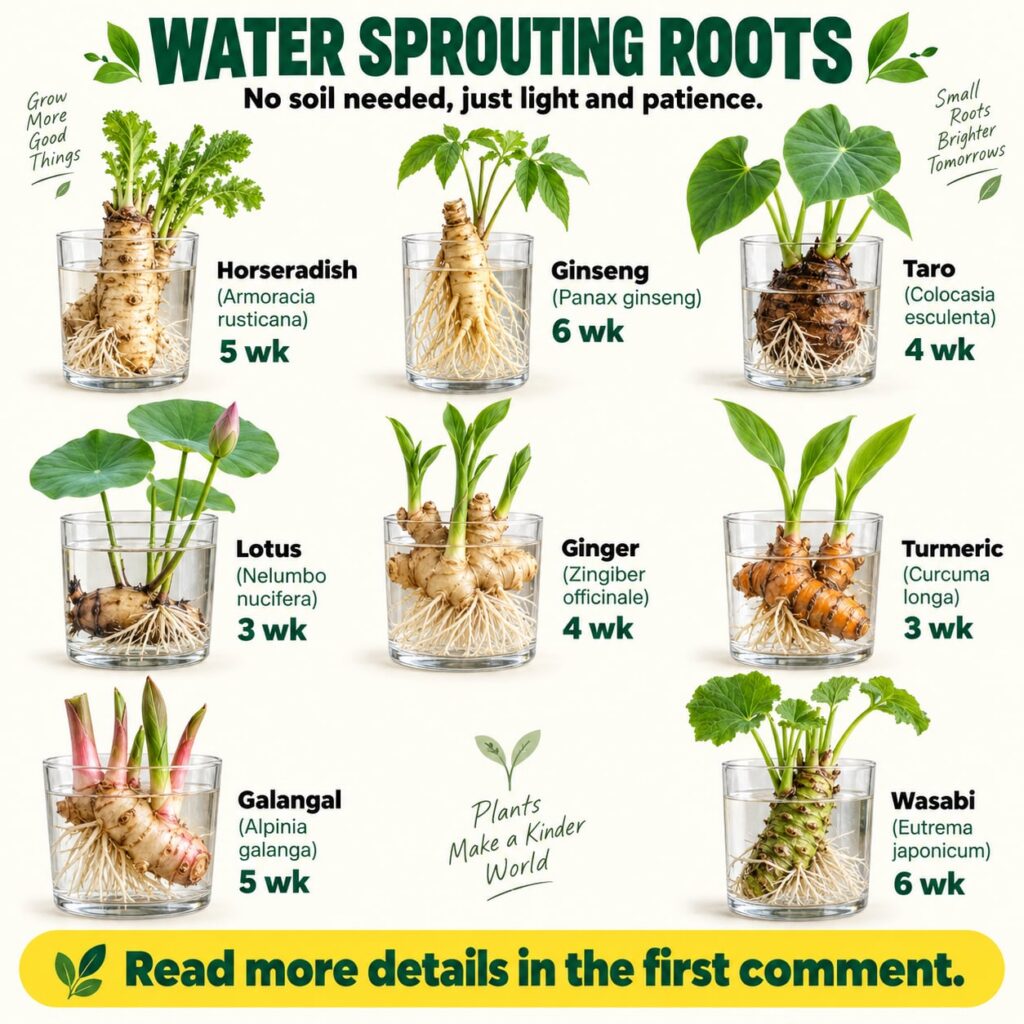
Select healthy, firm, and unblemished root vegetables or rhizomes. Look for ‘eyes’ or small bumps, which are potential growth points. Some excellent choices include:
- Ginger & Turmeric: Look for pieces with several ‘fingers’ or nodes.
- Lotus Root: If you find a fresh piece, ensure it has some intact sections.
- Taro: A starchy root that sprouts easily.
- Horseradish & Galangal: These can also be successfully sprouted.
- Wasabi & Ginseng: More exotic, but also possible with fresh, viable roots.
2. Prepare Your Roots
Gently clean your chosen root under running water. If the root is very large, you might cut it into smaller sections, ensuring each piece has at least one ‘eye’ or growing point. For ginger and turmeric, make sure the cut end is dry before placing it in water to prevent rot.
3. Select Your Container and Add Water
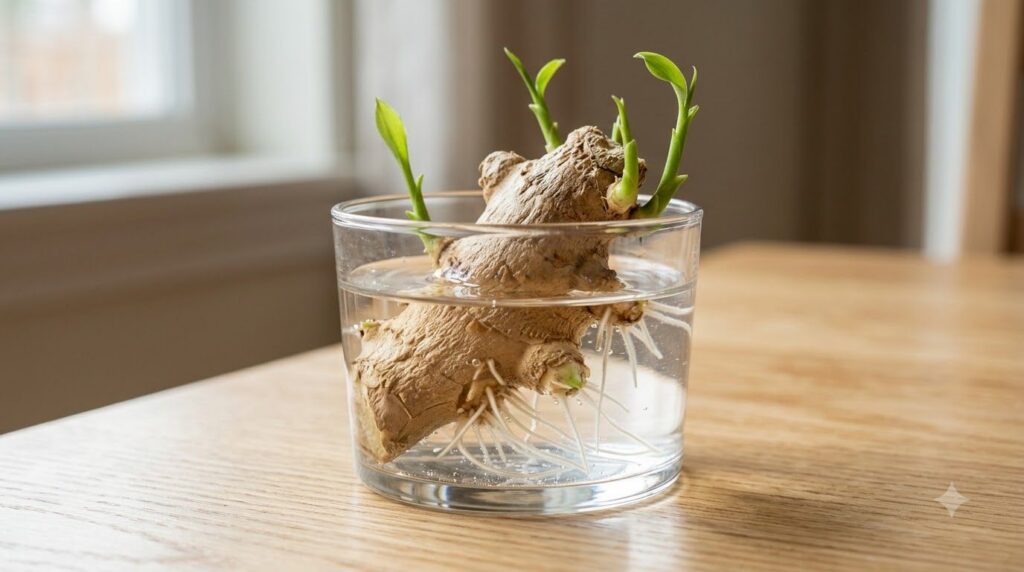
Clear glass jars, bowls, or even repurposed containers work best so you can observe the root development. Fill the container with room-temperature water. The goal is to submerge the bottom portion of the root, allowing air to circulate around the top. For some roots like ginger, you might use toothpicks to suspend it just above the water level, allowing only the very bottom to touch, or ensure the entire root is mostly submerged for faster sprouting.
4. Find the Perfect Spot
Place your container in a location that receives bright, indirect sunlight. A windowsill is often ideal. Avoid direct, harsh sunlight, which can overheat the water and stress the plant. Consistent warmth and light are key to encouraging growth.
5. Be Patient and Observe
This is where the magic happens! Within a few days to a few weeks, you’ll start to see tiny roots emerging from the submerged part and green shoots pushing upwards from the top. The sprouting time varies greatly depending on the type of root and environmental conditions.
6. Change the Water Regularly
To prevent mold, algae, and bacterial growth, change the water every 1-2 days. Fresh water provides oxygen and nutrients, keeping your sprouting root healthy. If the water looks cloudy, change it immediately.
What to Do After Sprouting
Once your root has developed a good network of roots (usually a few inches long) and a strong shoot, you have a couple of options:
- Continue in Water: Many roots, especially ginger and turmeric, can continue to grow happily in water, providing fresh greens for harvesting. Just ensure regular water changes and occasional nutrient boosts (a tiny amount of liquid plant food, diluted).
- Transplant to Soil: For a larger harvest or to grow a full plant, you can carefully transfer your sprouted root to a pot filled with well-draining potting mix. Bury the rooted section, leaving the green shoots exposed, and water thoroughly.
Troubleshooting Common Issues
- Rotting Roots: This is usually due to stale water or the root itself not being healthy to begin with. Ensure consistent water changes and use only firm, unblemished roots.
- No Growth: Patience is key! If after a few weeks there’s no sign of life, check your root for viability (it might be old or treated). Ensure it’s getting enough indirect light and that the water is fresh.
- Algae Growth: Direct sunlight can encourage algae. Move your container to a spot with indirect light and continue frequent water changes.
Water sprouting is a rewarding journey that connects you more deeply with your food and the natural world. It’s a simple act that yields beautiful results, proving that you don’t need a large garden or extensive experience to grow your own. Give it a try and enjoy the fresh, homegrown goodness!