Unlock a Lush Lawn: 12 Expert Tricks for a Greener Yard
Dreaming of a vibrant, healthy lawn that makes your neighbors green with envy? Achieving a lush, thriving yard doesn’t have to be complicated! At Garden – L. Quyên, we believe that with a few simple, expert tricks, anyone can transform their outdoor space into a verdant paradise. Forget about endless hours and costly solutions; we’re here to share 12 tried-and-true methods that actually work to give you a greener, healthier lawn.
Many gardeners face common challenges like patchy grass, persistent weeds, or just a general lack of vibrancy. Our goal is to empower you with easy-to-understand techniques that address these pain points and help you cultivate the beautiful garden you desire. Let’s dive into these practical tips that will revitalize your lawn!
1. Mow High, Mow Often
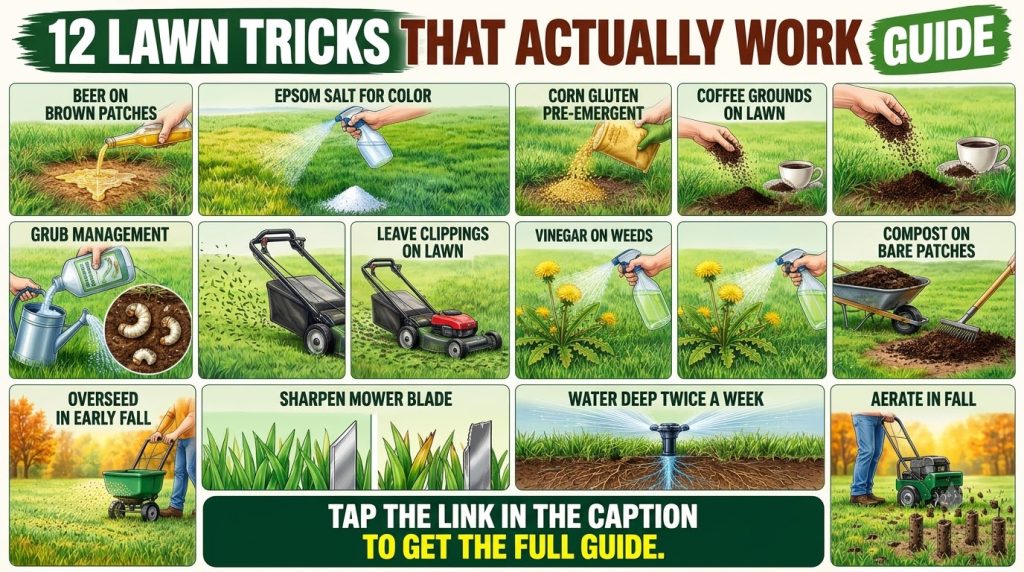
One of the simplest yet most effective tricks is to adjust your mowing height. Taller grass blades encourage deeper root growth, which makes your lawn more resilient to drought and stress. Aim to cut only the top one-third of the grass blade each time. Mowing more frequently at a higher setting also keeps weeds at bay by shading them out and prevents your lawn from going into shock.
2. Water Deeply, Less Frequently
When you water, make sure it counts! Instead of light, daily sprinklings, water deeply once or twice a week. This encourages roots to grow deeper into the soil, searching for moisture, making your lawn more drought-tolerant. The best time to water is early morning to minimize evaporation and prevent fungal diseases.
3. Fertilize with a Purpose
Understanding your lawn’s nutritional needs is key. A soil test can tell you exactly what nutrients your lawn is lacking. Generally, a slow-release granular fertilizer applied in spring and fall can provide a steady supply of nutrients, promoting consistent growth without burning the grass. Consider organic options like compost tea for a natural boost.
4. Aerate Your Soil
Compacted soil is a common problem that prevents water, air, and nutrients from reaching your grass roots. Aerating your lawn once a year, especially if you have heavy foot traffic or clay soil, creates small holes that improve circulation and drainage. This leads to stronger, healthier root systems.
5. Overseed for Density
If your lawn is looking thin or patchy, overseeding is the answer. Spreading new grass seed over your existing lawn helps fill in bare spots and increases the density, making it harder for weeds to take hold. The best time for overseeding is in the fall when the soil is still warm and weed competition is low.
6. Control Weeds Naturally
Chemical herbicides aren’t always necessary. Many common weeds can be controlled by maintaining a healthy, dense lawn (as mentioned in tips 1 and 5). For stubborn weeds, try spot treatment with natural solutions like horticultural vinegar or simply pull them by hand after a good rain when the soil is soft.
7. Leave Grass Clippings
Those grass clippings aren’t just waste; they’re valuable nutrients! When you mow, leave the clippings on the lawn. They break down quickly, returning nitrogen and other essential nutrients to the soil, acting as a natural fertilizer. This also helps reduce waste and saves you time.
8. Dethatch Regularly
Thatch is a layer of dead grass and organic matter that accumulates between the green blades and the soil surface. A thick layer of thatch can prevent water and nutrients from reaching the roots. Dethatching removes this layer, improving air, water, and nutrient penetration. Aim to dethatch when your lawn is actively growing, typically in early fall or spring.
9. Understand Your Soil Type
Knowing whether you have sandy, loamy, or clay soil is crucial for effective lawn care. Different soil types retain water and nutrients differently. For instance, sandy soils benefit from more frequent, lighter watering, while clay soils need more aeration. Adjust your care routine based on your soil’s unique characteristics.
10. Deal with Pests Organically
Grubs, chinch bugs, and other pests can wreak havoc on your lawn. Before reaching for harsh chemicals, identify the pest and consider organic control methods. Beneficial nematodes, milky spore, and neem oil are natural solutions that can effectively manage common lawn pests without harming beneficial insects or the environment.
11. Sharpen Your Mower Blades
Dull mower blades tear grass blades rather than cutting them cleanly. This leaves your lawn looking ragged and makes it more susceptible to disease and stress. Sharpen your mower blades at least once a season, or more frequently if you have a large lawn, for a clean cut and a healthier appearance.
12. Don’t Forget the Edges
A well-maintained lawn isn’t just about the grass; it’s also about crisp, clean edges. Use a string trimmer or edger to create a neat boundary around flowerbeds, driveways, and walkways. This simple step adds a professional touch and significantly enhances your lawn’s overall curb appeal.
Cultivate Your Dream Lawn
By incorporating these 12 expert tricks into your gardening routine, you’ll be well on your way to achieving a lush, healthy, and vibrant lawn that you can be proud of. Remember, gardening is a journey, not a destination. With a little patience, consistent care, and these practical tips from Garden – L. Quyên, your yard will transform into a beautiful green space that you and your family can enjoy for years to come. Happy gardening!