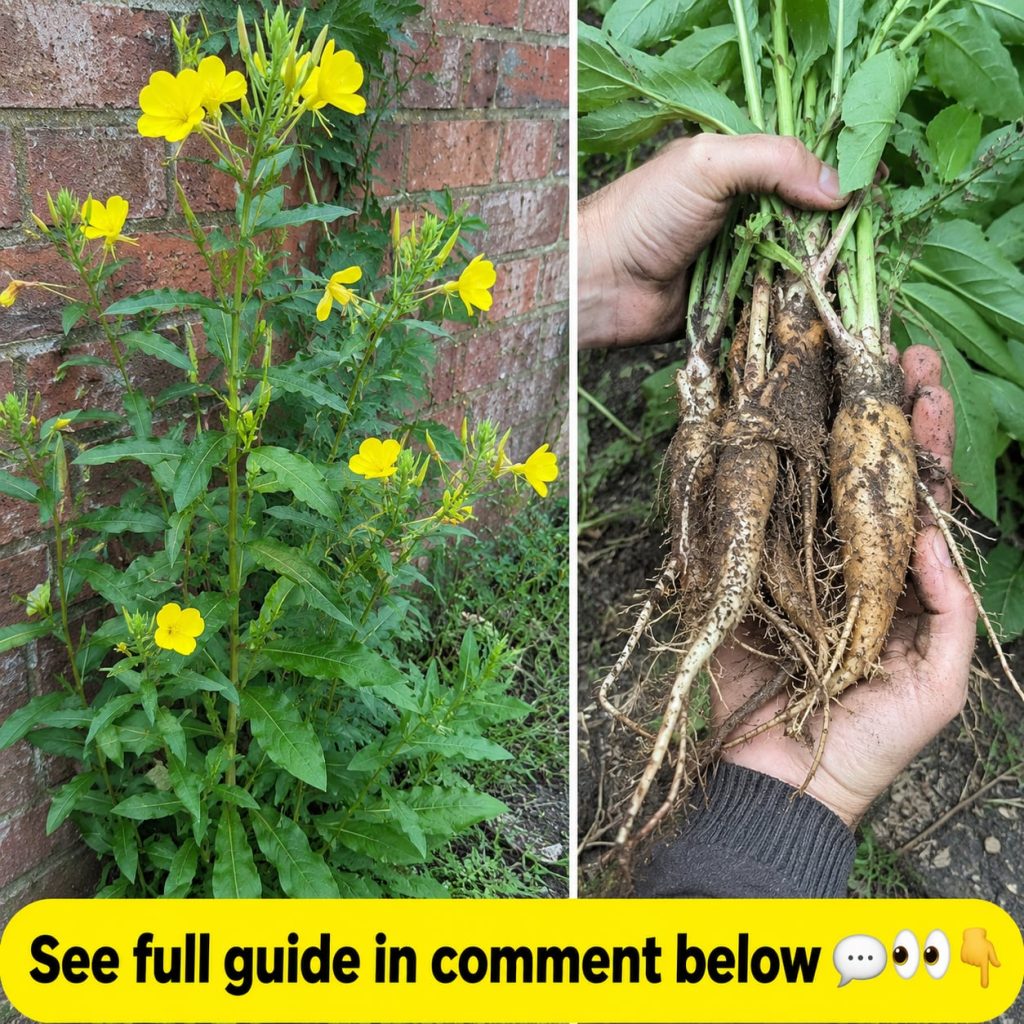
Most people walk past this plant without a second look, but its root is the part herbalists have studied for centuries. Before you dig anything up, though, there is one step most people skip: confirming that you have the right plant and that it grows in a clean area.
What It Is
Evening primrose (Oenothera biennis) is a biennial wildflower with yellow blooms that open in the evening. In its first year it forms a rosette of leaves and a thick, fleshy taproot. Traditional home preparations use the dried root as a simple decoction, while the seed oil is a separate product entirely. This guide focuses only on the root.
Ingredients
- 1 tablespoon dried evening primrose root, cut into small pieces
- 250 ml (about 1 cup) fresh filtered water
- Optional: a thin slice of fresh ginger or a teaspoon of raw honey after straining
Approximate Measurements
Start with one tablespoon of dried root per cup of water. This is a conservative starting point. Do not increase the amount to make the tea stronger, because a stronger brew does not mean a better result.
Formula and Method
Use this simple decoction method for a single cup:
- Place the dried root pieces in a small saucepan with 250 ml of cold water.
- Bring it to a gentle boil, then reduce the heat and simmer uncovered for 10 minutes.
- Remove from the heat, cover the pan, and let it steep for another 10 minutes.
- Strain through a fine mesh sieve into a cup.
- Drink it warm, and do not reheat it more than once.
How to Use
Drink one cup warm, once a day, at a time that fits your routine. Avoid drinking it on an empty stomach if you notice any stomach discomfort. Add honey only after the tea has cooled slightly, so the flavor stays clean.
How Often to Use
Limit yourself to one cup daily and take a break of at least one week after every two to three weeks of use. Most people find a short, consistent routine easier to track than a daily habit with no end date.
Here’s the part most people skip: a root decoction should taste mild and earthy. If it tastes bitter or strongly medicinal, your amount is too high.
How to Choose and Buy the Root
Buy dried root from a reputable herb supplier that lists the botanical name and harvest date. Look for pieces that are light tan or grayish, firm, and free of mold or dark spots. Avoid powders with a strong musty smell.
| Option | Best For | Shelf Life |
|---|---|---|
| Dried root pieces | Simple decoction | 6 to 12 months in a sealed jar |
| Fine powder | Quick stirring into warm water | 3 to 6 months |
| Fresh root | Cooking as a vegetable after identification | A few days refrigerated |
Fresh vs Dried
Fresh root has more moisture and is harder to measure consistently, so beginners should use dried root. If you harvest your own, wash it thoroughly, slice it thinly, and dry it in a warm, shaded, well-ventilated space until it snaps rather than bends.
Storage
Store dried root in an airtight glass jar, away from sunlight and heat. Keep it in a cool cupboard. Brewed tea should be refrigerated and used within 24 hours. Never store wet or damp root, because moisture encourages mold quickly.
Practical Tips
- Use a lid on the pot while steeping to keep the aroma and heat in.
- Label the jar with the date you dried or purchased the root.
- Keep a simple log of when you drink the tea and how you feel, so you can judge whether it suits you.
Common Mistakes
- Harvesting from roadsides or areas that may have been sprayed with herbicides.
- Boiling the root hard for a long time, which makes the brew bitter.
- Storing damp root in a sealed container, which leads to mold.
- Confusing evening primrose with other roadside plants. Always confirm the leaves, flowers, and growth habit before digging.
- Assuming more is better and drinking several cups a day.
Cautions and Who Should Avoid It
Do not use this preparation if you are pregnant, breastfeeding, or planning surgery. People taking blood thinners, seizure medication, or blood pressure medication should speak with a qualified healthcare professional before trying any herbal root. Children should not use it. Stop immediately if you notice nausea, rash, or unusual symptoms.
Quick Summary
| Question | Quick Answer |
|---|---|
| Best preparation | Simple decoction from dried root |
| Best use case | Occasional warm cup as part of a short routine |
| Storage | Dry jar for root, refrigerator for brewed tea up to 24 hours |
| When to use | In the morning or early evening with food |
| What to avoid | Wild harvesting near roads, damp storage, strong brews, and use during pregnancy |
FAQ
Can I use fresh or dried root?
Dried root is easier to measure and safer for beginners. Fresh root should only be used after you are fully confident in identification.
How long does the dried root last?
When kept sealed, dry, and away from light, it usually stays good for six to twelve months. Check for mold or off smells before every use.
Can I refrigerate the tea?
Yes. Refrigerate it in a sealed glass container and use within 24 hours. Reheat gently and only once.
Can I freeze the decoction?
Freezing is possible in small portions, but texture and flavor can change. Use within one month for the best quality.
What part of the plant is used?
This guide focuses on the first-year taproot. Leaves, flowers, and seeds are different preparations and are not covered here.
Can I reuse the root?
Reusing spent root for a second decoction is not recommended, because most of the flavor and material is already extracted.
How often should I drink it?
Keep it to one cup a day with regular breaks, and stop if you feel unwell.
When should I avoid it?
Avoid it during pregnancy, breastfeeding, before surgery, or when taking medications unless a healthcare professional approves it.
Conclusion
Evening primrose root can be a simple, traditional home preparation when it is correctly identified, cleanly harvested or purchased, and brewed gently. Start small, store it properly, and keep your routine modest.
You may also like: read more about simple herbal tea storage.
Related remedy: see the full guide to safe wild plant identification.
Continue with: learn how to make a gentle root tincture at home.