Ever notice how one week you feel foggy and restless, and the next week it is your digestion, your breathing, or your bladder acting up? Your body rarely struggles in just one place. Stress, sleep, inflammation, and gut balance can ripple through multiple systems.
That is why I love the idea of a herbal body map. It is a simple way to match gentle herbs with the body area you want to support, without turning wellness into a complicated science project.
Most people never realize this works because herbs feel subtle at first. But when used consistently and safely, they can be a calming “nudge” in the right direction.
1. Mind: Ashwagandha, Rosemary
These herbs are often used for mental clarity and brain support.
How to use
- Ashwagandha: Commonly taken as a capsule, powder in warm milk, or tincture.
- Rosemary: Use as a culinary herb, or steep as a light tea.
Best time
- Ashwagandha is often used in the evening for stress support.
- Rosemary fits well earlier in the day for a refreshed, alert feeling.

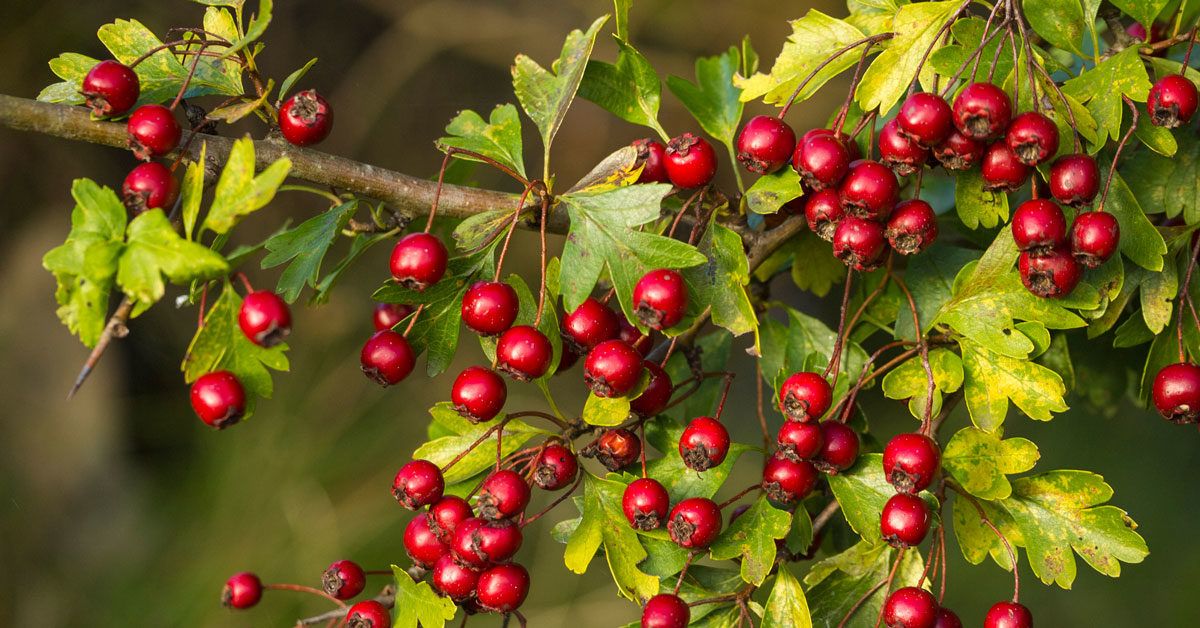
2. Heart: Hawthorn, Hibiscus
This pair is traditionally used to support circulation and vessel health.
How to use
- Hawthorn: Often taken as tea, tincture, or capsule.
- Hibiscus: Brew as a tart tea, hot or iced.
Best time
- Many people enjoy hibiscus tea midday as a gentle daily habit.
3. Liver: Milk Thistle, Turmeric
These herbs are commonly used to support liver protection and detox pathways.
How to use
- Milk thistle: Often taken as a standardized capsule or tincture.
- Turmeric: Add to soups, eggs, rice, or warm drinks.
Best time
- With meals is usually easiest, especially for turmeric.
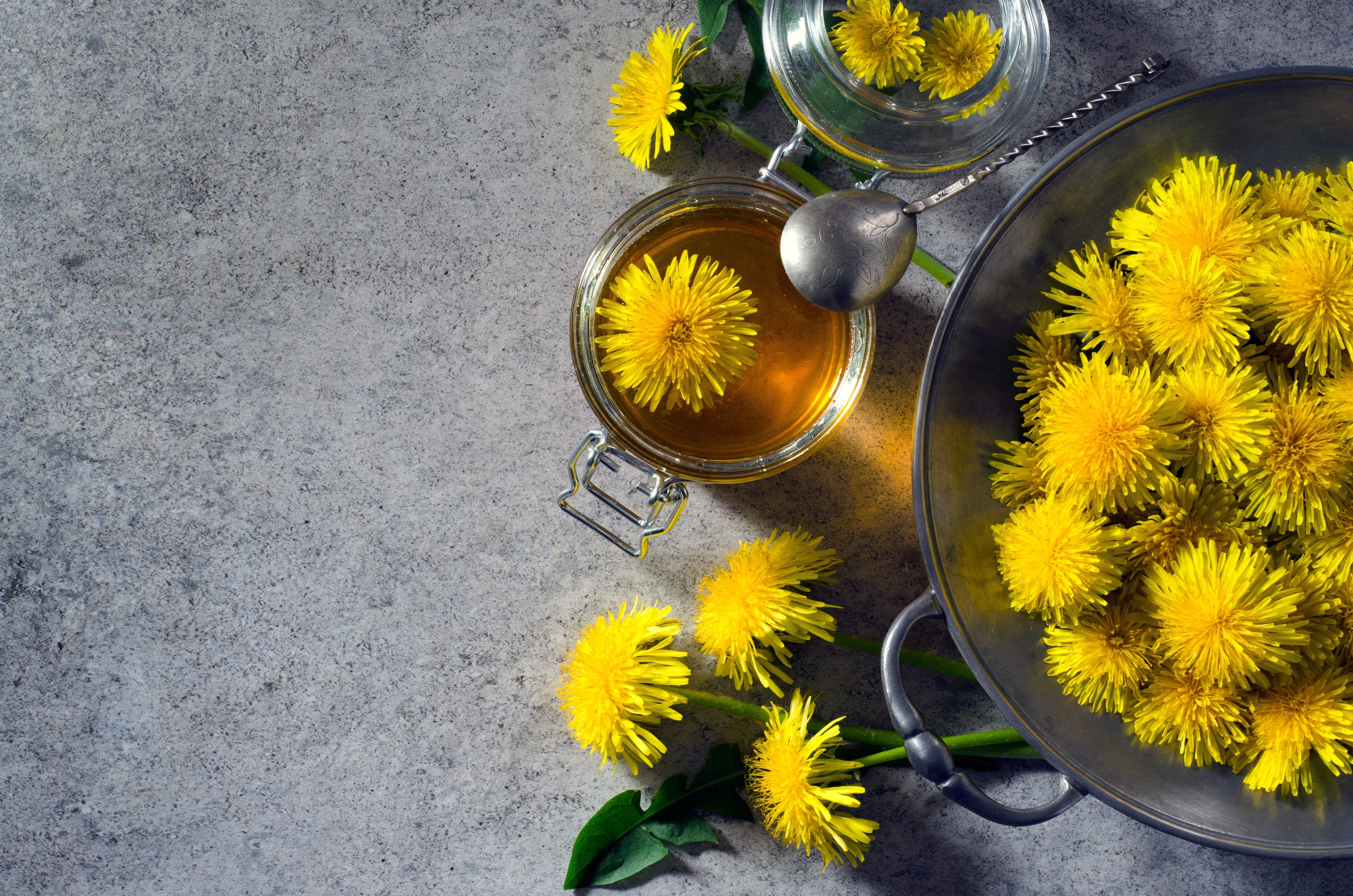
4. Kidneys: Dandelion, Nettle
Both are traditionally used for detox support and gentle fluid balance.
How to use
- Dandelion: Tea from the leaf or root is common.
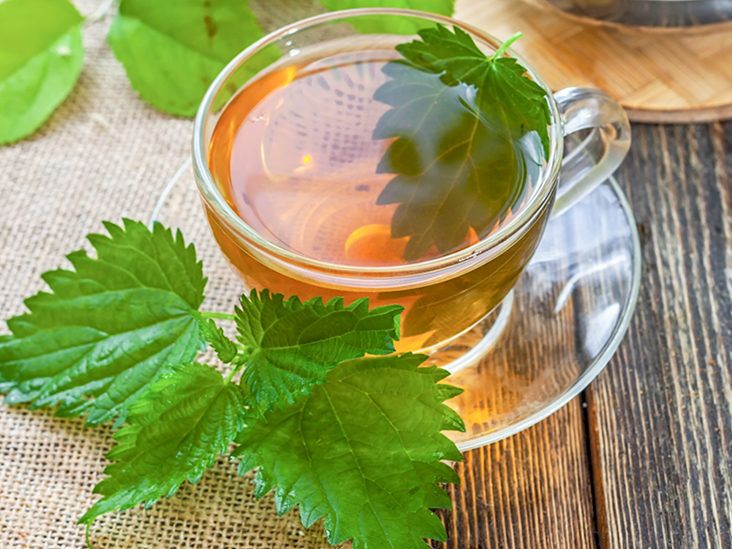
- Nettle: Steep as tea or use dried nettle in infusions.
Best time
- Earlier in the day is best, since these can increase urination.
5. Digestion: Ginger, Peppermint
These are classic go-to herbs for soothing the GI tract and supporting digestive comfort.
How to use
- Ginger: Fresh ginger tea, grated into meals, or chewed in tiny amounts.
- Peppermint: Tea after meals or diluted peppermint preparations.
Best time
- After meals or when your stomach feels heavy.
6. Lungs: Mullein, Peppermint
This combination is often used for respiratory support and decongesting.
How to use
- Mullein: Most commonly as tea. Strain well to remove fine hairs.
- Peppermint: Tea or steam inhalation with hot water.
Best time
- Evening can feel especially soothing when congestion feels worse.
7. Spleen & Pancreas: Dandelion, Ginger
This pairing is often described as an anti-inflammatory tonic that supports internal balance.
How to use
- Dandelion tea + ginger tea can be rotated, or used on different days.
- Ginger can also be used with meals to support digestive rhythm.
Best time
- Mid-morning or with lunch is a gentle option for many people.
8. Bladder: Nettle, Heather flower
These herbs are traditionally used for cleansing support and urinary comfort.
How to use
- Nettle: Tea or infusion.
- Heather flower: Commonly used as a light tea.
Best time
- Earlier in the day, and always with adequate water.
How to Use This Herbal Map Without Overdoing It
If you are new to herbs, keep it simple:
- Pick one body area to focus on for 7–14 days.
- Choose one herb (not all of them at once).
- Start with small servings, especially with teas.
A gentle tea guideline:
- 1 teaspoon dried herb (or a small handful fresh)
- Steep 10–15 minutes
- Start with ½ cup, then increase if tolerated
Safety Notes You Should Not Skip
Herbs are natural, but they still have effects.
- If you are pregnant, breastfeeding, have a medical condition, or take medications, check with a clinician before using herbal protocols.
- Hawthorn and hibiscus may affect blood pressure or interact with heart medications.
- Ashwagandha may not be appropriate for some thyroid conditions or during pregnancy.
- Turmeric can interact with blood thinners for some people, especially in high supplemental doses.
- Peppermint can worsen reflux in sensitive individuals.
- Dandelion and nettle can act as mild diuretics, so monitor hydration and electrolyte balance.
- Bladder symptoms that include fever, back pain, or blood in urine need medical attention, not just tea.
Final takeaway
This herbal body map is a simple reminder that support can be targeted: Ashwagandha + Rosemary (mind), Hawthorn + Hibiscus (heart), Milk Thistle + Turmeric (liver), Dandelion + Nettle (kidneys), Ginger + Peppermint (digestion), Mullein + Peppermint (lungs), Dandelion + Ginger (spleen & pancreas), and Nettle + Heather fl. (bladder).
Save this guide if you want to try it later.