Master Your Fruit Pruning Skills: A Guide to Abundant and Delicious Harvests
Welcome, fellow garden enthusiasts! Are you dreaming of a bountiful harvest of juicy, delicious fruits right from your own backyard? The secret to achieving this isn’t just about planting the right tree; it’s about mastering the art of fruit tree pruning. Pruning might seem intimidating at first, but with a little knowledge and practice, you can transform your trees into prolific fruit producers. Let’s dig in!
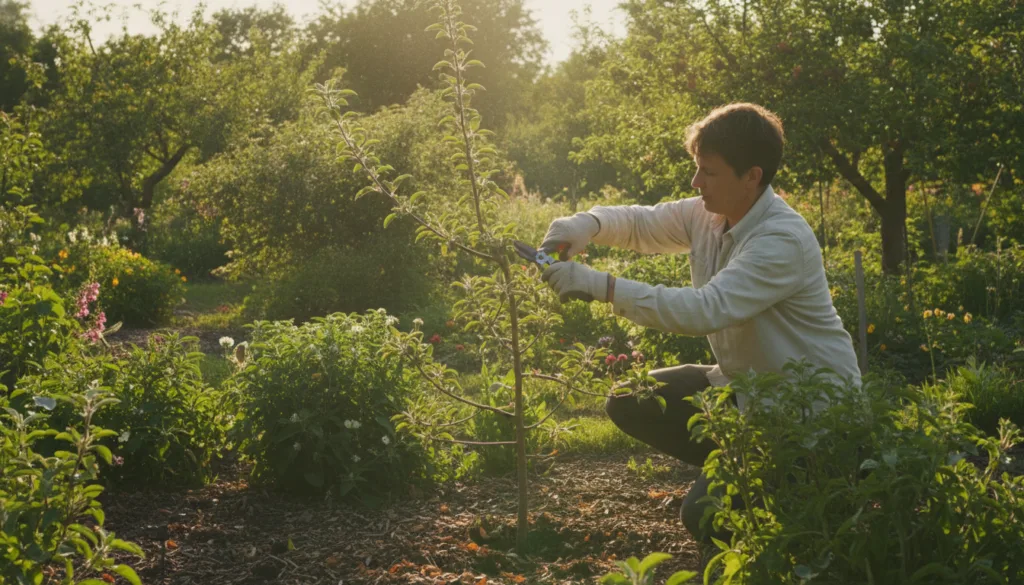
Why is Pruning Essential for Fruit Trees?
Pruning is more than just trimming branches; it’s a vital practice that dramatically impacts the health, productivity, and longevity of your fruit trees. Here’s why it’s so important:
- Increased Fruit Production: Proper pruning directs the tree’s energy into developing more fruit-bearing wood rather than excessive vegetative growth.
- Improved Fruit Quality: By opening up the canopy, more sunlight reaches the developing fruits, leading to better color, flavor, and size.
- Enhanced Tree Health: Removing dead, diseased, or damaged branches prevents the spread of pathogens and pests, keeping your tree robust.
- Better Air Circulation: An open canopy allows for better airflow, reducing humidity and the risk of fungal diseases.
- Structural Strength: Pruning helps establish a strong framework that can support heavy fruit loads without breaking.
- Managed Size and Shape: You can shape your tree to fit your space, making harvesting and maintenance easier.
When is the Best Time to Prune?
The timing of your pruning can significantly affect your tree’s growth and fruit production. Generally, there are two main types of pruning:
Dormant Pruning (Late Winter/Early Spring)
This is the most common and impactful time for pruning. When the tree is dormant (before buds begin to swell), it’s easier to see the tree’s structure and make significant cuts. This type of pruning encourages vigorous growth in the spring and is ideal for:
- Establishing tree structure
- Removing large dead or crossing branches
- Reducing overall tree size
- Encouraging new fruiting wood
Summer Pruning (Late Spring/Early Summer)
Summer pruning is typically lighter and focuses on controlling growth and redirecting energy. It’s used for:
- Slowing down vigorous growth
- Opening up the canopy for better light penetration
- Removing water sprouts and suckers
- Encouraging fruit bud development for the following year
Quick Tip: For most deciduous fruit trees (apples, pears, plums, peaches), dormant pruning is key. Cherries are an exception, often best pruned in summer after harvesting to avoid bacterial canker. Always research the specific needs of your tree type!
Essential Tools for Pruning
Having the right tools makes the job easier and ensures clean, healthy cuts:
- Hand Pruners (Bypass Type): For small branches (up to 3/4 inch).
- Loppers: For branches up to 1.5-2 inches thick.
- Pruning Saw: For larger branches.
- Gloves: To protect your hands.
- Safety Glasses: To protect your eyes from debris.
Always ensure your tools are sharp and clean. Dull tools can tear bark, and dirty tools can spread diseases.
Basic Pruning Techniques to Master
Before you make any cut, stand back and observe your tree. Visualize its desired shape and identify areas that need attention.
- Remove the ‘4 D’s’: Start by cutting out any branches that are Dead, Damaged, Diseased, or Deranged (crossing or rubbing). This is crucial for tree health.
- Thinning Cuts: Remove an entire branch back to its point of origin (main trunk or larger branch) to open up the canopy. This encourages good air circulation and light penetration.
- Heading Cuts: Shorten a branch, typically to an outward-facing bud or side branch. This encourages bushier growth and can stimulate fruit bud development.
- Make Clean Cuts: Always cut just outside the branch collar (the slightly swollen area where a branch meets the trunk or a larger branch). The branch collar contains special cells that help the tree heal. Avoid leaving stubs or cutting too close to the trunk.
- Manage Water Sprouts and Suckers: These are vigorous, upright shoots that don’t typically produce fruit. Water sprouts grow from branches, and suckers grow from the base of the tree or roots. Remove them to direct energy to productive parts of the tree.
Pruning for Different Fruit Tree Types
While the basic principles apply, different fruit trees benefit from specific training systems:
- Pome Fruits (Apples, Pears): Often trained to a central leader (a main trunk with horizontal scaffold branches) or a modified central leader system.
- Stone Fruits (Peaches, Plums, Nectarines, Apricots): Typically pruned to an open vase (or open center) system, which allows maximum sunlight into the canopy and encourages lateral growth.
Common Pruning Mistakes to Avoid
- Over-Pruning: Removing too much foliage can stress the tree and reduce fruit production. Aim to remove no more than 20-30% of the canopy in one season.
- Leaving Stubs: These don’t heal properly and can become entry points for pests and diseases.
- Cutting into the Branch Collar: This inhibits the tree’s natural healing process.
- Incorrect Timing: Pruning at the wrong time can remove fruit buds or make the tree vulnerable to disease.
- Using Dull Tools: Leads to ragged cuts that are harder for the tree to heal.
Start Pruning for Success!
Pruning is an ongoing partnership with your fruit trees. By understanding the basics and practicing regularly, you’ll soon develop a keen eye for what your trees need. Imagine biting into that perfect, homegrown apple or peach – it’s all within your reach with proper pruning skills!
Do you have any favorite pruning tips or success stories? Share them in the comments below!