Living with colitis often changes the way people think about food.
Meals are no longer just about taste — they’re about comfort, predictability, and how the body responds afterward.
The right food choices won’t “fix” colitis, but they can make daily life feel calmer and more manageable. This guide focuses on gentle eating habits and supportive food choices, especially for those who want to reduce digestive stress without overcomplicating their diet.

Managing Colitis Through Everyday Eating
Colitis affects the colon, and for many people, symptoms fluctuate depending on what and how they eat.
Some foods feel fine one day and uncomfortable the next. That’s why slow, mindful eating and paying attention to patterns matters more than strict rules.
Instead of chasing perfect nutrition, many people with colitis benefit from meals that are:
-
simple
-
lightly cooked
-
easy to digest
Understanding which foods tend to irritate the gut — and which ones feel soothing — is often the first step toward more stable digestion.
Foods to Avoid: Common Triggers for Digestive Discomfort
During flare-ups or sensitive periods, certain foods are more likely to feel heavy or irritating.
High-fiber foods can be difficult for some people, especially when the gut lining is inflamed. Raw vegetables, whole nuts, seeds, popcorn, and legumes may increase cramping or bloating.
Dairy products are another common issue. Many people with colitis notice discomfort after milk, cheese, or creamy foods, particularly if lactose sensitivity is present.
Fatty, fried, or heavily spiced meals can also slow digestion and increase irritation. These foods often sit longer in the gut, which may worsen symptoms like diarrhea or abdominal pain.
Understanding these patterns doesn’t mean eliminating foods forever. It simply helps create calmer meals when the digestive system needs extra care.
Many people still wonder how to balance comfort with nourishment once trigger foods are reduced.
Colitis-Friendly Foods: Gentle Choices That Feel Easier on the Gut
While avoiding triggers helps reduce discomfort, focusing on supportive foods is just as important.
Well-cooked vegetables are often better tolerated than raw ones. Steaming, boiling, or roasting softens fiber and makes meals easier to digest.
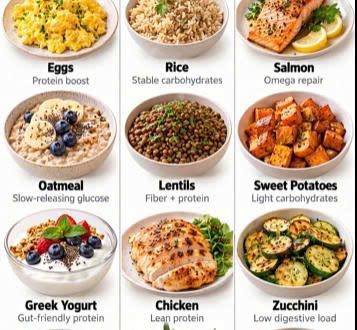
Lean proteins such as eggs, baked fish, skinless poultry, or tofu provide nourishment without adding excess fat. These foods tend to feel lighter while still supporting energy needs.
Low-fiber fruits like bananas, melon, and applesauce are commonly easier to digest than fruits with skins or seeds. Simple grains and refined starches may also feel gentler during sensitive periods.
Some people also include fermented or cultured foods in small amounts, depending on tolerance. These foods are often chosen slowly, paying close attention to how the body reacts.
Even with these adjustments, digestion can feel different from person to person.
Eating Patterns That Support Long-Term Comfort
Managing colitis is rarely about one perfect diet.
What works well for one person may not feel right for another.
Many people find it helpful to:
-
eat smaller, consistent meals
-
avoid long gaps between meals
-
stay hydrated throughout the day
Keeping a simple food journal can help identify personal patterns over time. Rather than tracking calories or nutrients, noticing how the body feels after meals is often more useful.
Because responses vary, some people eventually look for additional guidance or supportive options beyond food alone.
A Calm, Practical Approach to Digestive Wellness
Food choices play a meaningful role in how colitis feels day to day. By choosing meals that are simple, gentle, and familiar, many people experience fewer surprises and more digestive ease.
This approach isn’t about restriction or perfection. It’s about listening to the body, adjusting slowly, and building meals that support comfort over time.
Small, mindful changes can make eating feel less stressful and more supportive — one meal at a time.
The information on this site is for general wellness purposes only and is not intended to replace professional advice. Individual needs and responses may vary.