Many people think blood sugar stability means avoiding carbs completely.
In reality, it’s often about how foods are paired, how fast they digest, and how steady the energy curve feels afterward.
This guide focuses on everyday foods that tend to support steadier blood sugar, especially for those who want calmer energy, fewer crashes, and a more predictable relationship with food.
Blood Sugar Is About Balance, Not Restriction
Blood sugar doesn’t rise and fall only because of sugar itself.
It responds to protein, fat, fiber, and meal structure working together.
Meals that digest more slowly often lead to:
-
gentler energy release
-
fewer sharp hunger signals
-
a calmer mood after eating
Instead of strict rules, many people find it helpful to notice which foods help them feel steady and which ones lead to quick spikes followed by dips.
Foods That Tend to Support a Steadier Curve
Below are common foods often included in meals designed for slower digestion and more stable energy.
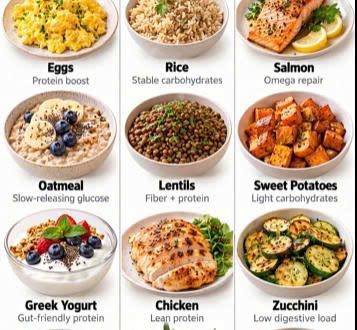
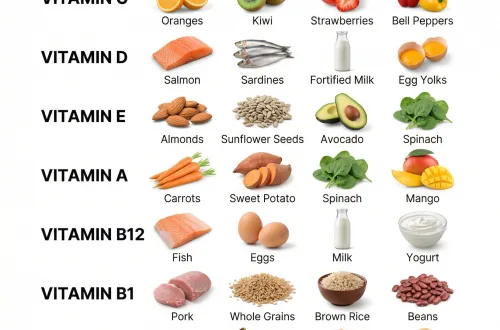
- Eggs: Eggs contain protein and fat with minimal carbohydrate impact. They’re often used to balance meals that include carbs.
- Lentils: Lentils digest more slowly than refined grains and are commonly chosen for their low glycemic impact.
- Beans: provide fiber that helps slow glucose absorption when eaten as part of a mixed meal.
- Oats: Oats release energy gradually, especially when paired with protein or fat.
- Yogurt: Yogurt combines protein and fat, which can help buffer carbohydrate digestion for some people.
- Sweet Potatoes: Sweet potatoes offer carbohydrates with a steadier release compared to more refined starches.
- Fish: Fish provides protein without added carbs, often used to anchor meals.
- Olive Oil: Healthy fats like olive oil can slow digestion and support smoother energy patterns.
- Nuts and Seeds: Nuts and seeds are fat- and fiber-rich, commonly added in small amounts to stabilize meals.
- Vegetables: Vegetables add volume and fiber without a sharp blood sugar response.
Understanding these foods doesn’t mean they work the same way for everyone.
Many people still wonder how to combine them in real meals for better balance.
How Food Pairing Changes Blood Sugar Response
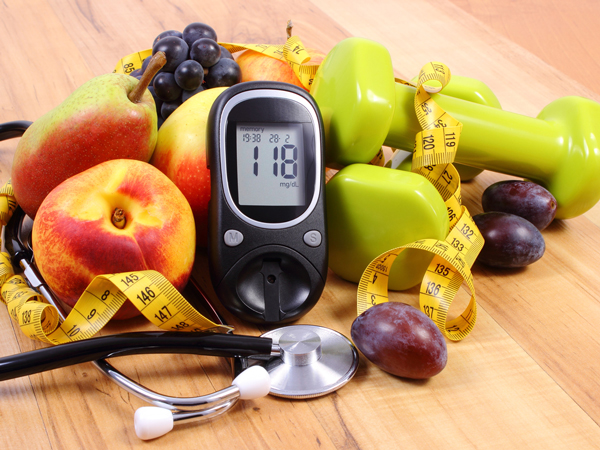
Blood sugar stability often improves when foods are combined thoughtfully rather than eaten alone.
For example:
-
Carbs paired with protein tend to digest more slowly
-
Adding fat can soften glucose spikes
-
Fiber helps slow absorption
The same carbohydrate may feel very different depending on what it’s eaten with and how quickly it’s consumed.
What works well for one person may feel different for another.
Everyday Eating Habits That Support Stability
Beyond specific foods, eating patterns matter just as much.
Many people find steadier energy when they:
-
eat regular meals instead of skipping
-
avoid long gaps between meals
-
slow down while eating
-
keep portions consistent
Tracking how the body feels after meals — rather than chasing numbers — can reveal patterns over time.
Even with supportive foods and habits, some people notice their energy still fluctuates and start looking for additional guidance.
A Calm Approach to Blood Sugar Support
Stabilizing blood sugar doesn’t require extreme diets or cutting out entire food groups.
For many people, it’s about building meals that digest slowly, feel satisfying, and support steady energy throughout the day.
Small adjustments — pairing foods differently, eating more consistently, and choosing familiar, grounding meals — can make a noticeable difference over time.
This content is for general wellness and educational purposes only. Individual responses vary, and it is not intended as medical advice.