Simple lunch plates work best when meals are balanced, familiar, and easy to digest — especially during busy afternoons.
Many people feel sleepy, foggy, or unfocused after lunch — even when the meal looks “healthy.”
This isn’t usually because lunch is too large or too indulgent.
It happens because digestion pulls energy away from the brain when meals are poorly structured.
Lunch works best when it delivers fuel without urgency, supports digestion, and sends clear satiety signals.
That’s why simple, balanced lunch plates outperform complex recipes.
This guide breaks down repeatable lunch plates that support steady energy — with clear ingredient lists, simple assembly, and the physiological reason each plate works.
Why Simple Lunch Plates Don’t Crash Energy
Lunch crashes aren’t about calories. They’re about digestive load and blood sugar rhythm.
Common lunch mistakes include:
-
Refined carbs without protein or fat
-
Large meals eaten quickly
-
Too much variety creating digestive stress
-
Skipping lunch, then overeating later
When digestion accelerates too fast, blood glucose rises and falls sharply.
The result is fatigue, brain fog, and cravings in the afternoon.
Balanced lunch plates slow digestion and keep energy available where you need it — in the brain.
Simple Lunch Plate Structure for Steady Energy
Every effective lunch plate follows the same internal structure:
-
Protein → anchors satiety and slows digestion
-
Carbohydrates → provide usable fuel
-
Fat → moderates glucose release
-
Fiber / vegetables → stabilize digestion and gut signaling
These meals don’t need to be exciting.
They need to be predictable.
Simple Lunch Plate Recipes (Step-by-Step)
1. Rice + Eggs + Olive Oil
Balanced carbs, protein, and fats
Ingredients
-
Cooked white or brown rice (1–1½ cups)
-
2 eggs (fried, soft-boiled, or scrambled)
-
1–2 teaspoons olive oil
-
Optional: salt, pepper, herbs
How to assemble
-
Place warm rice in a bowl or plate
-
Top with eggs
-
Drizzle olive oil and season
Why this plate works
Rice provides gentle glucose release, eggs slow digestion through protein and fat, and olive oil reduces blood sugar spikes.
This plate fuels the brain without creating post-lunch heaviness.

2. Potatoes + Fish
Gentle starch with sustained fuel
Ingredients
-
Boiled or roasted potatoes
-
Grilled or baked fish (salmon, cod, sardines)
-
Olive oil or butter
-
Optional: lemon, herbs
How to assemble
-
Plate potatoes as the base
-
Add fish on top or alongside
-
Finish with fat and seasoning
Why this plate works
Potatoes digest more smoothly than refined grains, especially when paired with protein.
Fish provides omega-3 fats that support metabolic calm and cognitive function.
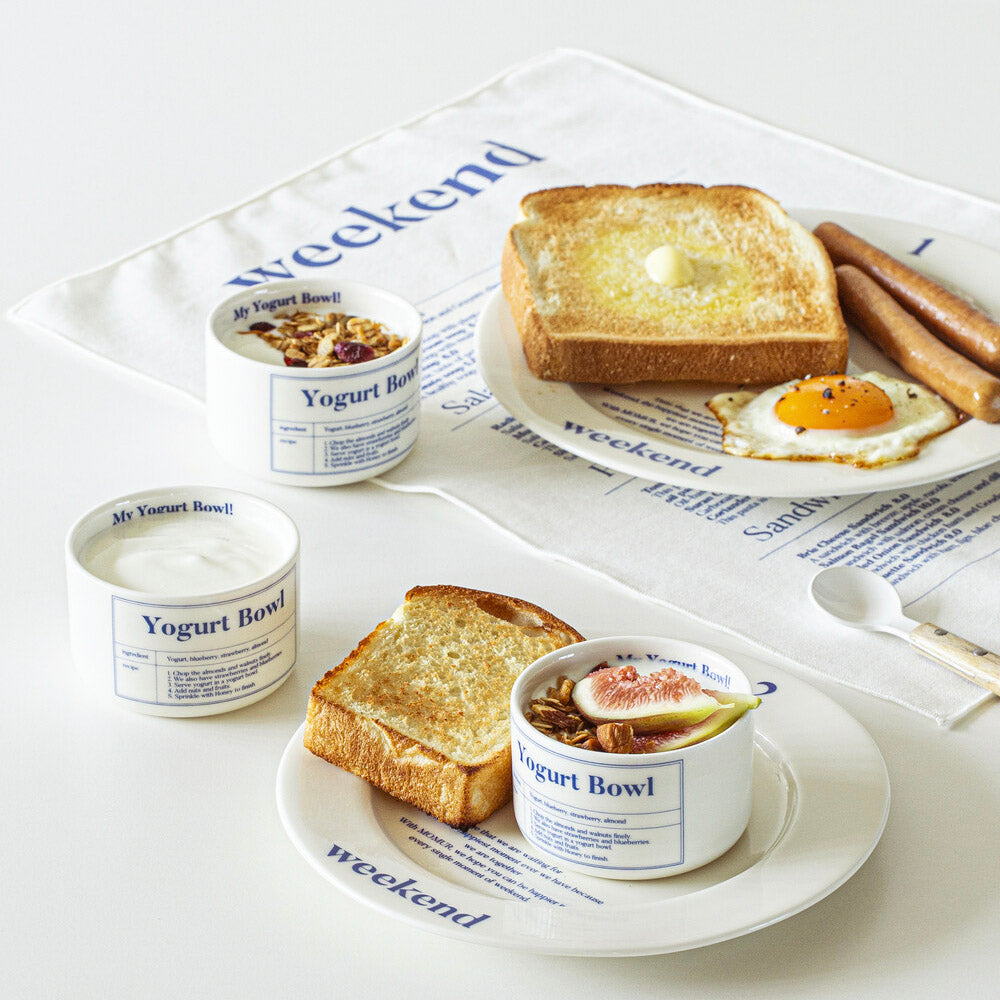
3. Yogurt Bowl + Bread
Fermented protein plus carbohydrates
Ingredients
-
Plain yogurt (Greek or regular)
-
Slice of sourdough or whole-grain bread
-
Optional: olive oil, seeds, salt
How to assemble
-
Serve yogurt in a bowl
-
Eat bread alongside (optionally dipped in olive oil)
Why this plate works
Fermented dairy supports gut signaling, while bread provides steady fuel.
This combination prevents rapid glucose swings and works well for lighter lunches.
4. Grain Bowl + Protein
Slower digestion, longer focus
Ingredients
-
Cooked grains (rice, quinoa, farro)
-
Protein: chicken, fish, tofu, or beans
-
Vegetables (raw or cooked)
-
Sauce or fat (olive oil, tahini, yogurt sauce)
How to assemble
-
Start with grains
-
Add protein
-
Fill half the bowl with vegetables
-
Finish with sauce or fat
Why this plate works
Protein and fiber slow carbohydrate absorption, reducing energy dips and improving satiety through the afternoon.
5. Soup + Toast
Warm, calming digestion
Ingredients
-
Vegetable, chicken, or lentil soup
-
Slice of bread or toast
-
Optional: butter or olive oil
How to assemble
-
Serve soup warm
-
Eat toast alongside or dipped
Why this plate works
Warm foods reduce digestive stress and support the body’s rest-and-digest response, preventing afternoon fatigue.
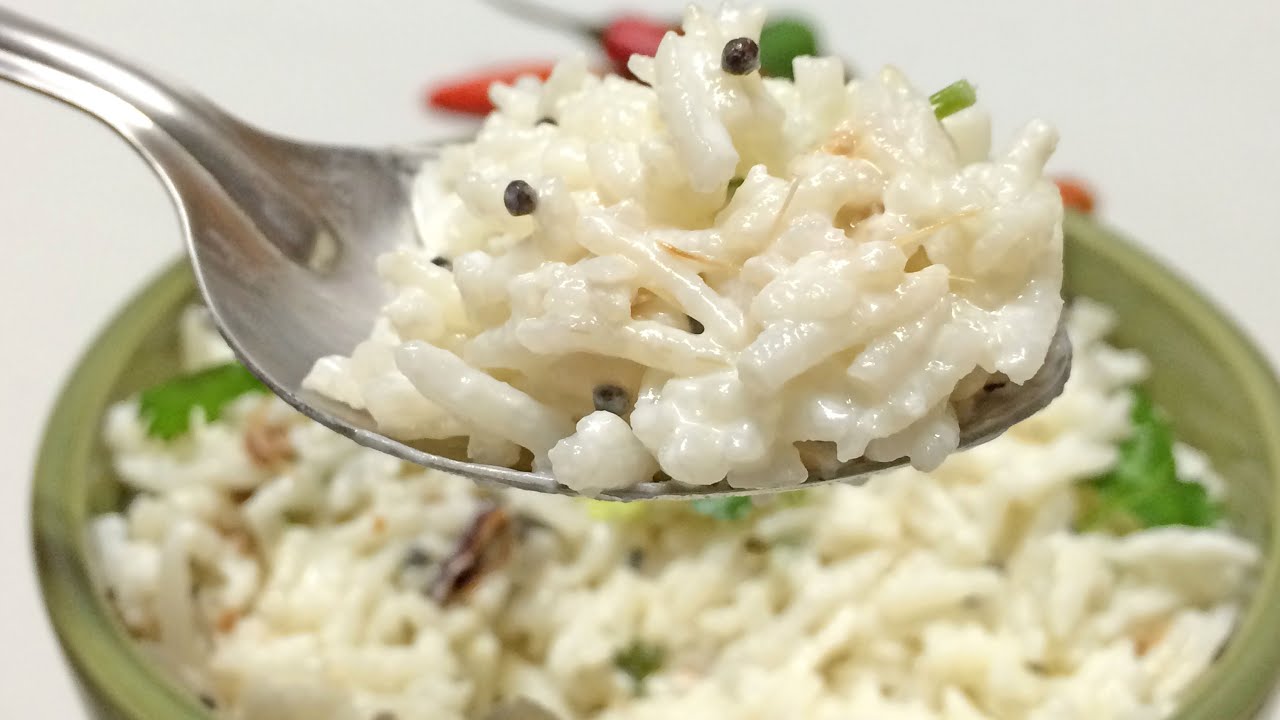
6. Rice + Yogurt
Simple, calming combination
Ingredients
-
Cooked rice
-
Plain yogurt
-
Optional: salt or olive oil
How to assemble
-
Combine in a bowl or eat side by side
Why this plate works
This traditional pairing slows digestion and stabilizes glucose release, especially useful on high-stress days.
7. Eggs + Vegetables
Protein-forward lunch
Ingredients
-
2–3 eggs
-
Mixed vegetables (spinach, peppers, tomatoes, greens)
-
Cooking fat
How to assemble
-
Cook eggs
-
Sauté or steam vegetables
-
Combine on a plate
Why this plate works
Protein anchors appetite while vegetables provide fiber without heaviness, reducing afternoon cravings.
8. Cottage Cheese Plate
Light but filling
Ingredients
-
Cottage cheese
-
Vegetables (cucumber, tomatoes)
-
Optional: nuts, seeds, olive oil
How to assemble
-
Use cottage cheese as the base
-
Add vegetables and fat
Why this plate works
Slow-digesting dairy protein supports satiety and minimizes blood sugar fluctuations.
9. Savory Oats Bowl
Blood sugar–friendly lunch
Ingredients
-
Rolled oats cooked in water or broth
-
Egg, cheese, or tofu
-
Vegetables
-
Optional: olive oil
How to assemble
-
Cook oats
-
Add protein and vegetables
-
Finish with fat
Why this plate works
Savory oats digest more slowly than sweet versions and reduce insulin spikes when paired with protein.
How to Use These Lunch Plates Long-Term
You don’t need variety every day.
Choose 2–3 plates and repeat them multiple times per week.
Familiar meals reduce decision fatigue and help appetite regulate naturally.
Consistency matters more than novelty.
Final Takeaway
Lunch doesn’t crash energy because of calories.
It crashes energy because digestion becomes chaotic.
Simple, structured lunch plates:
-
Stabilize blood sugar
-
Reduce post-meal fatigue
-
Support focus and appetite control
Eating well at lunch isn’t about perfection.
It’s about meals your body recognizes and trusts. If you enjoy structured, repeatable meals, these principles also apply to balanced dinner bowls designed to support steady energy and appetite later in the day.




Great lunch meal ideas!