Feeling run-down and trying to tighten up your nutrition? Blood building foods are a practical way to support healthy red blood cell production by focusing on iron (heme + non-heme), vitamin B12, folate, copper, vitamin A (retinol), vitamin C, and enough protein.
This isn’t about quick fixes or “miracle” claims. It’s about choosing foods that help you cover the building blocks your body uses every day.
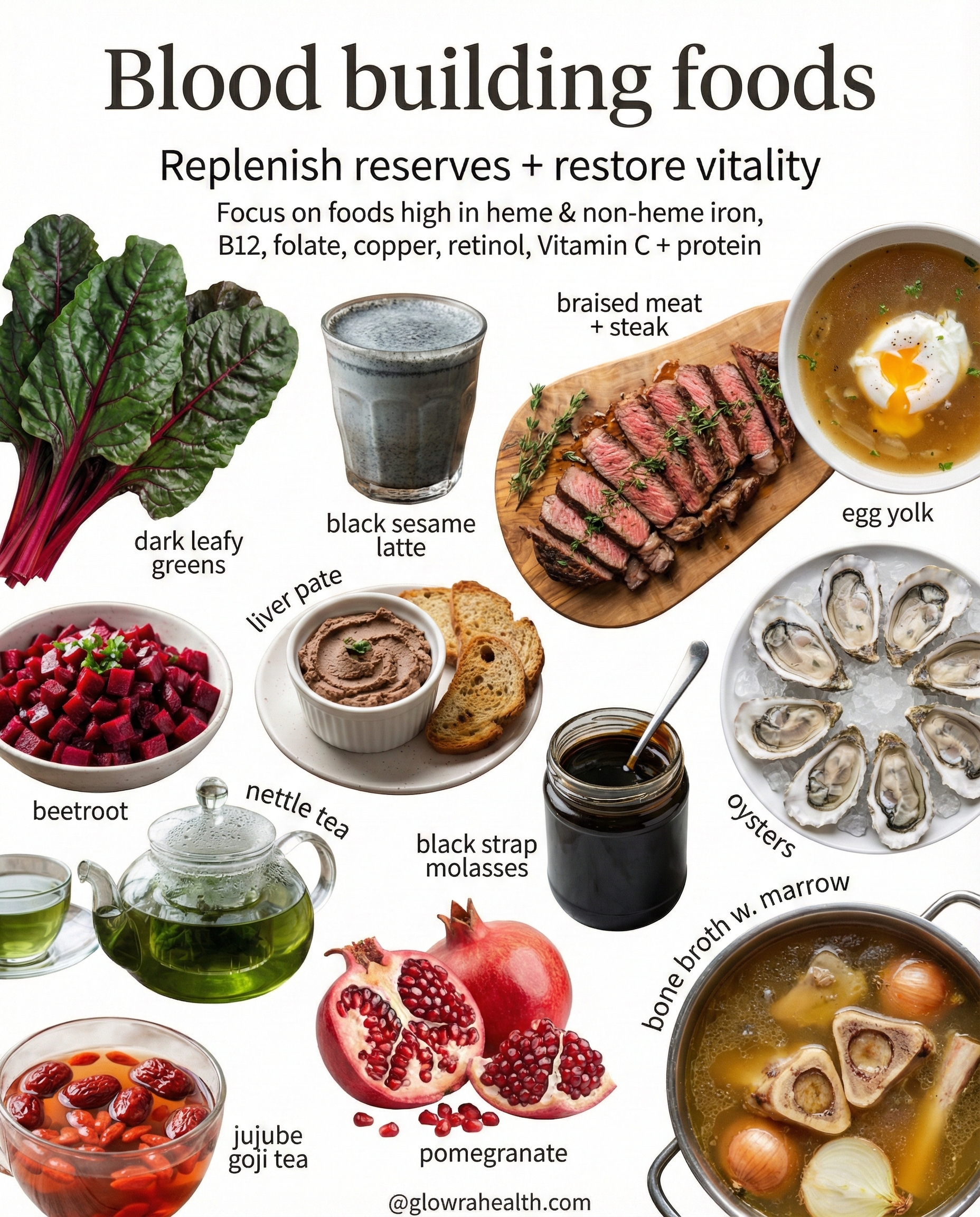
Blood Building Foods: The Nutrients That Matter Most
When people say “build blood,” they usually mean supporting nutrients involved in oxygen delivery and red blood cell formation.
Here’s what to prioritize:
-
Heme iron (from animal foods): generally easier to absorb
-
Non-heme iron (from plants): absorption improves with vitamin C
-
Vitamin B12: found mostly in animal foods
-
Folate: abundant in leafy greens and legumes
-
Copper: helps with iron metabolism
-
Vitamin A (retinol): supports iron mobilization
-
Vitamin C: boosts non-heme iron absorption
-
Protein: foundational for overall repair and recovery
The Best Blood Building Foods to Add This Week
Below are standout options (including the ones you’ve likely seen shared in “blood-building” food lists), plus the easiest ways to actually use them.
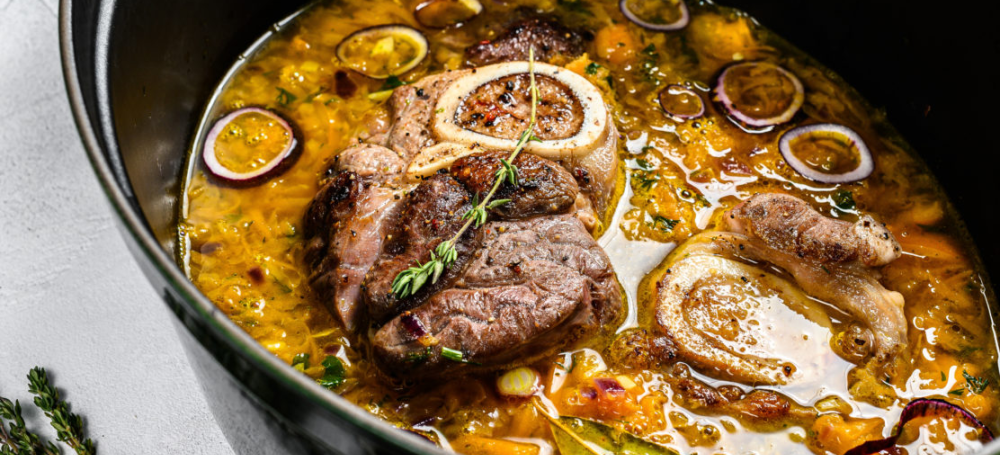
1) Braised meat or steak (heme iron + protein + B vitamins)
If you eat meat, this is one of the most efficient ways to increase iron intake.
Easy ways to use it:
-
Add sliced steak to a salad with citrus or bell peppers (vitamin C)
-
Make a simple braised beef with onions and broth for leftovers
What to look for when buying:
-
Choose a cut you’ll actually cook (chuck for braising, sirloin for quick sear)
-
If you’re comparing options, consider grass-fed vs. grain-fed, but prioritize freshness and affordability
2) Liver pâté (iron + B12 + retinol)
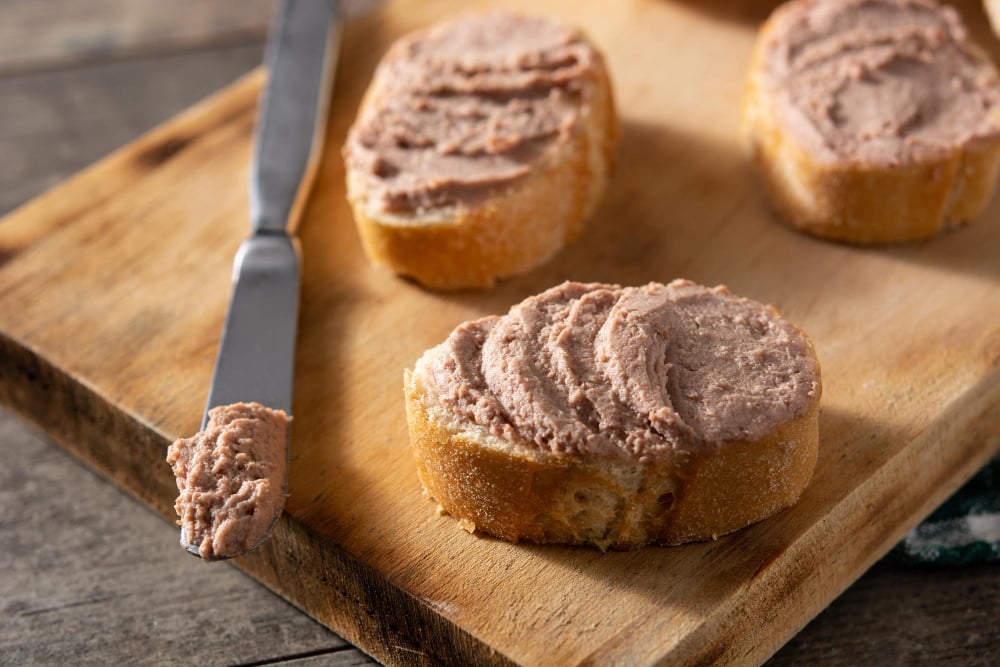
Liver is nutrient-dense, and pâté makes it more approachable.
How to use:
-
Spread a thin layer on toast with something bright like tomato slices or a squeeze of lemon
-
Pair with crunchy cucumbers or pickles
Buying tips:
-
Check the ingredient list for added sugars, filler oils, and preservatives
-
If you’re sensitive to strong flavors, look for “chicken liver pâté” or a mousse-style pâté
3) Oysters (iron + B12 + zinc + copper)
Oysters are a powerhouse, especially for B12 and trace minerals.
How to use:
-
Canned oysters on crackers with lemon
-
Toss smoked oysters into pasta or rice for a fast protein boost
Buying tips:
-
Look for wild-caught when possible
-
Canned: check for BPA-free lining and a short ingredient list (oysters, water/oil, salt)
Safety note:
-
Raw shellfish isn’t for everyone. If you’re pregnant, immunocompromised, or unsure, stick to cooked options and follow food-safety guidance.

4) Egg yolks (B12 + choline + fat-soluble nutrients)
Egg yolks add nutrient density to simple meals.
How to use:
-
Soft-boiled egg over rice or sautéed greens
-
Add an extra yolk to ramen or soup for richness
Buying tips:
-
If you’re choosing between cartons, look for pasture-raised if it fits your budget, but standard eggs still contribute valuable nutrients
5) Dark leafy greens (folate + non-heme iron)
Think spinach, Swiss chard, collards, and kale.
How to use (the “absorption-friendly” way):
-
Sauté greens and add lemon juice at the end
-
Pair greens with a vitamin C food: oranges, kiwi, strawberries, bell peppers
Common mistake:
-
Eating iron-rich greens without vitamin C, then wondering why you don’t feel a difference
Fix: -
Add a vitamin C side or dressing (lemon vinaigrette works)
6) Blackstrap molasses (iron + minerals)
Blackstrap molasses is thicker, darker, and more mineral-rich than regular molasses.
How to use:
-
Stir 1 teaspoon into oatmeal
-
Blend into a smoothie with cocoa and banana
-
Mix into warm water with lemon (strong flavor, but simple)
Buying tips:
-
Look for “unsulfured blackstrap molasses”
-
Check sugar per serving and choose the one you’ll actually tolerate
7) Black sesame latte (sesame + minerals)
A “black sesame latte” usually means black sesame powder blended with warm milk (dairy or non-dairy).
Simple at-home method:
-
1–2 teaspoons black sesame powder
-
8–10 oz warm milk of choice
-
Optional: cinnamon, vanilla, or a small drizzle of honey
Buying tips:
-
Choose a black sesame powder with no weird fillers (ideally just sesame, maybe a touch of sugar)
-
If you’re watching sugar, avoid “instant latte” mixes that are mostly sweetener
8) Beetroot (naturally occurring nitrates + antioxidants)
Beets don’t “contain blood,” but many people like them for circulation support and overall nutrient density.
How to use:
-
Roast and add to salads
-
Blend cooked beets into a smoothie with berries
-
Try beet powder if you prefer convenience (check for no added sugar)
9) Pomegranate (antioxidants + vitamin C)
Pomegranate adds vitamin C and polyphenols, which can complement iron-focused meals.
Easy ways:
-
Add arils to yogurt
-
Use 100% pomegranate juice in a small serving with meals
Buying tips:
-
If buying juice, pick 100% juice and check the label for added sweeteners
10) Nettle tea (herbal add-on)
Nettle tea is popular in traditional food-as-support routines.
How to use:
-
1–2 cups per day if you tolerate it well
-
Brew stronger by steeping 10–15 minutes
Buying tips:
-
Look for reputable brands and a clean ingredient list (just nettle leaf)
11) Jujube goji tea (traditional add-on)
Often used as a cozy daily tea ritual.
How to use:
-
Simmer dried jujube + goji berries 10–15 minutes, strain, sip warm
-
Or use quality tea bags if you prefer convenience
Buying tips:
-
Choose dried fruit that looks clean, not overly glossy (which can signal heavy processing)
-
Store in an airtight container to keep flavor fresh
12) Bone broth with marrow (protein + collagen)
Bone broth can be a comforting way to add protein, especially if appetite is low.
How to use:
-
Sip as a warm drink
-
Use as the base for soup with greens and egg
Buying tips:
-
Check for protein per serving (some broths are basically flavored water)
-
Look for lower sodium if you’re drinking it regularly
-
Refrigerated or shelf-stable both work; choose what you’ll use consistently
The “Absorption” Rule: Pair Iron With Vitamin C
A simple routine that helps many people:
-
Iron-focused food (greens, meat, molasses)
-
Plus vitamin C (citrus, berries, bell pepper, tomato)
Examples:
-
Steak + bell pepper salad
-
Sautéed spinach + lemon
-
Oatmeal + blackstrap molasses + strawberries
Common Mistakes (and Easy Fixes)
Mistake: Relying only on plant iron without vitamin C
Fix: Add a vitamin C food at the same meal.
Mistake: Skipping protein while trying to “eat cleaner”
Fix: Add eggs, meat, oysters, or a protein-rich broth base.
Mistake: Expecting one “superfood” to do everything
Fix: Rotate 3–5 options across the week for coverage (iron + B12 + folate).
Mistake: Drinking tea or coffee right next to iron-heavy meals
Fix: If you’re optimizing iron absorption, have tea/coffee between meals instead.
Simple “Blood Building Foods” Day Plan (No Fuss)
Breakfast
-
Oatmeal with 1 tsp blackstrap molasses + strawberries
-
Optional: nettle tea
Lunch
-
Big leafy green salad with steak strips, tomatoes, and lemon dressing
Snack
-
Pomegranate arils in yogurt (or a small glass of 100% pomegranate juice)
Dinner
-
Bone broth-based soup with greens + soft-boiled egg
-
Optional side: beets
Buying Guide: What to Look For (and What to Avoid)
If you’re shopping specifically for these foods, here’s the quick filter that saves money and disappointment.
Blackstrap molasses
-
Look for: “unsulfured,” blackstrap, simple ingredients
-
Avoid: surprise additives, very high sugar per serving if you’re using it daily
Canned oysters
-
Look for: wild-caught, BPA-free can lining, minimal ingredients
-
Avoid: long ingredient lists, heavy sauces if you want cleaner macros
Bone broth
-
Look for: higher protein per serving, reasonable sodium, clear labeling
-
Avoid: “bone broth” with 0–1g protein (often just broth)
Black sesame powder
-
Look for: mostly sesame, minimal sweeteners, fresh smell
-
Avoid: “latte blends” where sugar is the first ingredient
Herbal teas (nettle, jujube/goji blends)
-
Look for: reputable brands, clean sourcing, good packaging
-
Avoid: dusty, stale products or blends loaded with “natural flavors” if you’re sensitive
Safety Notes (Important)
-
If you suspect low iron or nutrient deficiencies, consider checking in with a clinician for labs before taking high-dose supplements.
-
Too much iron can be harmful for some people, and iron needs vary by age, sex, and health history.
-
Shellfish allergies are common; choose alternatives if needed.
-
If you’re pregnant, immunocompromised, or have dietary restrictions, use extra caution with raw or undercooked foods and follow food-safety guidelines.
FAQ
What are blood building foods, exactly?
“Blood building foods” usually refers to foods that provide iron, B12, folate, copper, vitamin A, vitamin C, and protein—nutrients involved in red blood cell support.
Which foods are highest in heme iron?
Meat (like steak or braised beef) provides heme iron, which many people absorb more efficiently than plant-based iron.
Are leafy greens enough for iron?
Leafy greens can help, but they contain non-heme iron. Pair them with vitamin C (like lemon or bell peppers) to support absorption.
Is blackstrap molasses a good iron source?
It can contribute iron and minerals, but it’s not a stand-alone solution. It works best as a small add-on in a balanced routine.
Are oysters worth buying for B12?
Oysters are rich in B12 and trace minerals. If you don’t eat shellfish, eggs and meat are more common B12 sources.
How often should I eat blood building foods?
A realistic goal is to include 1–2 supportive choices daily (like eggs + greens, or meat + vitamin C) and rotate options across the week.
What should I look for when buying bone broth?
Check the nutrition label for protein per serving and sodium level. If you want it for protein, pick one that delivers more than a gram or two.
Can I do this without supplements?
Many people can improve nutrient intake with food choices alone, but needs vary. If fatigue is persistent or severe, testing can help guide the right plan.