High cholesterol can feel confusing because it rarely causes symptoms. You can “feel fine” and still have elevated LDL (often called bad cholesterol). The good news is that food choices truly matter, especially when you focus on soluble fiber, healthy fats, and antioxidant-rich plants.
Most people think they need a strict diet to see changes. But often, the biggest difference comes from adding a few consistent foods that help your body bind, use, and clear cholesterol more efficiently.
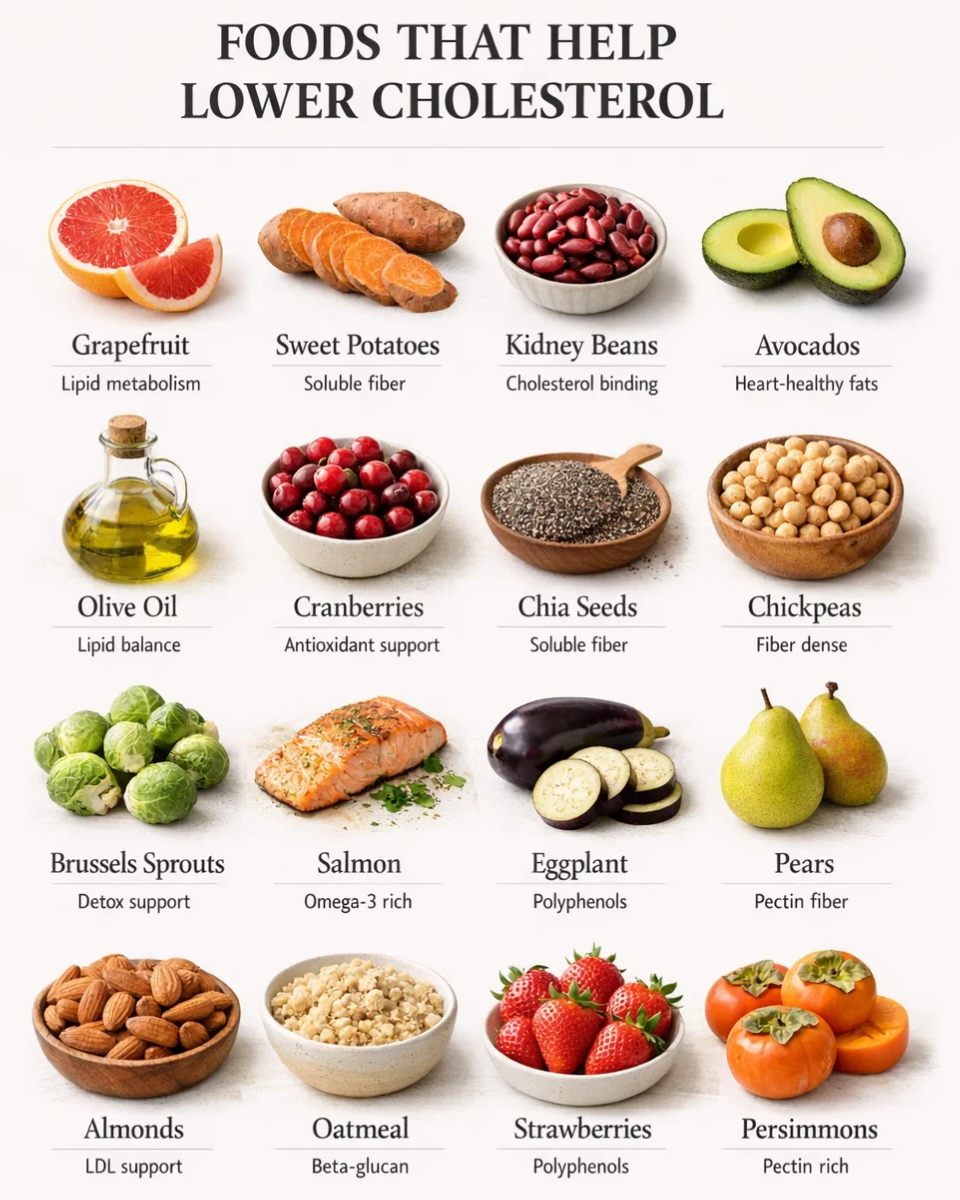
1. Grapefruit
Grapefruit is often linked with lipid metabolism support.
Important: grapefruit can interact with many medications (including some statins) by affecting how drugs are broken down in the body.
How to eat it: ½ grapefruit at breakfast, or add segments to a salad.
Safety note: If you take prescription meds, check with your clinician/pharmacist before making grapefruit a daily habit.
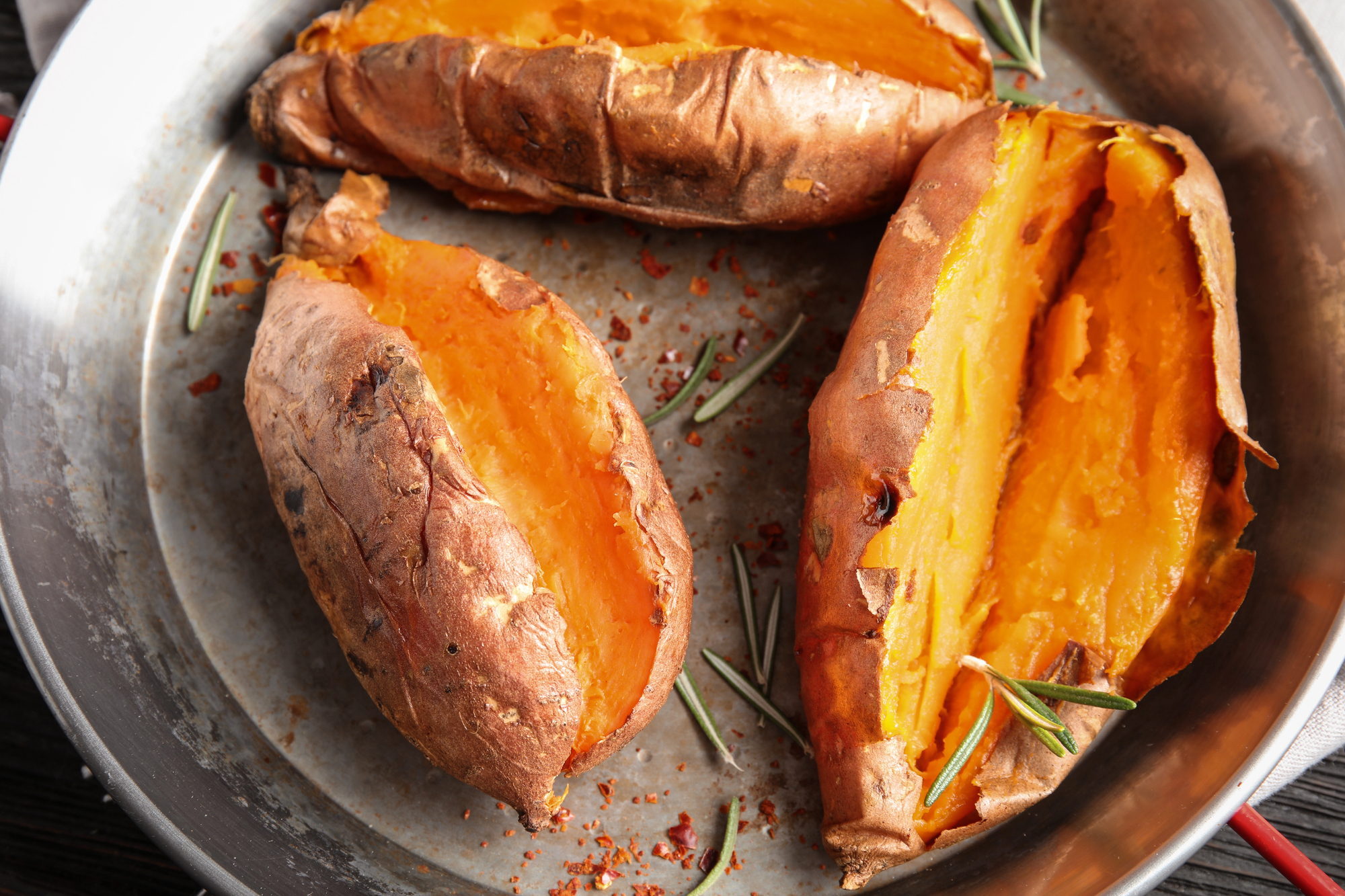
2. Sweet Potatoes
Sweet potatoes provide fiber (including some soluble fiber) and help replace refined carbs with a more filling option.
How to use: roast wedges, mash with olive oil, or cube into grain bowls.
3. Kidney Beans
Beans are rich in soluble fiber, which can help reduce LDL by binding bile acids in the gut.
How to use: add to soups, chili, or salads (aim for ½–1 cup).
4. Avocados
Avocados provide heart-healthy monounsaturated fats and fiber, which can support healthier lipid patterns.
How to use: mash on toast, add to bowls, or blend into a creamy dressing.
5. Olive Oil
Extra-virgin olive oil is a classic “swap” food: replacing saturated fats with unsaturated fats supports lipid balance.
How to use: salad dressing, drizzle on veggies, or sauté lightly.
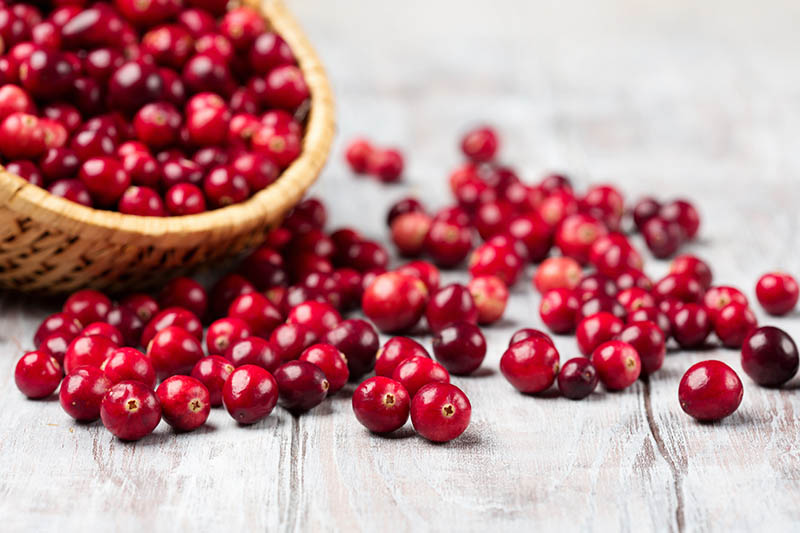
6. Cranberries
Cranberries offer antioxidant support and polyphenols that may help overall cardiovascular health patterns.
How to use: choose unsweetened or low-sugar versions; add to oatmeal or yogurt.
7. Chia Seeds
Chia seeds are rich in soluble fiber and form a gel that can support cholesterol-binding and fullness.
How to use: 1–2 tablespoons in oatmeal, yogurt, or overnight chia pudding.
8. Chickpeas
Chickpeas are fiber-dense and a great plant protein, helpful for replacing more processed snacks or fatty meats.
How to use: hummus, roasted chickpeas, or toss into salads.
9. Brussels Sprouts
Brussels sprouts provide fiber and compounds that support digestion and gut health—useful because cholesterol clearance partly happens through the gut.
How to use: roast until caramelized, or shred into a warm sauté.
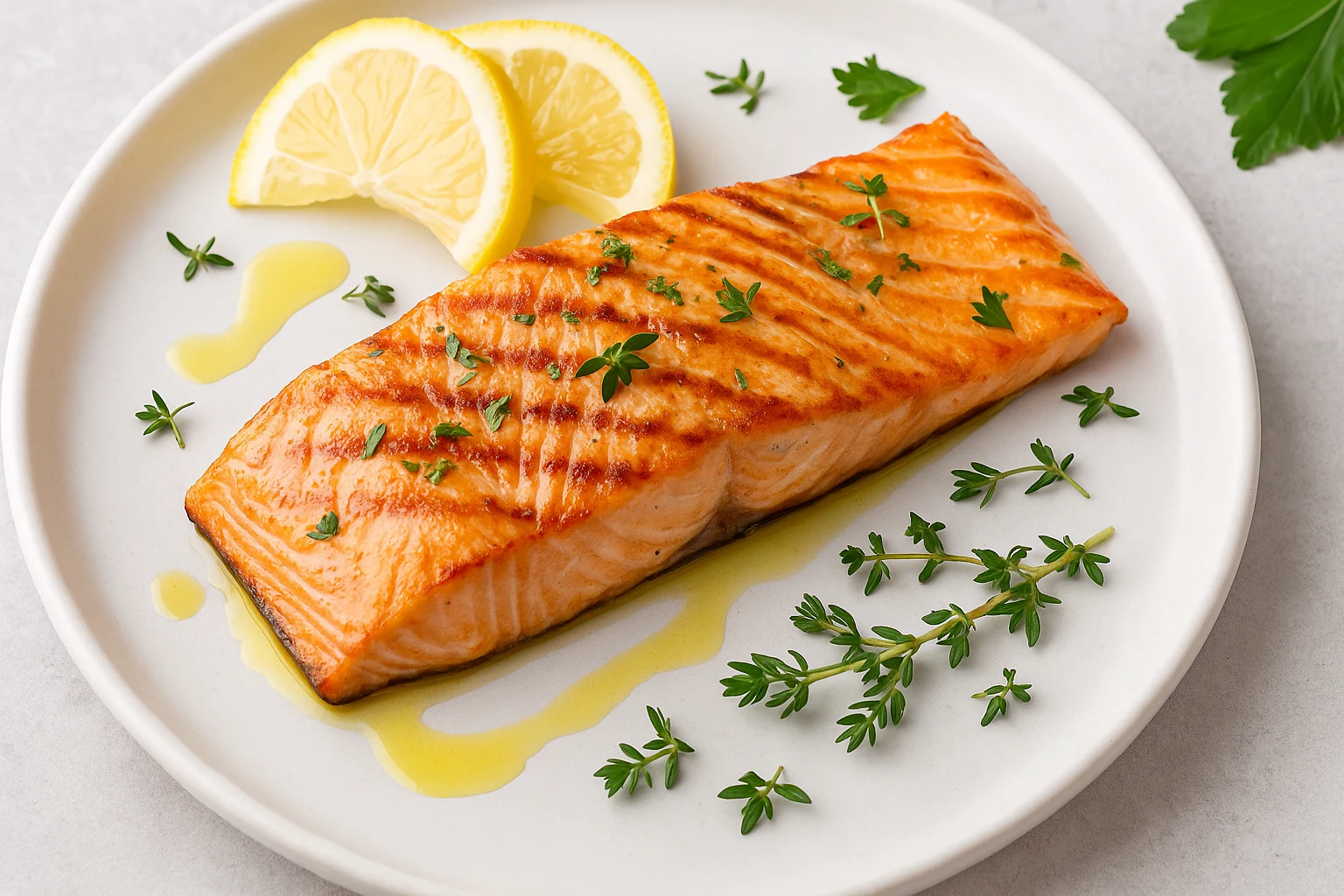
10. Salmon
Salmon is omega-3 rich and supports heart health, especially when it replaces fried or highly processed proteins.
How to use: bake, air-fry, or add to salads and grain bowls.
11. Eggplant
Eggplant contains polyphenols and fiber. It is a great “volume” vegetable that makes meals feel bigger without relying on refined carbs.
How to use: roast slices, add to stews, or make a simple eggplant dip.
12. Pears
Pears contain pectin fiber, a type of soluble fiber linked with cholesterol support.
How to use: snack with almonds or slice into oatmeal.
13. Almonds
Almonds are well-studied for improving lipid markers when eaten consistently as part of a balanced diet.
How to use: 1 small handful daily, or add almond butter to toast.
14. Oatmeal
Oats contain beta-glucan, a soluble fiber with an approved cholesterol-lowering health claim in many regions. Research commonly references ~3 g/day of oat beta-glucan as a meaningful target.
How to use: oatmeal, overnight oats, or blend oats into smoothies.
15. Strawberries
Strawberries provide polyphenols and vitamin C, supporting overall cardiovascular nutrition patterns.
How to use: fresh, frozen, or stirred into yogurt/oats.

16. Persimmons
Persimmons are pectin-rich, meaning they may support cholesterol management through soluble fiber effects.
How to use: eat ripe persimmon as a snack, or slice into salads.
How to Build a Daily Plate Using These Foods
Use this easy structure:
- Breakfast: Oatmeal + chia seeds + strawberries (or cranberries)
- Lunch: Big salad with chickpeas or kidney beans + olive oil dressing + sliced avocado
- Dinner: Salmon + roasted Brussels sprouts + sweet potatoes
- Snack: Pears + almonds
This pattern naturally increases soluble fiber + unsaturated fats, which is the combo most people are missing.
When You’ll Notice Changes
Cholesterol changes are not instant, but they are very responsive to consistency.
- 1–2 weeks: digestion improves, cravings drop (higher fiber + fats = better satiety).
- 3–6 weeks: LDL may begin shifting if soluble fiber is consistent (especially oats/beans).
- 8–12+ weeks: clearer trends show up on lab work, especially when swaps replace saturated fats and ultra-processed foods.
Tips to Combine Them Effectively
- Pair fruit + nuts: pears + almonds = steadier blood sugar than fruit alone.
- Add soluble fiber daily: oats + beans + chia is a strong trio.
- Use olive oil as a “replacement fat,” not an extra. Drizzle, don’t drown.
- Eat fish regularly if you like it, but don’t rely on supplements unless your clinician recommends them for triglycerides or specific reasons.
Quick Safety Notes
- Grapefruit + medications: Grapefruit can raise blood levels of certain drugs (including some statins).
- Increase fiber slowly: Jumping too fast can cause gas or bloating; drink more water.
- If you have kidney disease: discuss potassium-rich foods (like sweet potatoes) with your clinician.
Final takeaway
If you want a simple “cholesterol plate,” focus on this daily: oatmeal + beans + chia + olive oil + avocado, then rotate fruits and vegetables for variety.
Related source science
- FDA — Grapefruit juice interactions with medications (U.S. Food and Drug Administration)
- American Journal of Medicine — Grapefruit juice and statin blood levels (Amjmed)
- AJCN — Meta-analysis on fiber and cholesterol-lowering effects (ajcn.nutrition.org)
- Meta-analysis — Oat beta-glucan and cholesterol health claim (~3 g/day) (ScienceDirect)
- National Lipid Association — Adding soluble fiber for cholesterol support (National Lipid Association)
- NIH ODS — Omega-3 fatty acids (sources, effects, safety) (ods.od.nih.gov)
- NCCIH — Omega-3 supplements evidence summary (NCCIH)
- Systematic review/meta-analysis — Almond intake and lipid profile (ScienceDirect)