Discover foods that support your health organs, why they work, and how to eat them daily – science-based, practical, and easy to follow. You’ve probably seen the “food looks like an organ, so it supports that organ” idea online. It’s a fun visual cue, and it can be a surprisingly good memory trick for choosing more nutrient-dense foods. What is real is that these foods contain compounds that support whole-body health, including the organs we rely on every day.
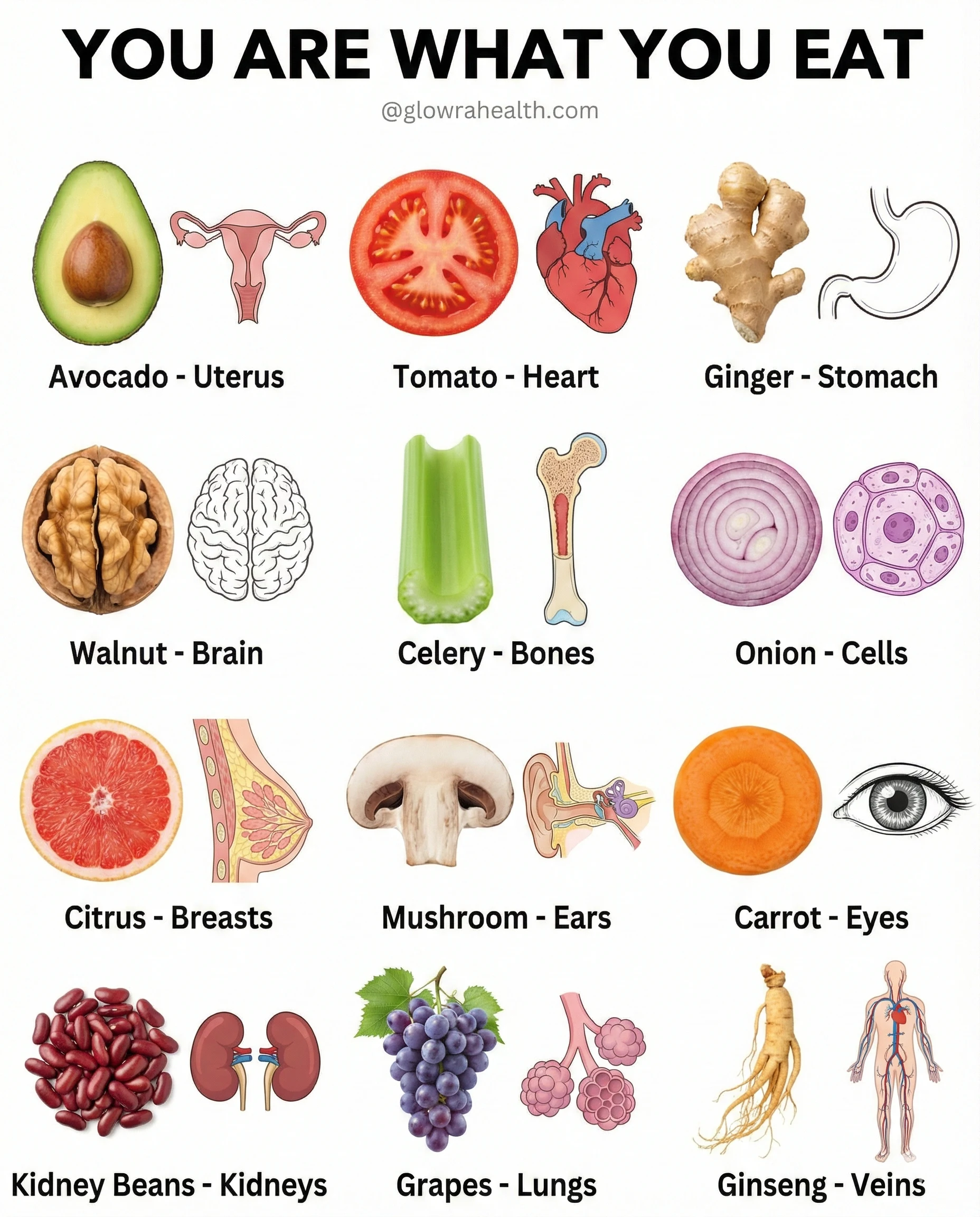
1. Avocado – Uterus
Avocado is rich in monounsaturated fats, fiber, and micronutrients like folate and potassium. These nutrients support steady energy, healthy blood flow, and overall reproductive wellness through foundational nutrition (not magic shape-matching).
Easy ways to eat it: mash on toast, slice into rice bowls, or blend into smoothies for creaminess.
2. Tomato – Heart
Tomatoes are one of the best sources of lycopene, an antioxidant studied for heart-health support and oxidative stress protection.
Easy ways to eat it: cook into sauces, roast cherry tomatoes, or add tomato paste to soups (cooking can increase lycopene availability).
3. Ginger – Stomach
Ginger is well-known for digestive comfort, especially nausea and upset-stomach feelings. It has bioactive compounds (like gingerols) that may help calm the gut.
Easy ways to eat it: ginger tea, grated ginger in stir-fries, or a small ginger shot with food if your stomach is sensitive.
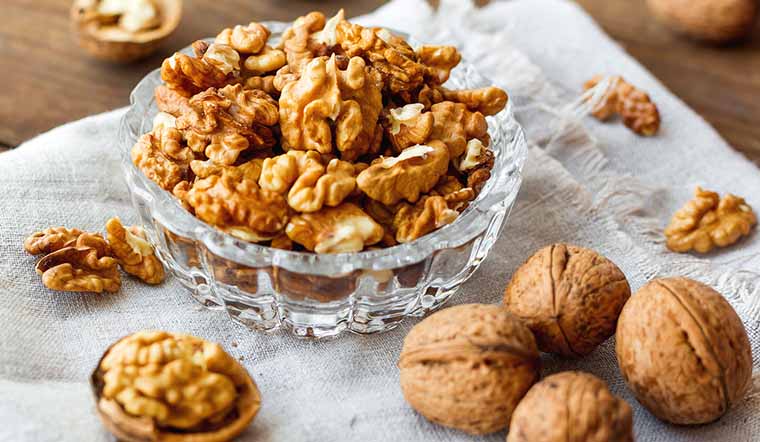
4. Walnut – Brain
Walnuts provide healthy fats and polyphenols that are often discussed in brain-healthy eating patterns. Even better, they can support heart health too, which indirectly supports brain circulation.
Easy ways to eat it: add to oatmeal, yogurt, salads, or blend into pesto.
 5. Celery – Bones
Celery is hydrating and provides plant compounds, but for bone strength you still want the big players: calcium, vitamin D, protein, and resistance training. Think of celery as a “supporting ingredient,” not a bone cure.
Easy ways to eat it: snack with hummus, chop into soups, or add to tuna salad.
6. Onion – Cells
Onions contain flavonoids like quercetin, which are studied for antioxidant and anti-inflammatory effects that help protect cells from oxidative stress.
Easy ways to eat it: sauté as a base for almost anything, roast wedges, or add thin slices to bowls and salads.
7. Citrus – Breasts
Citrus fruits (orange, grapefruit, lemon) provide vitamin C and other antioxidants that support immune function and tissue repair. They’re not “breast-specific,” but they’re a smart staple for overall wellness.
Easy ways to eat it: add lemon to water, eat oranges as snacks, or use zest to brighten meals.
8. Mushroom – Ears
Mushrooms don’t “target ears,” but they do offer useful nutrients. Some mushrooms provide vitamin D2 when exposed to UV light, which supports immune and bone health.
Easy ways to eat it: sauté with garlic, add to omelets, or roast with olive oil.

9. Carrot – Eyes
Carrots are famous for beta-carotene (a precursor to vitamin A), which is essential for vision, especially night vision and eye-surface health.
Easy ways to eat it: roast with spices, shred into salads, or blend into soups.
10. Kidney Beans – Kidneys
Kidney beans don’t “cleanse kidneys,” but legumes are associated with better metabolic and heart markers thanks to fiber and plant protein. Supporting blood pressure and blood sugar is kidney-friendly for many people.
Easy ways to eat it: chili, tacos, bean salads, or mixed into rice bowls.
11. Grapes – Lungs
Grapes contain polyphenols (including resveratrol in grape products), studied for antioxidant effects. That can support overall inflammation balance, which matters for respiratory comfort too.
Easy ways to eat it: snack, freeze as “grape pops,” or add to yogurt bowls.
12. Ginseng – Veins
Panax ginseng is often studied for circulation-related endpoints and fatigue support, but it can interact with medications and isn’t for everyone. Treat it like a supplement-grade herb, not a casual tea add-in.
Easy ways to use it: only if appropriate for you choose standardized products and check with a clinician if you take meds.

How to Build a Simple “Organ-Support” Plate Daily
Use this formula 1–2 times a day:
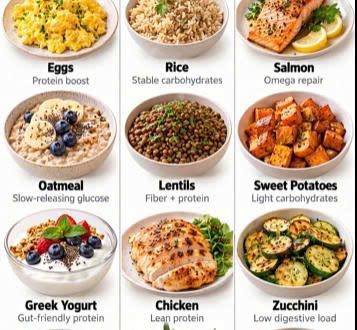
- Protein: beans (kidney beans), eggs, fish, or yogurt
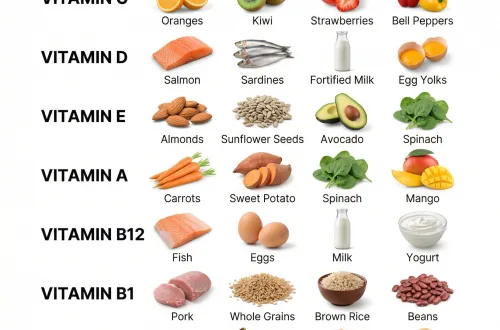
- Color: tomatoes + carrots + citrus or grapes
- Healthy fat: avocado + walnuts + olive oil
- Flavor base: onion + garlic + mushrooms + ginger
This keeps the “fun organ visual” but grounds it in real nutrition.
When You’ll Notice Changes (Realistic Timeline)
- Same day to 3 days: digestion comfort (ginger), more steady energy with better meals
- 2–4 weeks: improved regularity and less snack-craving if fiber intake rises (beans, walnuts, avocado)
- 6–12 weeks: cholesterol, inflammation markers, and cardiometabolic changes are more measurable with consistent habits
Quick Safety Notes
- Grapefruit can interact with many medications.
- Ginseng may affect blood pressure, blood sugar, or interact with blood thinners and other meds.
- If you have kidney disease, ask your clinician about potassium-rich foods (like avocado) and legumes.
- “Food resemblance” is a mnemonic, not a medical diagnosis tool.
Final Takeaway
The “you are what you eat” image is helpful if you use it as a shopping shortcut: choose colorful produce, fiber-rich legumes, and healthy fats more often. Your body benefits because of the nutrients inside, not because the food looks like an organ.
Related science sources
- Harvard Health – Avocado nutrition & benefits:
https://www.health.harvard.edu/nutrition/avocado-nutrition-health-benefits-and-easy-recipes
- Cleveland Clinic – Why avocados are a healthy addition:
https://health.clevelandclinic.org/why-avocados-are-a-healthy-addition-to-your-diet
- Evidence on ginger (digestive + menstrual pain research hub):
https://onlinelibrary.wiley.com/doi/epdf/10.1155/2016/6295737
- Legumes and cholesterol-lowering evidence overview (systematic evidence):
https://pubmed.ncbi.nlm.nih.gov/
- Lycopene/tomato and cardiovascular health research hub:
https://pubmed.ncbi.nlm.nih.gov/
- Doctrine of Signatures background (why “looks like” isn’t evidence):
https://www.jstor.org/stable/4257221