Cheese gets a bad reputation because it can be salty, calorie-dense, and sometimes heavy on saturated fat. But here’s the twist: some cheeses are genuinely “better choices” when you want more protein, easier digestion, and a convenient way to add calcium and other nutrients.
Most people never realize this works because the “healthiest cheese” is not one perfect type. It is the one that matches your goal (protein, digestion, lower lactose, or bone support) and your portion.
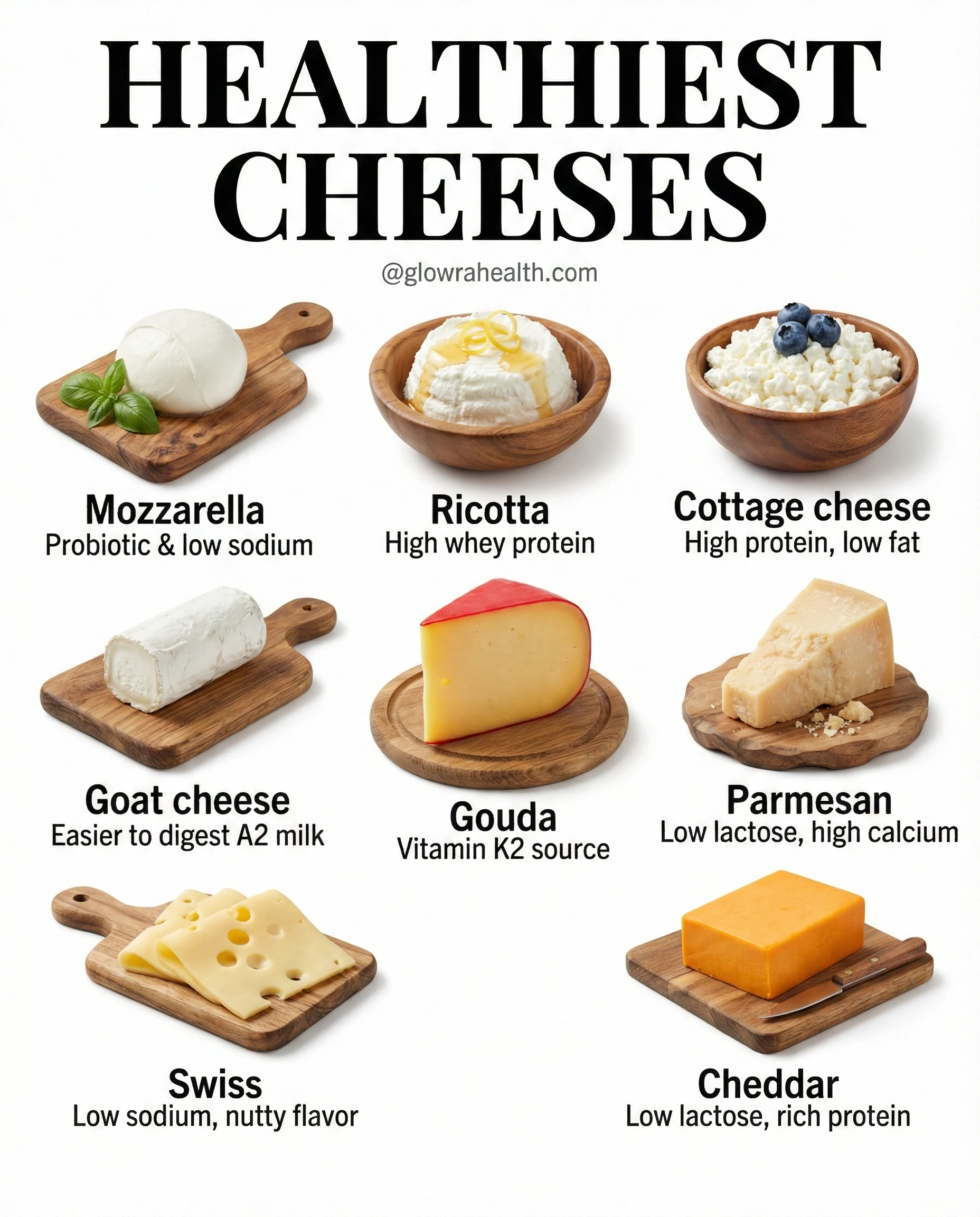
The Healthiest Cheeses List
1. Mozzarella (probiotic + lower sodium)
Mozzarella is often a gentler choice if you are watching salt. It also gives you protein and calcium without feeling too heavy.
How to use it
- Add slices to tomatoes, basil, and olive oil.
- Melt a small amount on eggs or roasted veggies.
- Try part-skim for a lighter option.
2. Ricotta (high whey protein)
Ricotta is soft, mild, and higher in whey proteins, which many people find satisfying for breakfast or snacks.
How to use it
- Spread on whole-grain toast with berries or honey.
- Stir into oatmeal for creamy protein.
- Use in pasta with spinach and lemon.
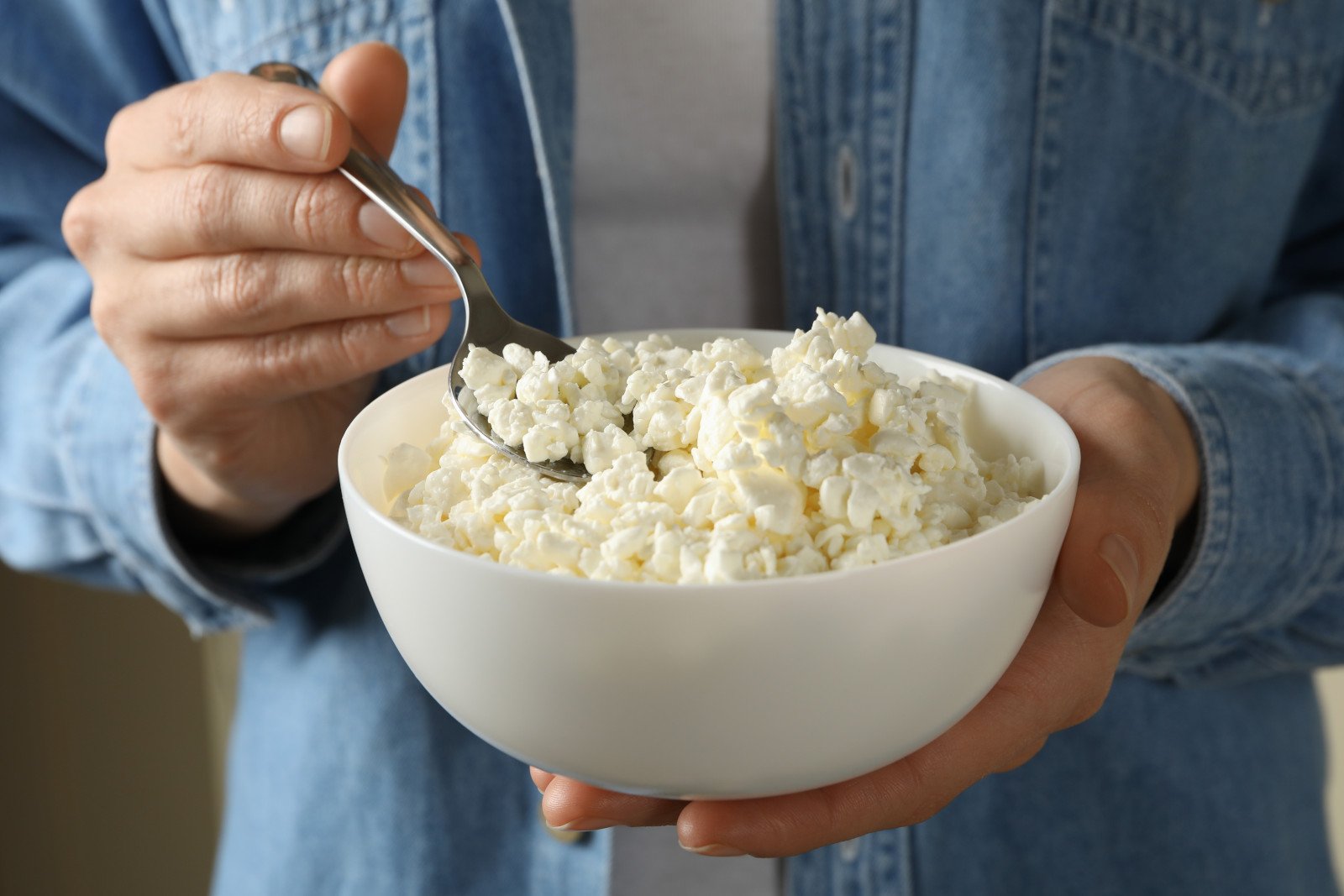
3. Cottage cheese (high protein, low fat)
Cottage cheese is one of the easiest ways to boost protein fast. It works well for busy mornings and post-workout snacks.
How to use it
- Top with fruit and chia seeds.
- Mix into scrambled eggs for extra protein.
- Blend into a dip with herbs and garlic.
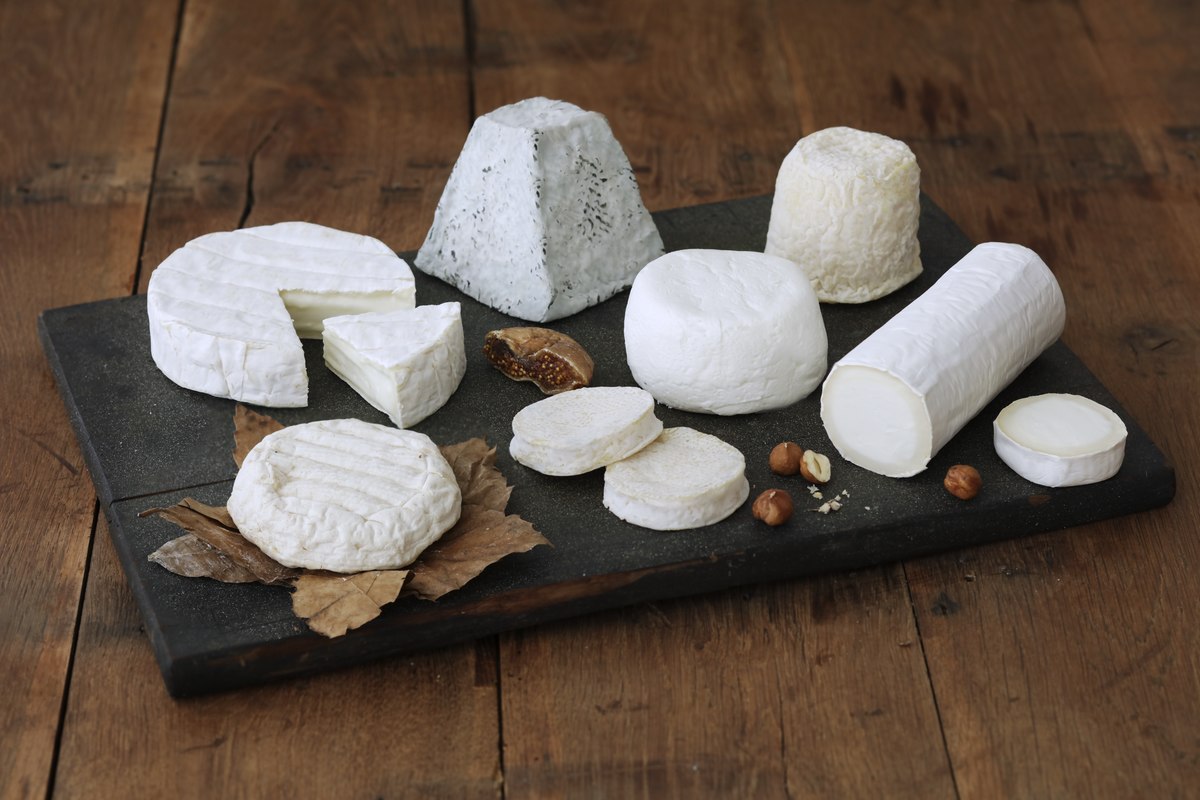
4. Goat cheese (often easier to digest)
Many people tolerate goat cheese better than cow’s milk cheese. It has a tangy flavor, so a little goes a long way.
How to use it
- Crumble onto salads or roasted beets.
- Add to omelets with spinach.
- Pair with apples or pears for a quick snack plate.
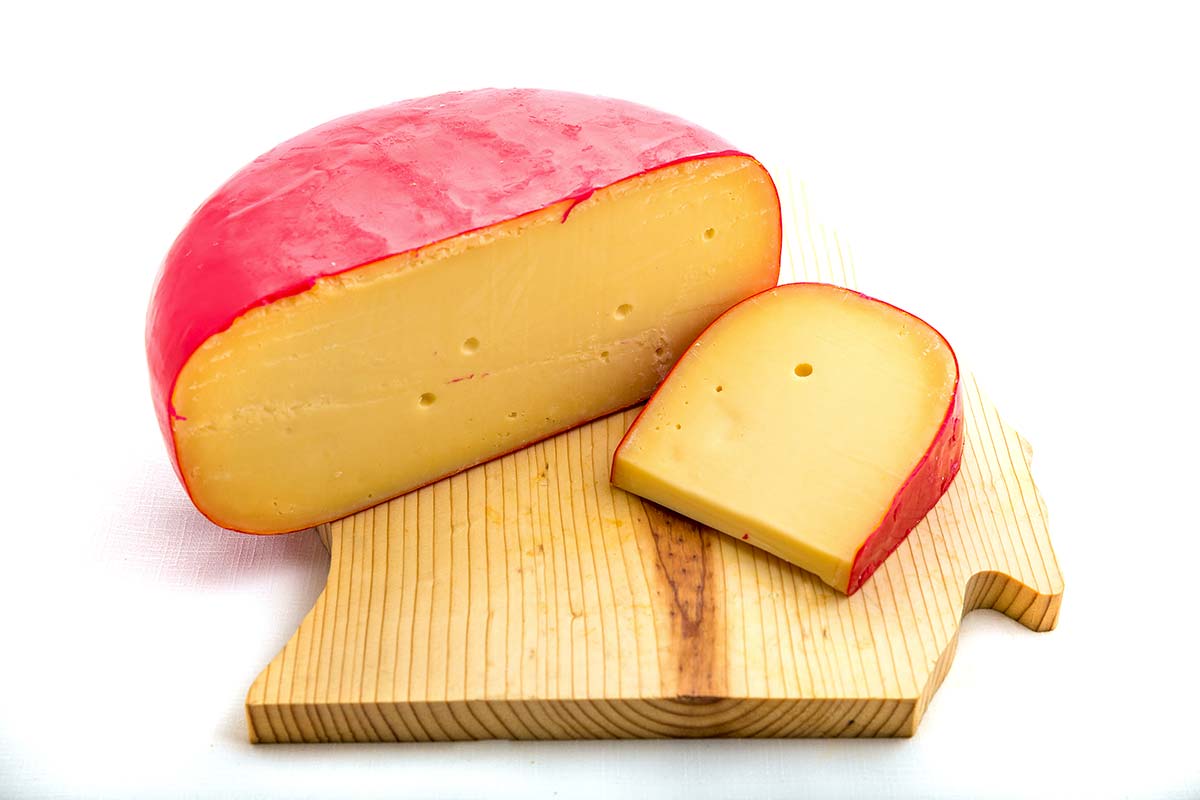
5. Gouda (Vitamin K2 source)
Some aged cheeses contain menaquinones (a form of vitamin K). Fermented foods like cheese can contribute menaquinones in the diet.
How to use it
- Slice with whole-grain crackers and cucumbers.
- Melt onto a veggie bowl or lentils.
- Keep portions small since it is rich.
6. Parmesan (low lactose, high calcium)
Aged cheeses like Parmesan are naturally lower in lactose and very concentrated, so you can get big flavor from a small sprinkle.
How to use it
- Grate over soups, salads, or roasted vegetables.
- Mix into ground turkey or bean patties.
- Add to pasta with olive oil and garlic.
:quality(75)/2024_5_16_638514684517360045_avatr.png)
7. Swiss (lower sodium, nutty flavor)
Swiss is often lower in sodium than many other cheeses, and its flavor is mild but satisfying.
How to use it
- Build a balanced sandwich with turkey, greens, and mustard.
- Pair with grapes and nuts.
- Melt into an egg scramble with mushrooms.
8. Cheddar (low lactose, rich protein)
Cheddar is widely available and convenient. Aged cheddar is typically easier for people who are sensitive to lactose.
How to use it
- Shred onto chili or baked sweet potatoes.
- Add to veggie omelets.
- Pair with whole-grain toast and avocado.

How to Build a “Healthy Cheese Plate” (So It Doesn’t Backfire)
A simple rule: pair cheese with fiber + color. Cheese is the “protein/fat anchor,” and fiber helps you feel full and supports better blood sugar balance.
Try this formula:
- Protein: cottage cheese or mozzarella
- Fiber: fruit, beans, oats, or whole grains
- Color: leafy greens, tomatoes, peppers, berries
- Healthy fat (optional): olive oil, nuts, seeds
When You’ll Notice Changes (Realistic Timeline)
Cheese won’t “fix everything” overnight, but smart swaps can help quickly.
- Same day to 3 days: better satiety and fewer snack cravings if you switch to higher-protein options like cottage cheese or ricotta.
- 2 to 4 weeks: more consistent energy when cheese is paired with fiber-rich foods.
- 6 to 12 weeks: stronger nutrition patterns for bone support when overall calcium/protein intake is consistent (not just occasional).
Quick Notes and Safety (Especially Important)
- Portion matters. Even healthier cheeses can become unhelpful if portions creep up daily.
- Watch sodium and saturated fat. If you have high blood pressure or high LDL, choose lower-sodium options more often and keep servings modest. Harvard notes that many experts still recommend limiting saturated fat overall, especially if your diet is already high in it.
- Pregnancy safety: Avoid unpasteurized milk and cheeses during pregnancy because of listeria risk. If you are pregnant, choose pasteurized dairy options.
- Digestive comfort: If lactose bothers you, aged cheeses (like Parmesan and cheddar) are often easier than fresh, high-lactose dairy.
Final Takeaway
The healthiest cheeses are the ones that help you hit your goal with less salt, more protein, easier digestion, and realistic portions. Start with cottage cheese or mozzarella for everyday meals, then use Parmesan, Gouda, Swiss, goat cheese, ricotta, and cheddar as flavorful upgrades that keep your meals satisfying.
Related Source Science
- Food safety for pregnancy and dairy/cheese choices (Listeria guidance) (CDC)
- Vitamin K overview and dietary sources (includes fermented foods like cheese) (ods.od.nih.gov)
- Nutrient reference database (cheese nutrition lookup) (fdc.nal.usda.gov)
- Balanced perspective on dairy, saturated fat, and overall diet quality (Harvard Health)