Cholesterol often gets a bad reputation, but not all cholesterol is harmful.
HDL (high-density lipoprotein) is known as “good cholesterol” because it helps transport excess cholesterol away from the bloodstream and back to the liver, where it can be processed and removed.
Raising HDL is not about one magic food. It comes from consistent eating patterns that combine fiber, healthy fats, quality protein, and antioxidants.
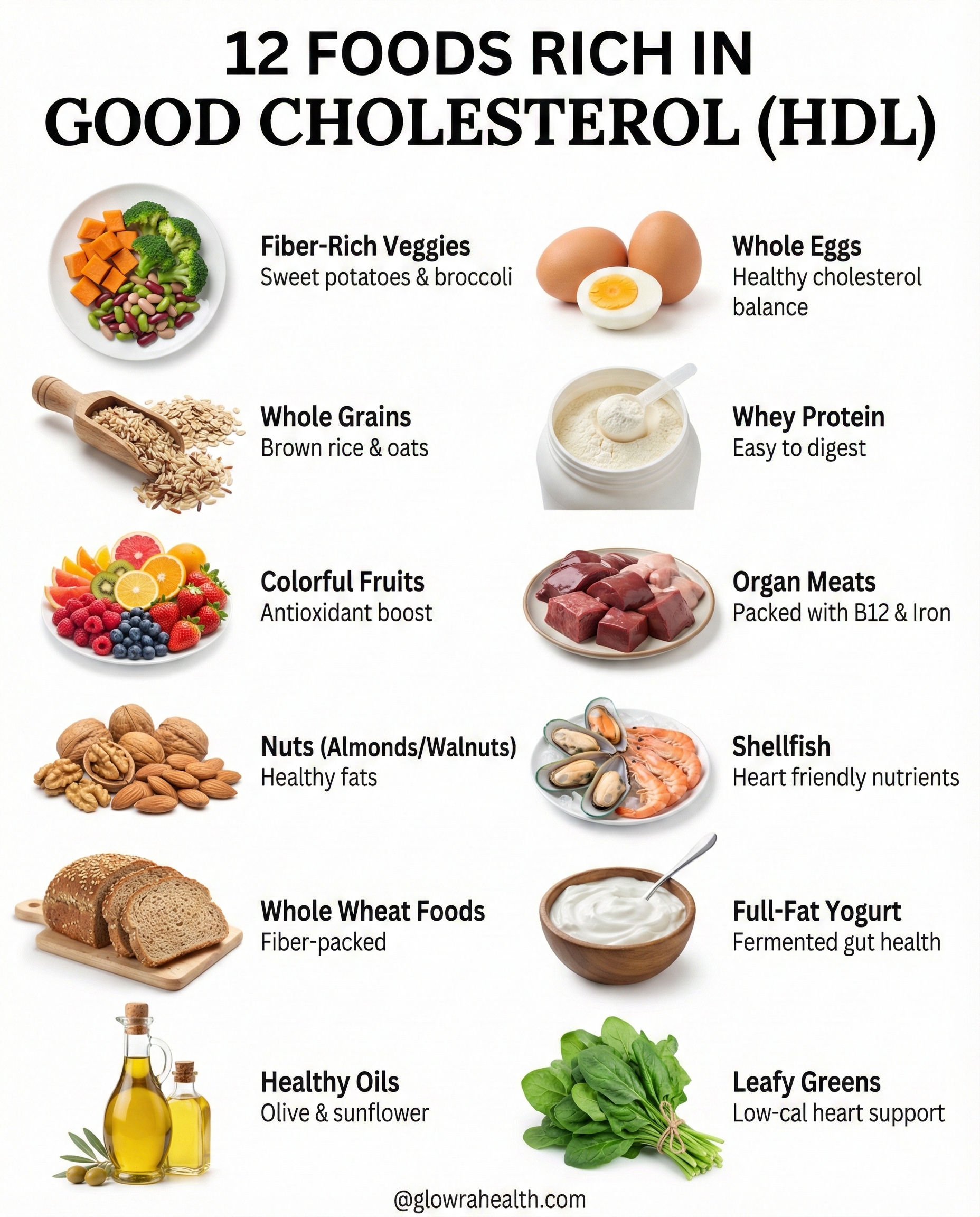
Fiber-Rich Vegetables (Sweet Potatoes & Broccoli)
Fiber-rich vegetables help improve cholesterol balance by reducing LDL absorption in the gut while indirectly supporting HDL levels.
Sweet potatoes provide soluble fiber, potassium, and antioxidants, while broccoli delivers fiber, vitamin C, vitamin K, and plant compounds that support heart health.
Eating fiber-rich vegetables regularly is associated with improved lipid profiles and better overall cardiovascular health.
Whole Eggs
Whole eggs contain dietary cholesterol, but research shows they can improve HDL levels in many people without negatively affecting LDL when eaten in moderation.
Eggs provide high-quality protein, healthy fats, choline, and vitamin D, all of which support metabolism and cardiovascular function.
The yolk is especially important, as it contains nutrients linked to HDL improvement.
Whole Grains (Brown Rice & Oats)
Whole grains are rich in fiber, especially beta-glucan in oats, which helps improve cholesterol balance.
Brown rice and oats provide complex carbohydrates, fiber, magnesium, and B vitamins, supporting steady blood sugar and lipid metabolism.
Regular intake of whole grains is associated with higher HDL levels and lower cardiovascular risk.
Whey Protein
Whey protein is easily digested and provides all essential amino acids.
Studies suggest whey protein may help improve HDL levels and reduce triglycerides, especially when combined with physical activity.
It also supports muscle maintenance and metabolic health, which indirectly benefits cholesterol balance.
Colorful Fruits
Colorful fruits such as berries, citrus, and kiwi are rich in antioxidants.
They provide vitamin C, polyphenols, and fiber, which help reduce oxidative stress and inflammation that negatively affect cholesterol balance.
Regular fruit intake supports healthier HDL function, not just HDL numbers.
Organ Meats
Organ meats are nutrient-dense foods that support metabolic health.
They provide vitamin B12, iron, zinc, and fat-soluble vitamins, all important for red blood cell production and oxygen transport.
While organ meats contain cholesterol, moderate intake does not appear to harm HDL levels and may support overall nutrient status.
Nuts (Almonds & Walnuts)
Nuts are strongly linked to improved HDL levels.
Almonds and walnuts provide monounsaturated fats, polyunsaturated fats, fiber, and vitamin E. These fats help raise HDL while lowering LDL oxidation.
Regular nut consumption is associated with better heart health markers when portions are controlled.
Shellfish
Shellfish such as shrimp and mussels are low in saturated fat but rich in nutrients.
They provide lean protein, omega-3 fatty acids, zinc, iodine, and vitamin B12, all of which support cardiovascular and metabolic health.
Shellfish can improve HDL functionality without significantly raising LDL when prepared simply.
Whole Wheat Foods
Whole wheat products contain fiber and plant compounds that support cholesterol metabolism.
They provide insoluble fiber, B vitamins, magnesium, and selenium, which contribute to heart and metabolic health.
Replacing refined grains with whole wheat foods supports better HDL-to-LDL ratios.
Full-Fat Yogurt
Full-fat yogurt contains natural fats and probiotics that support gut health.
Emerging research suggests fermented dairy may help improve HDL levels and reduce inflammation when eaten in moderation.
Yogurt also provides calcium, protein, and beneficial bacteria that support metabolic balance.
Healthy Oils (Olive & Sunflower Oil)
Healthy oils are among the most important foods for raising HDL.
Olive oil and sunflower oil provide unsaturated fats and antioxidants, which help increase HDL and improve its protective function.
Replacing saturated fats with healthy oils consistently supports cardiovascular health.
Leafy Greens
Leafy greens such as spinach provide heart-supportive nutrients with minimal calories.
They offer fiber, magnesium, potassium, and antioxidants, which help reduce inflammation and support blood vessel health.
While leafy greens do not directly raise HDL, they improve overall cholesterol balance and cardiovascular function.
How to Build a HDL-Friendly Daily Plate
To support good cholesterol naturally:
- Include healthy fats at most meals
- Eat fiber-rich vegetables and whole grains daily
- Choose quality protein from eggs, dairy, fish, and plant sources
- Limit ultra-processed foods and refined carbohydrates
Consistency matters more than perfection.
When You’ll Notice Changes
- 2–4 weeks: blood lipid markers may begin to shift
- 6–12 weeks: HDL improvements are often measurable with consistent habits
- Long-term: improved cardiovascular resilience and metabolic health
Diet works best when paired with regular movement and adequate sleep.
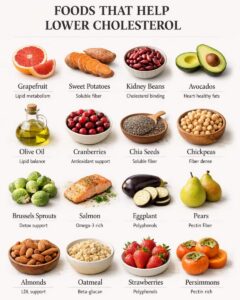
Read more about “16 Cholesterol lowering foods”
Final Takeaway
HDL cholesterol improves when the body is supported, not restricted.
These 12 foods work together by providing fiber, healthy fats, protein, and antioxidants that help HDL do its job more effectively.
Focus on patterns, not single foods, and let consistency drive results.