Modern wellness often gets reduced to powders, pills, and quick fixes.
But your body still works best with something much simpler: real food.
Whole foods do more than deliver a single vitamin or mineral. They bring fiber, protein, healthy fats, water, and plant compounds that help your body absorb and use nutrients more effectively. That is why getting nutrients from food whenever possible is still one of the smartest health habits you can build.
Most people never realize this because they focus on one deficiency at a time. But health usually improves faster when you look at the full picture: eat a wider variety of real foods, more consistently.
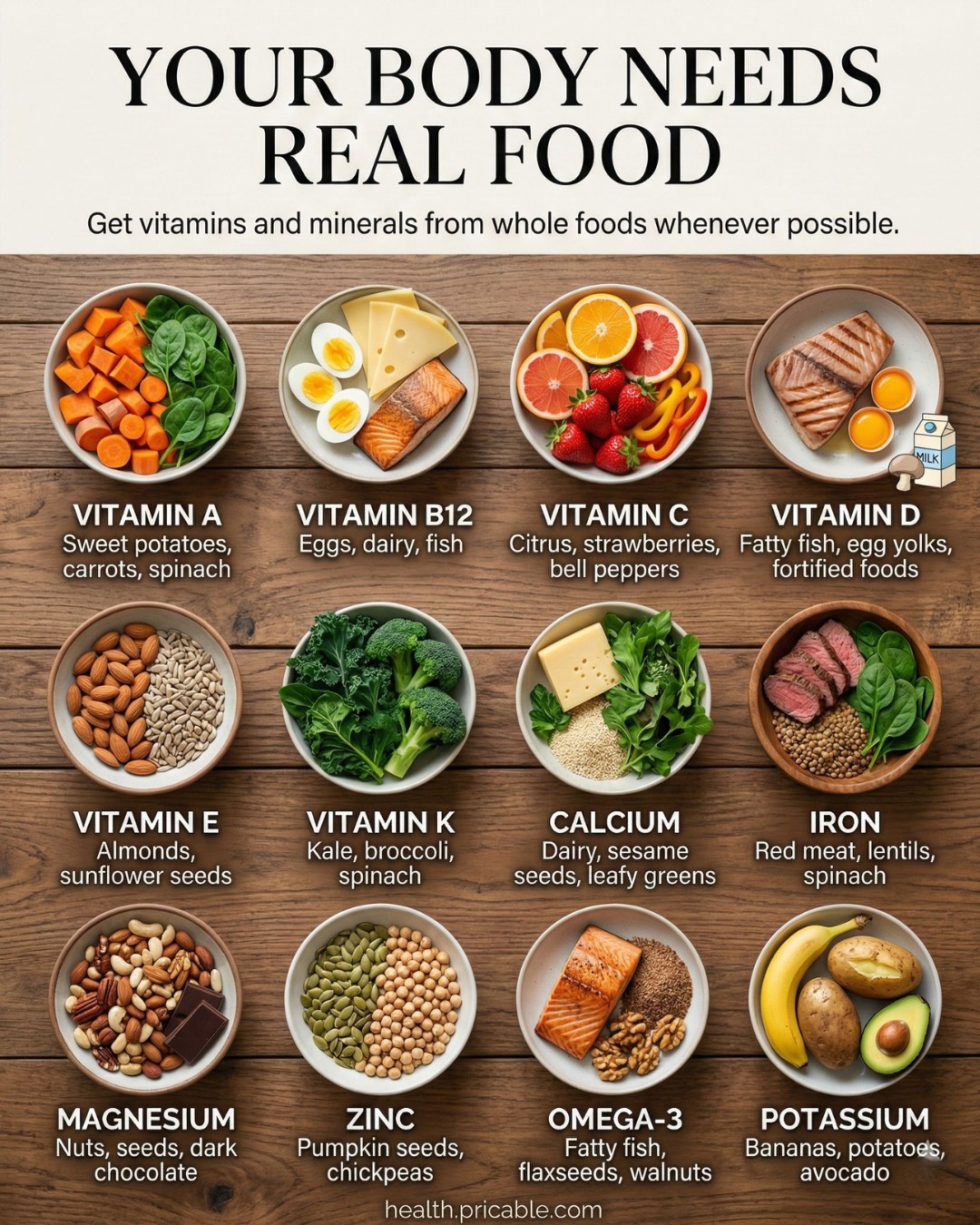
Vitamin A Foods for Vision, Skin, and Immune Support
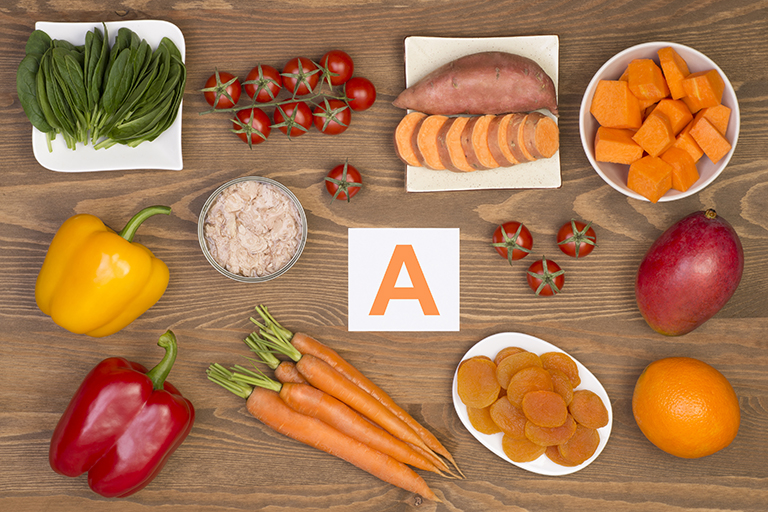
Vitamin A is important for eye health, skin renewal, and immune defense. Orange vegetables like carrots and sweet potatoes are rich in beta-carotene, which your body can convert into vitamin A.
Why these foods help
- Sweet potatoes provide beta-carotene, fiber, and potassium
- Carrots support eye health and skin through carotenoids
- Spinach gives vitamin A along with folate and magnesium
Easy ways to eat them
Roast sweet potatoes, snack on carrots, or add spinach to soups and omelets.
Vitamin B12 Foods for Energy and Nervous System Health
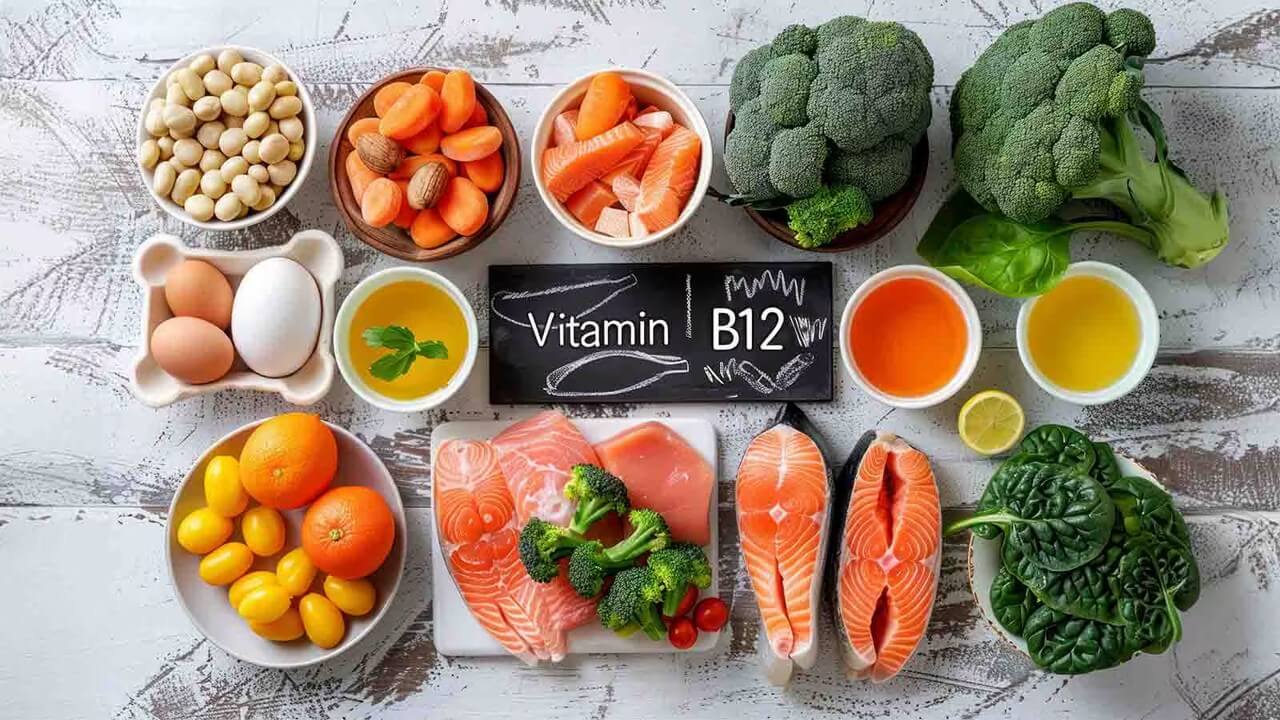
Vitamin B12 supports red blood cell production, nerve function, and energy metabolism. It is found mainly in animal foods, which is why intake needs attention in plant-based diets.
Why these foods help
- Eggs are easy to use daily
- Dairy adds B12 plus calcium and protein
- Fish provides B12 with omega-3 fats and high-quality protein
Easy ways to eat them
Try eggs at breakfast, yogurt as a snack, or fish with vegetables and rice.
Vitamin C Foods for Collagen and Immunity
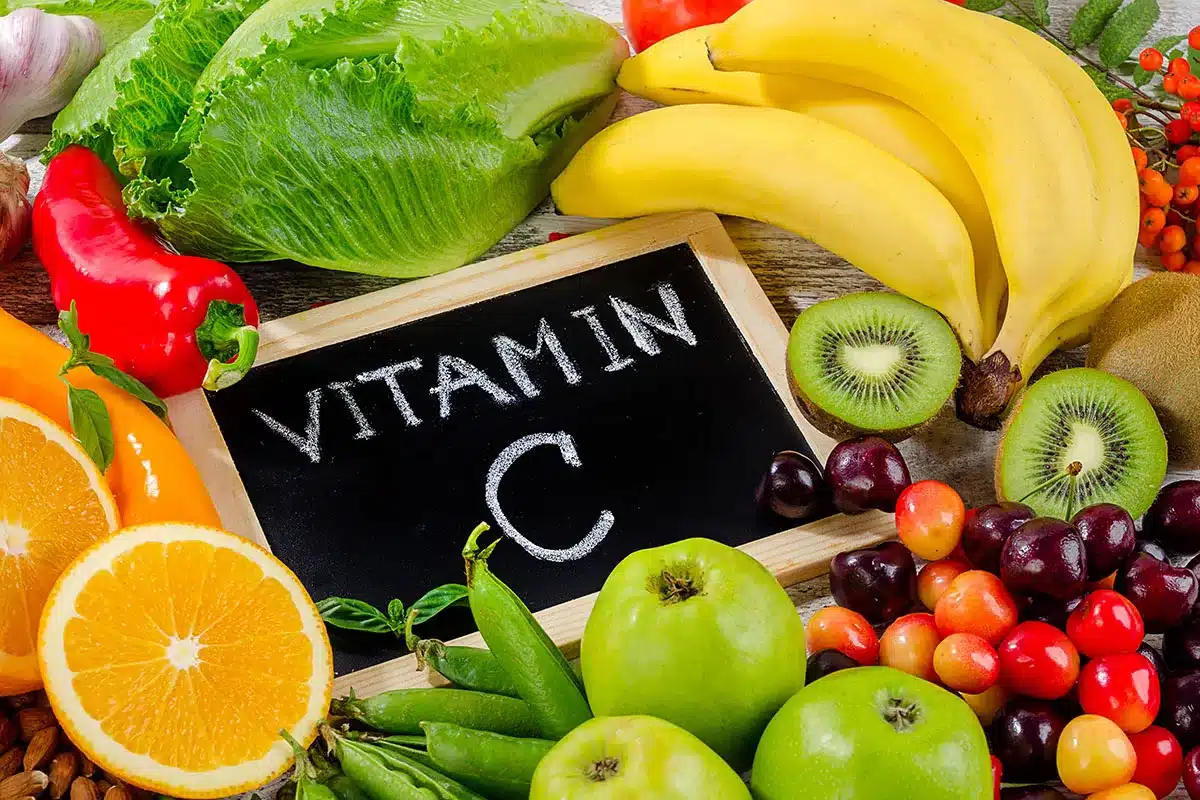
Vitamin C helps with collagen formation, antioxidant defense, and immune support. It also improves iron absorption from plant foods.
Why these foods help
- Citrus fruits are hydrating and rich in vitamin C
- Strawberries add antioxidants and fiber
- Bell peppers are one of the most concentrated food sources of vitamin C
Easy ways to eat them
Add fruit to breakfast and sliced bell peppers to lunch or dinner.
Vitamin D Foods for Bones and Muscle Function
Vitamin D supports bone strength, calcium balance, muscle function, and immune regulation.
Why these foods help
- Fatty fish gives vitamin D plus omega-3 fats
- Egg yolks provide a small but useful amount
- Fortified foods help fill gaps when diet and sunlight are not enough
Easy ways to eat them
Include salmon or sardines weekly, and use fortified milk or yogurt if needed.

Vitamin E Foods for Cell Protection
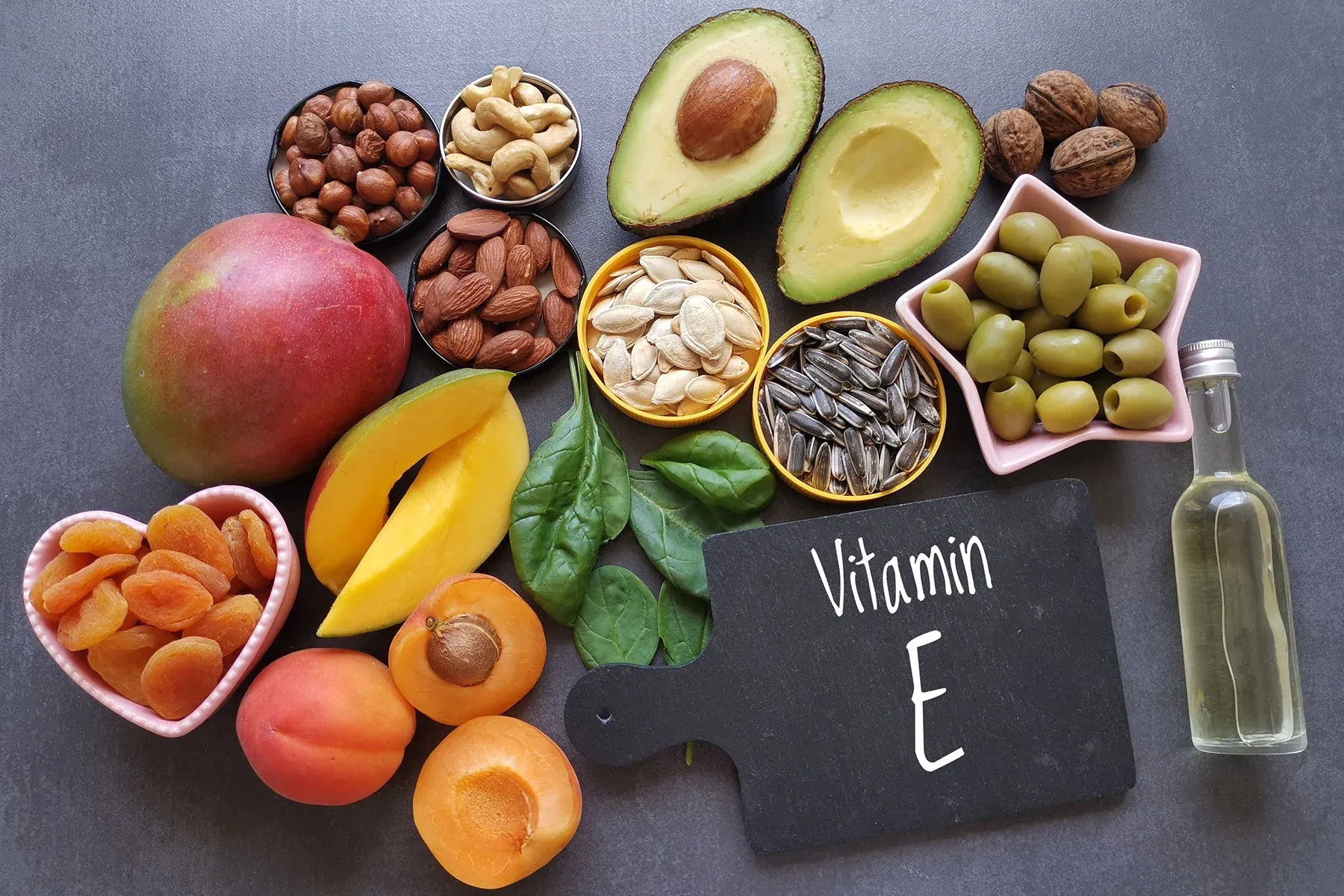
Vitamin E is an antioxidant nutrient that helps protect cells from oxidative stress and supports skin health.
Why these foods help
- Almonds bring vitamin E, healthy fats, and protein
- Sunflower seeds provide vitamin E plus minerals and crunch
Easy ways to eat them
Add them to oatmeal, yogurt, salads, or snack plates.
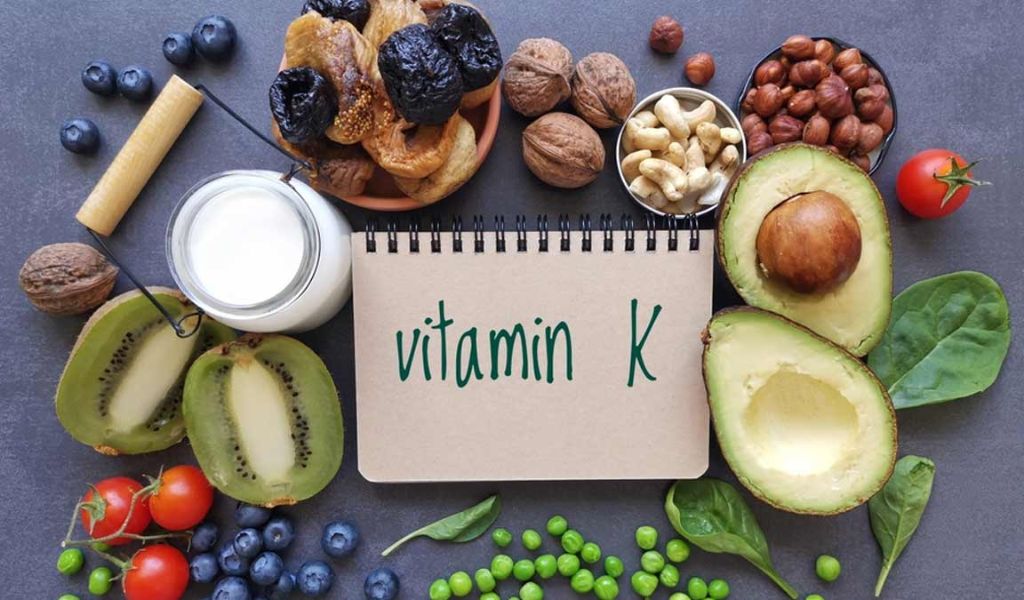
Vitamin K Foods for Blood Clotting and Bone Support
Vitamin K is best known for its role in normal blood clotting and also helps support bone health.
Why these foods help
- Kale is one of the richest vitamin K foods
- Broccoli adds vitamin C and fiber too
- Spinach is versatile and nutrient-dense
Easy ways to eat them
Steam broccoli, sauté kale, or blend spinach into smoothies.
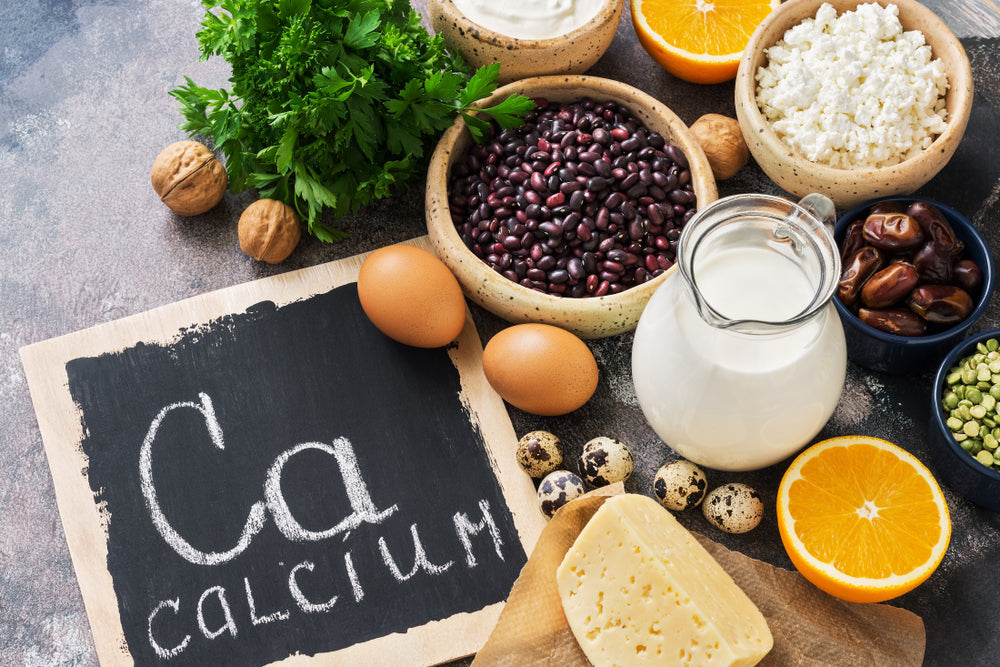
Calcium Foods for Bones and Teeth
Calcium is essential for bones, teeth, muscles, and nerve signaling.
Why these foods help
- Dairy offers a highly absorbable calcium source
- Sesame seeds add calcium in small but useful amounts
- Leafy greens contribute calcium plus other minerals
Easy ways to eat them
Use yogurt, sprinkle sesame on meals, and add greens to soups or bowls.
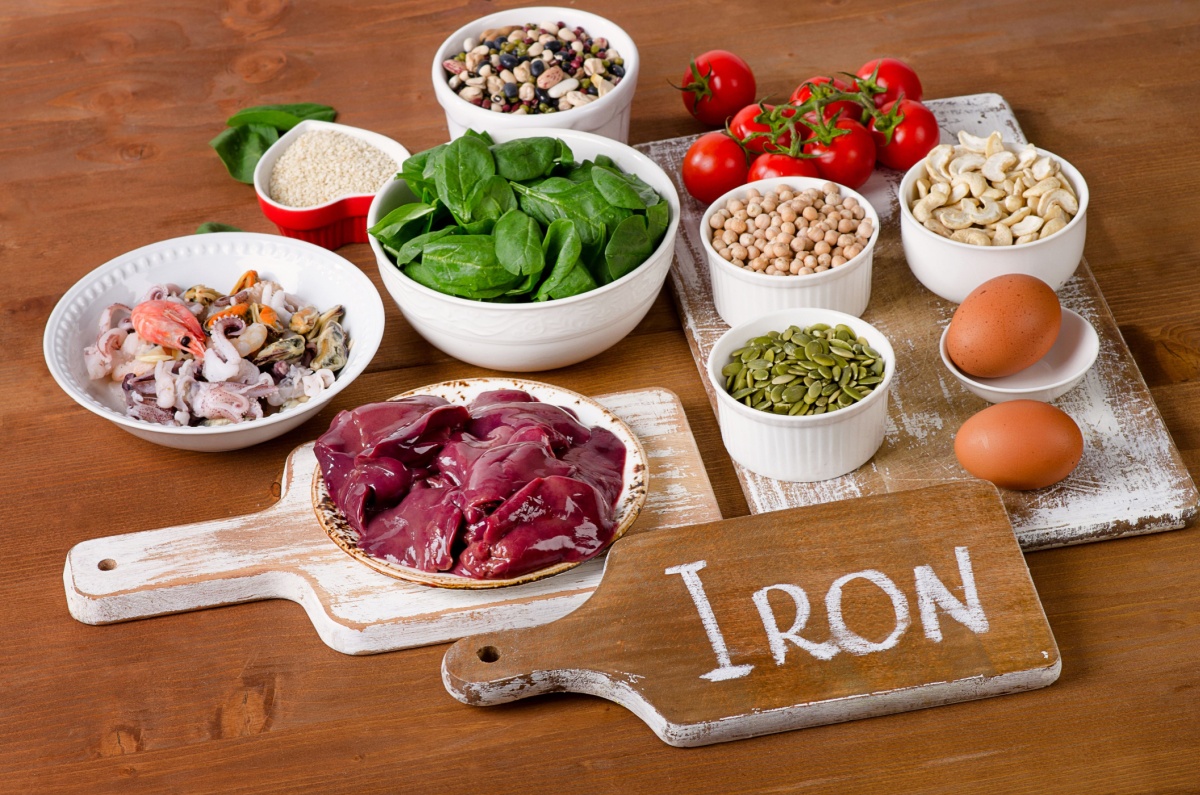
Iron Foods for Oxygen Delivery and Energy
Iron helps carry oxygen through the blood and supports energy production.
Why these foods help
- Red meat contains highly absorbable heme iron
- Lentils provide plant iron plus fiber and protein
- Spinach adds iron along with folate and antioxidants
Easy ways to eat them
Pair lentils or spinach with vitamin C foods like citrus or bell pepper to improve absorption.
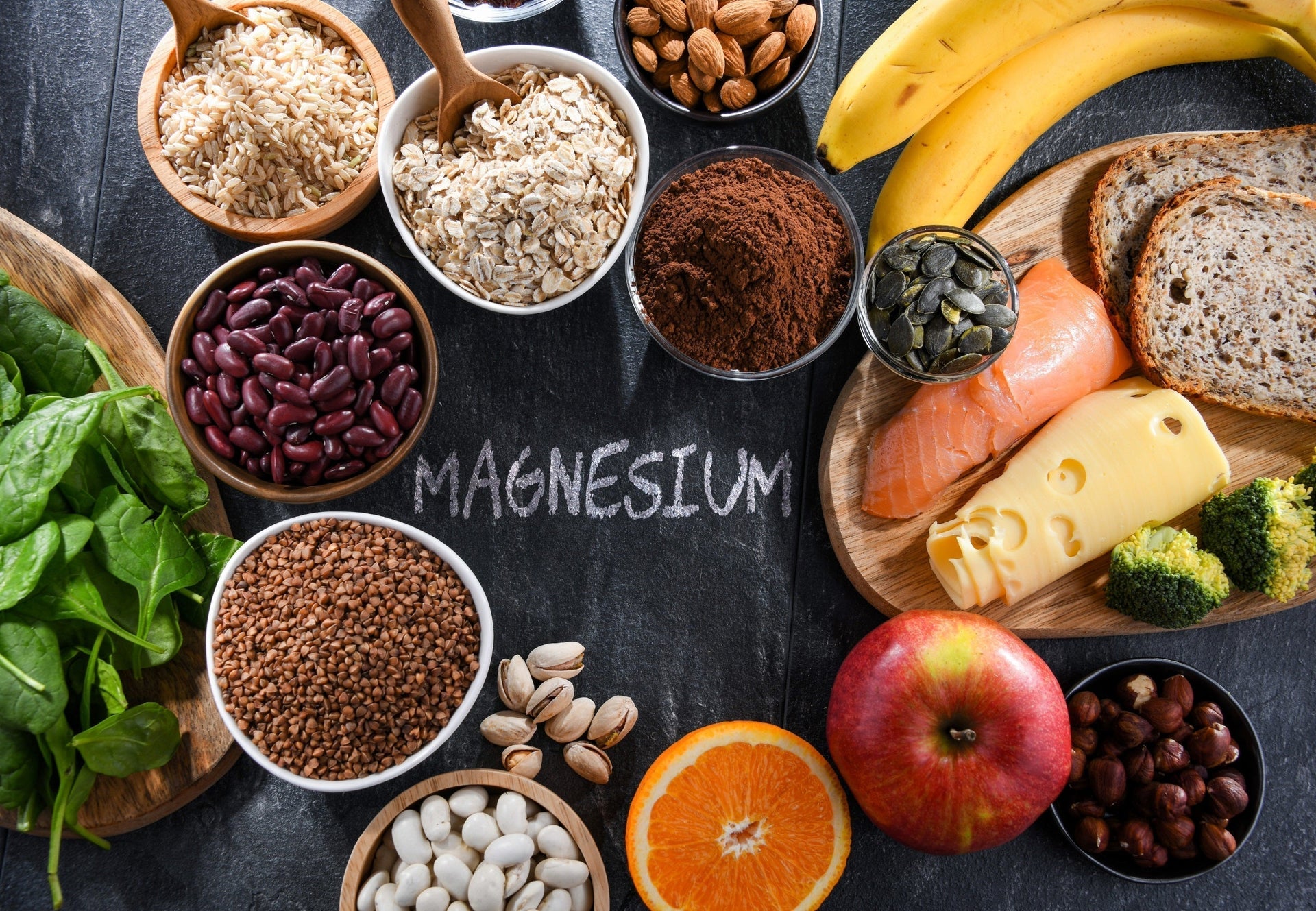
Magnesium Foods for Muscles, Stress, and Sleep
Magnesium supports muscle relaxation, nerve function, sleep quality, and energy metabolism.
Why these foods help
- Nuts add magnesium with healthy fats
- Seeds are compact mineral sources
- Dark chocolate provides magnesium and polyphenols
Easy ways to eat them
A small handful of mixed nuts and seeds can be one of the easiest daily habits to build.
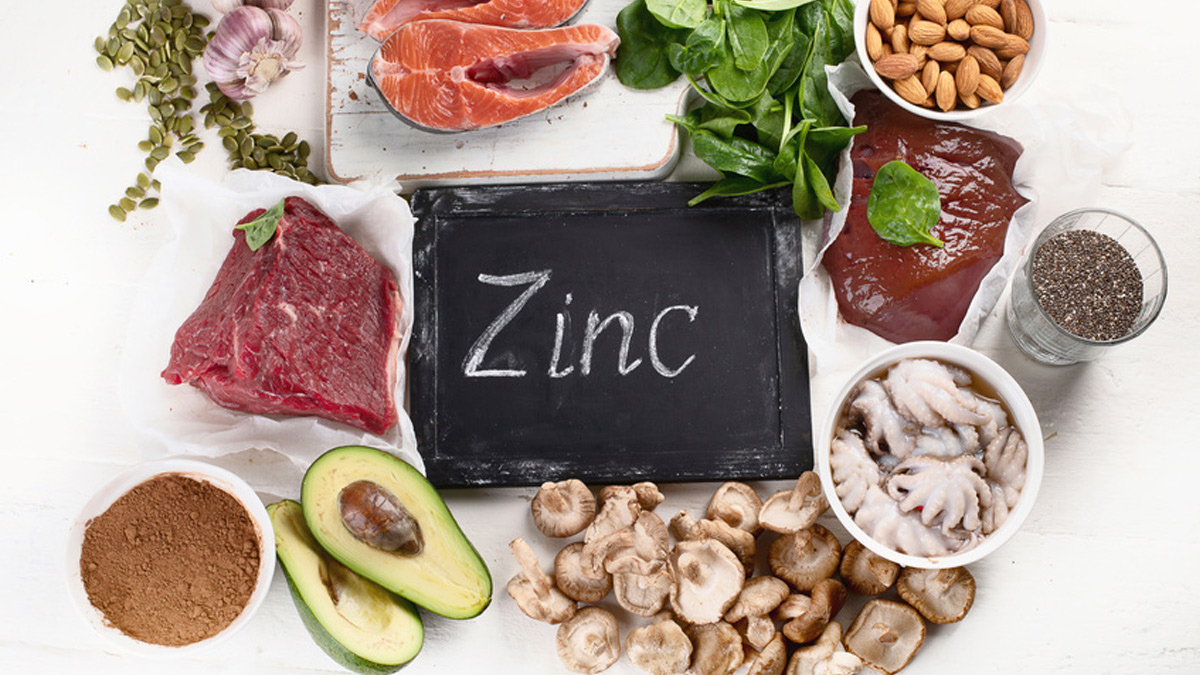
Zinc Foods for Immunity and Repair
Zinc helps with immune function, wound healing, skin health, and hormone balance.
Why these foods help
- Pumpkin seeds are one of the best plant sources of zinc
- Chickpeas add zinc with fiber and protein
Easy ways to eat them
Roast chickpeas for snacks or sprinkle pumpkin seeds over salads and soups.
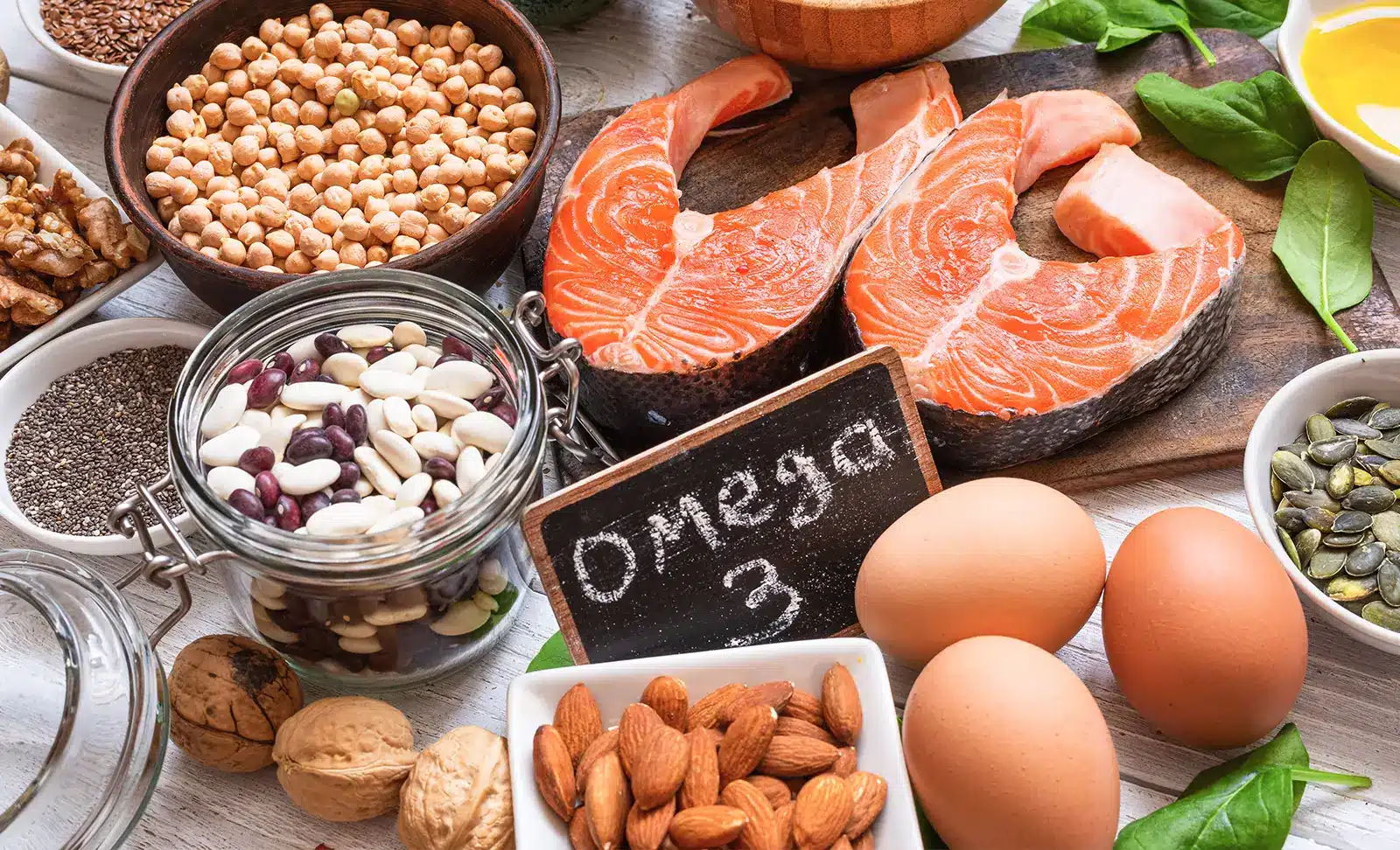
Omega-3 Foods for Heart, Brain, and Inflammation Balance
Omega-3 fats support heart health, brain function, and inflammation balance.
Why these foods help
- Fatty fish provides EPA and DHA
- Flaxseeds offer plant omega-3s and fiber
- Walnuts are an easy snack with healthy fats
Easy ways to eat them
Eat fish a few times a week and add flax or walnuts to breakfast bowls.
Potassium Foods for Fluid Balance and Muscle Function
Potassium helps regulate fluid balance, blood pressure, and muscle contractions.
Why these foods help
- Bananas are portable and easy to digest
- Potatoes are potassium-rich and filling
- Avocado adds potassium with healthy fats
Easy ways to eat them
Use bananas for snacks, potatoes for balanced meals, and avocado for salads or toast.

How to Build a Real-Food Plate
A strong daily plate does not need to be complicated.
Try this simple pattern:
- One protein source
- One colorful vegetable
- One leafy green or cruciferous vegetable
- One whole-food carb or fruit
- One healthy fat source
That is often enough to cover more nutrients naturally.
When You’ll Notice the Difference
- Within days: steadier energy and better fullness
- Within 2 to 4 weeks: better digestion, fewer cravings, more balanced meals
- Long term: stronger nutrition foundation for skin, bones, immunity, and recovery
Final Takeaway
Your body does not just need more supplements.
It needs more real food.
The foods in this image matter because they give you vitamins, minerals, fiber, healthy fats, and supportive compounds in forms your body recognizes and uses well. Start with variety, keep meals simple, and let consistency do the real work.