Understanding the garlic growth stages makes it much easier to plant at the right time, care for your crop properly, and harvest bulbs before they split or shrink. While garlic timing can vary by climate, variety, and planting date, most gardeners follow the same basic pattern from early sprout to full harvest.
In general, the stages can overlap, and garlic often takes about 8 to 9 months from planting to harvest. The timeline below is best used as a practical guide, not a strict calendar.
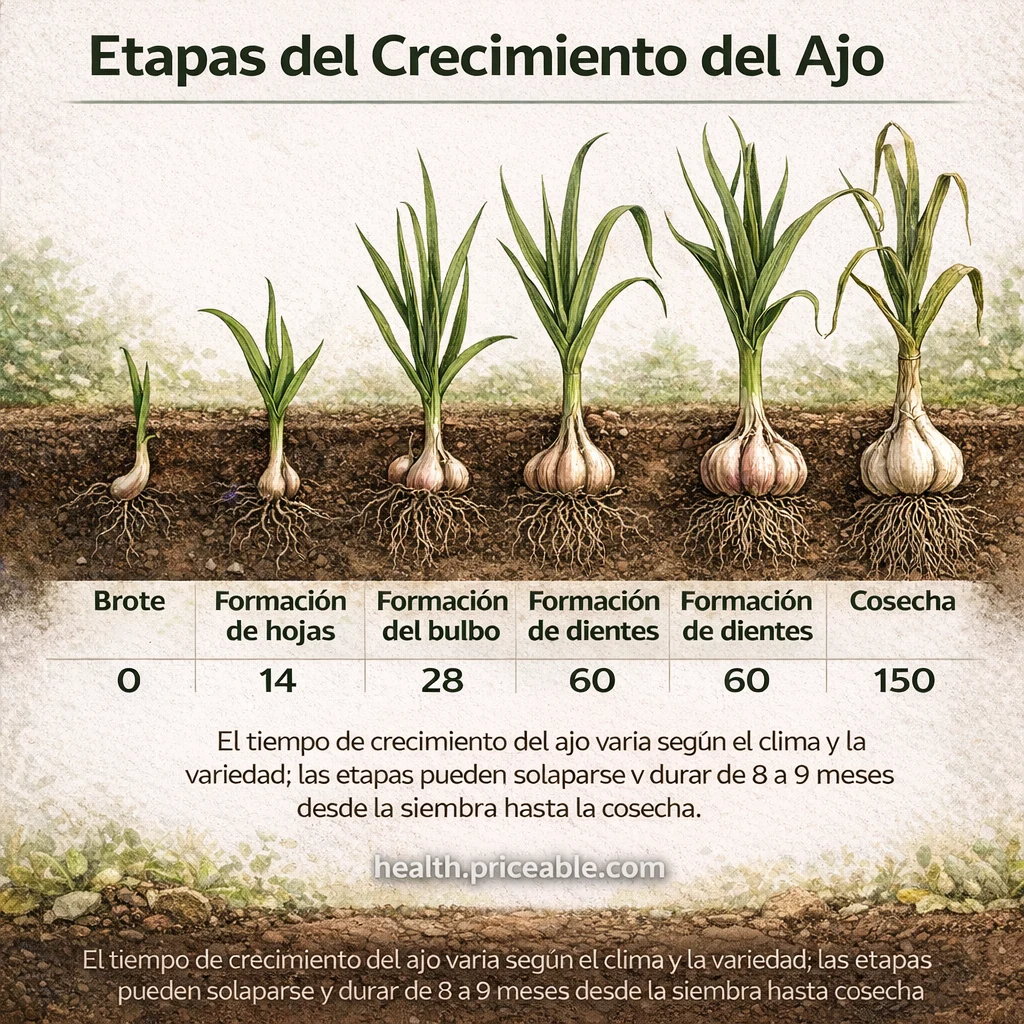
Garlic Growth Stages at a Glance
Garlic usually moves through these visible stages:
1. Sprout stage
This is the first sign of life after planting.
A small green shoot appears above the soil while roots begin spreading underneath. At this point, the clove is focused on establishing itself.
What to look for:
-
A single narrow green shoot
-
White roots forming below the clove
-
Slow but steady early growth
2. Leaf formation
After sprouting, garlic starts building top growth.
More leaves emerge, and the plant begins storing energy it will later use to form the bulb. Healthy leaf growth is one of the biggest predictors of bulb size later on.
What to look for:
-
Multiple upright green leaves
-
Stronger stem base
-
Deeper root development
3. Bulb formation
Once the plant is established, the underground bulb begins swelling.
This is when garlic needs steady moisture, enough sunlight, and loose soil. Stress during this stage can lead to small bulbs.
What to look for:
-
Noticeable thickening at the base
-
Taller, fuller top growth
-
Strong roots anchoring the plant
4. Clove development
As the bulb gets bigger, the individual cloves begin forming inside.
This is one of the most important stages because it determines final bulb quality, storage life, and harvest size.
What to look for:
-
Rounded bulb shape underground
-
Firmer wrapper layers
-
Outer leaves still mostly green
5. Final maturation
The plant slows down as the bulb finishes maturing.
Leaves begin yellowing and drying from the bottom upward. This is normal and is one of the clearest harvest signals.
What to look for:
-
Lower leaves turning brown
-
Top growth starting to flop
-
Bulb wrappers drying and tightening
6. Harvest
Garlic is ready when enough leaves have dried, but not all of them.
If you wait too long, the bulb wrappers may split and the cloves can separate. If you pull too early, bulbs may be small and not fully cured.
Good harvest rule:
Harvest when about one-third to one-half of the leaves have dried, while several upper leaves are still green.
Garlic Growth Timeline by Stage
The exact pace depends on weather and variety, but many gardeners use a rough timeline like this:
-
Day 0: Sprout begins after planting conditions are right
-
Around 2 weeks: Leaf formation becomes more visible
-
Around 4 weeks and beyond: Bulb growth starts building gradually
-
Around 2 months and beyond: Clove development becomes more pronounced
-
About 8 to 9 months total: Harvest window for many fall-planted garlic crops
In colder parts of the U.S., garlic is often planted in fall and harvested in late spring or summer. In warmer regions, timing may shift, but the growth sequence stays largely the same.
How to Grow Garlic Successfully Through Each Stage
Garlic is not difficult, but it responds best to a few basics done well.
Pick the right planting cloves
Start with firm, healthy cloves.
Large cloves usually produce larger bulbs than small ones. Many gardeners get better results with seed garlic rather than random supermarket garlic, especially when they want reliable sizing, better disease resistance, and varieties matched to local growing conditions.
Use loose, well-drained soil
Garlic hates soggy ground.
Choose soil that drains well and is rich in organic matter. Raised beds and deep containers often work well because they reduce the risk of rot and make bulb development easier.
Give it full sun
Garlic grows best with at least 6 to 8 hours of direct sun.
Weak light usually means weak tops, and weak tops usually mean smaller bulbs.
Water consistently
Keep the soil evenly moist, especially during leaf and bulb development.
Do not let the bed stay soaked. A simple watering can, soaker hose, or drip irrigation setup can help keep moisture steady without overwatering.
Feed it at the right time
Garlic benefits from nutrients during active top growth.
A balanced vegetable fertilizer, compost, or nitrogen-forward feeding early in the season can support bigger leaves. Once bulbs are maturing, heavy feeding is less helpful.
Mulch for better results
Mulch helps regulate temperature, suppress weeds, and hold moisture.
Straw is a common option. It is especially useful in colder climates where winter protection matters.
Simple Garlic Care Routine
A simple routine is often enough:
After planting
-
Water the bed lightly
-
Add mulch if needed for winter protection
-
Keep the area weed-free
During active leaf growth
-
Check moisture regularly
-
Feed if the leaves look pale or growth is weak
-
Make sure the plants are getting enough sun
During bulb swelling
-
Keep watering consistent
-
Avoid disturbing the roots
-
Watch for overcrowding and weed competition
Before harvest
-
Reduce watering as the leaves start drying
-
Check a few bulbs if you are unsure about timing
-
Harvest before the wrappers split
Common Mistakes That Lead to Small or Poor Garlic Bulbs
Even healthy-looking garlic can underperform if one of these issues shows up.
Planting tiny cloves
Small planting cloves often produce smaller harvest bulbs.
Fix: Choose the biggest, healthiest cloves for planting.
Using compacted or soggy soil
Poor drainage can cause rot and slow bulb growth.
Fix: Improve the soil with compost, or use a raised bed or fabric grow bag.
Too much shade
Garlic needs strong light for strong growth.
Fix: Move future plantings to a sunnier spot.
Inconsistent watering
Dry spells followed by heavy watering can stress the plant.
Fix: Aim for even moisture, especially during bulb formation.
Waiting too long to harvest
Overmature garlic can split underground.
Fix: Start checking when lower leaves begin browning.
Buying the wrong garlic for planting
Some store garlic is treated, old, or poorly suited to your climate.
Fix: Look for firm seed garlic, labeled hardneck or softneck, depending on your region and storage goals.
Garlic Buying Guide: What to Look for Before You Plant
If you want better results, a few buying choices make a real difference.
Best option for planting
Look for:
-
Large, firm bulbs
-
Cloves with no mold or soft spots
-
Variety labels such as hardneck or softneck
-
Seed garlic from a garden center, nursery, or trusted online supplier
Good products that can help
Depending on your setup, these may be worth comparing:
-
Raised bed kits
-
Organic compost or garden soil mix
-
Vegetable fertilizer
-
Straw mulch
-
Soaker hose or drip irrigation kit
-
Deep containers for patio growing
-
Garden fork for harvest
-
Mesh drying rack or curing tray
Price range to expect
Prices vary by region and season, but seed garlic usually costs more than grocery garlic because it is selected for planting quality.
Paying a little more for healthy planting stock often makes sense if your goal is bigger bulbs, better storage, and fewer problems.
Brand-free checklist
Before buying, ask:
-
Is it sold specifically for planting?
-
Does it look firm and disease-free?
-
Is it a good match for my climate?
-
Will I grow in beds, rows, or containers?
-
Do I also need mulch, fertilizer, or irrigation supplies?
When to Harvest Garlic
Garlic is usually ready when several lower leaves have dried and the upper leaves are still partly green.
Do not wait until the whole plant is brown. At that point, the wrappers may already be too far gone.
To harvest:
-
Loosen the soil gently with a fork
-
Lift the bulbs instead of pulling hard on the stalk
-
Brush off excess soil
-
Cure in a dry, shaded, well-ventilated place for 2 to 3 weeks
Once cured, trim the roots and stalks if desired, then store in a cool, dry place.
Safety and Storage Note
Do not wash freshly harvested garlic for storage unless needed, and do not cure it in direct sun.
If you are planting garlic from an unknown source, check that it has not been treated in a way that makes it unsuitable for growing. Any bulb that feels soft, moldy, or rotten should be discarded.
FAQ
How long does garlic take to grow?
In many home gardens, garlic takes about 8 to 9 months from planting to harvest, though local climate and variety can change the schedule.
What are the main garlic growth stages?
The main stages are sprouting, leaf formation, bulb formation, clove development, maturation, and harvest.
Why is my garlic growing leaves but no big bulb?
This usually points to one or more issues such as too much shade, small planting cloves, poor soil, or inconsistent watering.
When should I stop watering garlic?
As the plant nears harvest and lower leaves start drying, reduce watering so the bulbs can finish maturing and cure more cleanly.
Can I grow garlic in containers?
Yes, as long as the container is deep enough, drains well, and gets full sun. A quality potting mix and regular watering matter even more in containers.
Is supermarket garlic okay for planting?
It can grow, but it is often less predictable. Seed garlic is usually a better choice if you want strong performance, bigger bulbs, and better disease resistance.
How do I know when garlic is ready to harvest?
A good sign is when about one-third to one-half of the leaves have dried while some upper leaves are still green.
What type of garlic should I buy?
Hardneck garlic is often preferred in colder climates and is known for strong flavor. Softneck garlic usually stores longer and is popular in warmer regions.
Final Thoughts
Once you understand the garlic growth stages, the whole process becomes much easier to manage. Focus on healthy planting cloves, full sun, loose soil, steady moisture, and good harvest timing.
Garlic does not need constant attention, but it does reward the right setup. If you are planning a new bed or comparing supplies, start with the basics that affect bulb size most: quality seed garlic, drainage, sunlight, and watering control.