Anti-inflammatory foods have gained attention because chronic inflammation is linked with many long-term health conditions, including heart disease, metabolic disorders, and joint discomfort.
Inflammation itself is a natural immune response that helps the body repair tissue and fight infections. However, when inflammation becomes chronic or persistent, it may place stress on the body over time.
Certain anti-inflammatory foods contain nutrients such as omega-3 fatty acids, antioxidants, polyphenols, and plant compounds that may help support the body’s natural ability to regulate inflammation.
The foods ranked below are commonly recognized for their potential anti-inflammatory properties.
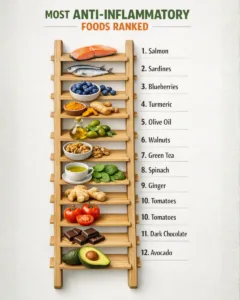
1. Salmon – Omega-3 Rich Fish
Salmon is often considered one of the most anti-inflammatory foods because it contains high levels of omega-3 fatty acids, particularly EPA and DHA.
Research suggests omega-3 fats may help support the body’s regulation of inflammatory pathways.
Salmon also provides:
-
high-quality protein
-
vitamin D
-
selenium
Eating fatty fish two to three times per week is commonly recommended in many nutrition guidelines.
2. Sardines – Small Fish With Powerful Nutrients
Sardines are another excellent source of omega-3 fatty acids.
Because sardines are small fish lower on the food chain, they also tend to accumulate fewer environmental contaminants compared with larger fish.
In addition to omega-3 fats, sardines contain:
-
calcium
-
vitamin B12
-
protein
3. Blueberries – Antioxidant-Rich Berries
Blueberries contain plant compounds called anthocyanins, which act as antioxidants.
Antioxidants help neutralize free radicals, molecules that can contribute to cellular stress and inflammation.
Regular consumption of berries has been associated with improved markers of metabolic and cardiovascular health in several observational studies.
4. Turmeric – Curcumin Spice
Turmeric contains a compound called curcumin, which has been widely studied for its potential anti-inflammatory effects.
Curcumin appears to interact with several biological pathways involved in inflammation.
Turmeric is commonly used in:
-
curries
-
soups
-
teas
-
golden milk drinks
Combining turmeric with black pepper may increase curcumin absorption.
5. Olive Oil – Polyphenol-Rich Fat
Extra virgin olive oil is a key component of the Mediterranean diet, which has been associated with reduced inflammation and improved heart health.
Olive oil contains:
-
monounsaturated fats
-
polyphenols
-
antioxidants
One compound found in olive oil, oleocanthal, has been shown to have anti-inflammatory activity in laboratory studies.
6. Walnuts – Omega-3 Nuts
Walnuts are one of the few nuts that contain meaningful amounts of plant-based omega-3 fatty acids (ALA).
They also provide:
-
fiber
-
magnesium
-
polyphenols
Regular nut consumption has been associated with improved heart health and reduced inflammatory markers in some studies.
7. Green Tea – Catechin-Rich Beverage
Green tea contains powerful antioxidants known as catechins, particularly EGCG (epigallocatechin gallate).
These compounds have been studied for their potential role in reducing oxidative stress and supporting metabolic health.
Drinking green tea regularly may provide a gentle anti-inflammatory effect over time.
8. Spinach – Antioxidant Leafy Greens
Spinach is rich in vitamins, minerals, and plant compounds such as lutein and beta-carotene.
Leafy greens are widely recommended in healthy dietary patterns because they provide nutrients while remaining relatively low in calories.
9. Ginger – Traditional Anti-Inflammatory Root
Ginger has been used in traditional medicine systems for centuries.
Compounds found in ginger, including gingerols and shogaols, may help influence pathways involved in inflammation.
Ginger is often consumed as:
-
fresh ginger tea
-
grated spice in cooking
-
ginger powder in beverages
10. Tomatoes – Lycopene-Rich Fruit
Tomatoes contain lycopene, a carotenoid antioxidant that gives tomatoes their red color.
Lycopene has been studied for its potential role in supporting cardiovascular health and reducing oxidative stress.
Cooking tomatoes may actually increase lycopene availability.
11. Dark Chocolate – Cocoa Antioxidants
Dark chocolate with high cocoa content contains flavonoids, which are plant compounds linked to antioxidant activity.
Moderate consumption of dark chocolate may support vascular health.
However, choosing chocolate with 70% cocoa or higher typically provides more beneficial compounds and less added sugar.
12. Avocado – Healthy Fats and Nutrients
Avocados contain monounsaturated fats along with fiber, potassium, and antioxidants.
These nutrients may support heart health and help reduce markers associated with inflammation.
Avocados are also very versatile and can be used in:
-
salads
-
toast
-
smoothies
-
dips like guacamole
Why Diet Plays a Role in Inflammation
Inflammation is influenced by many factors, including genetics, stress levels, sleep, and lifestyle habits.
Dietary patterns that emphasize whole foods, vegetables, fruits, healthy fats, and omega-3 rich foods are often associated with lower inflammatory markers.
Rather than focusing on one specific “superfood,” experts usually recommend building meals around a variety of nutrient-dense foods.
Building an Anti-Inflammatory Eating Pattern
A practical approach to supporting the body’s inflammatory balance may include:
-
eating fatty fish regularly
-
incorporating nuts and seeds
-
choosing olive oil as a primary cooking fat
-
including fruits and vegetables in most meals
-
drinking beverages like green tea
These habits align with dietary patterns such as the Mediterranean diet, which has been widely studied for its health benefits.
Final Thoughts
No single food can eliminate inflammation on its own.
However, foods rich in omega-3 fatty acids, antioxidants, and polyphenols may help support the body’s natural ability to regulate inflammatory processes.
Including a variety of these foods in a balanced diet can contribute to overall health and long-term well-being.